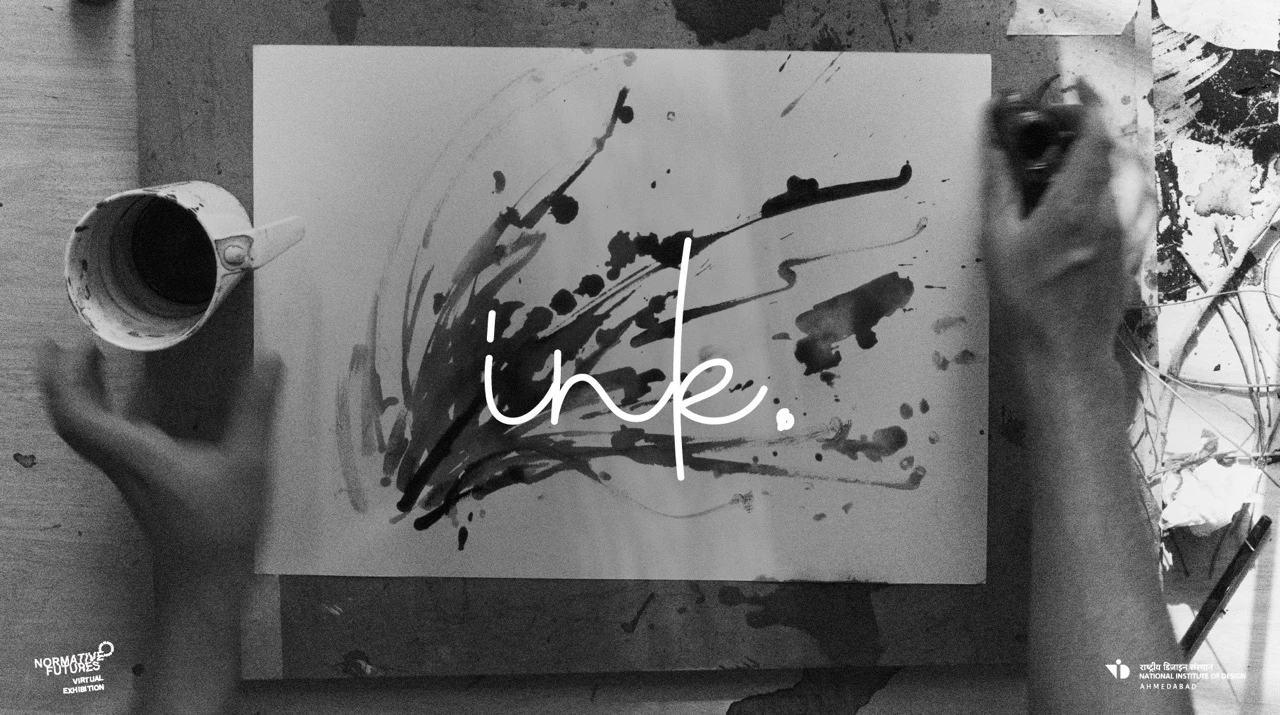
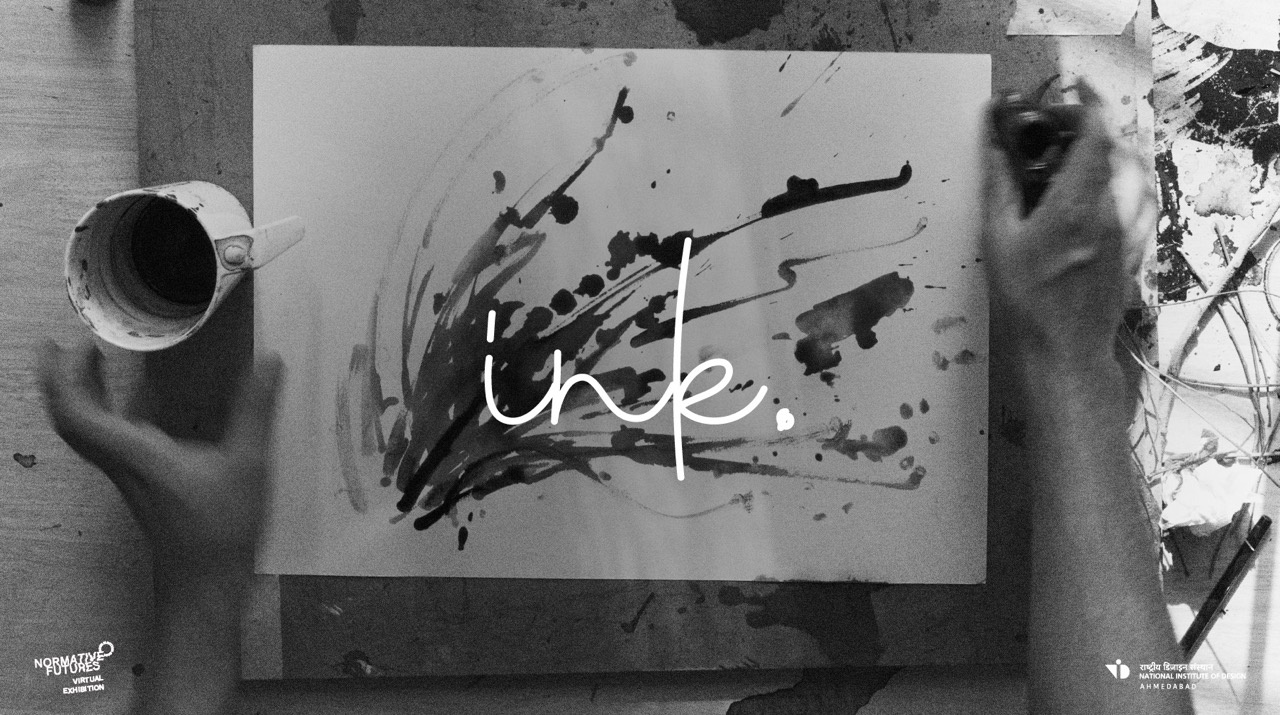
Ink. (freedom)
DIR. AMAL ZEN
DIRECTOR | CINEMATOGRAPHER | EDITOR | PERFORMER
2021 — Live Action · Mixed Media · 2.37:1 Widescreen
2021
Mindful Hands was a week-long elective at NID in the middle of a busy semester. With no assignments, no deliverables, and no pressure to produce conventional outcomes, it was an invitation to slow down and work with the hands. Ink. (freedom) came out of that quiet rhythm—a spontaneous film shot in a single sitting, capturing the visceral sensation of mark-making without rules.
The Core Inquiry
What happens when you let go of deliverables, quiet the critical mind, and let your hands lead?
Mindful Hands was an open elective slotted right into the center of a demanding academic semester at NID. There were no client briefs, no performance rubrics, and no pressure to produce polished deliverables. The starting prompt was completely open-ended: step outside, pay attention to the environment, collect whatever catches the eye, and respond with your hands.
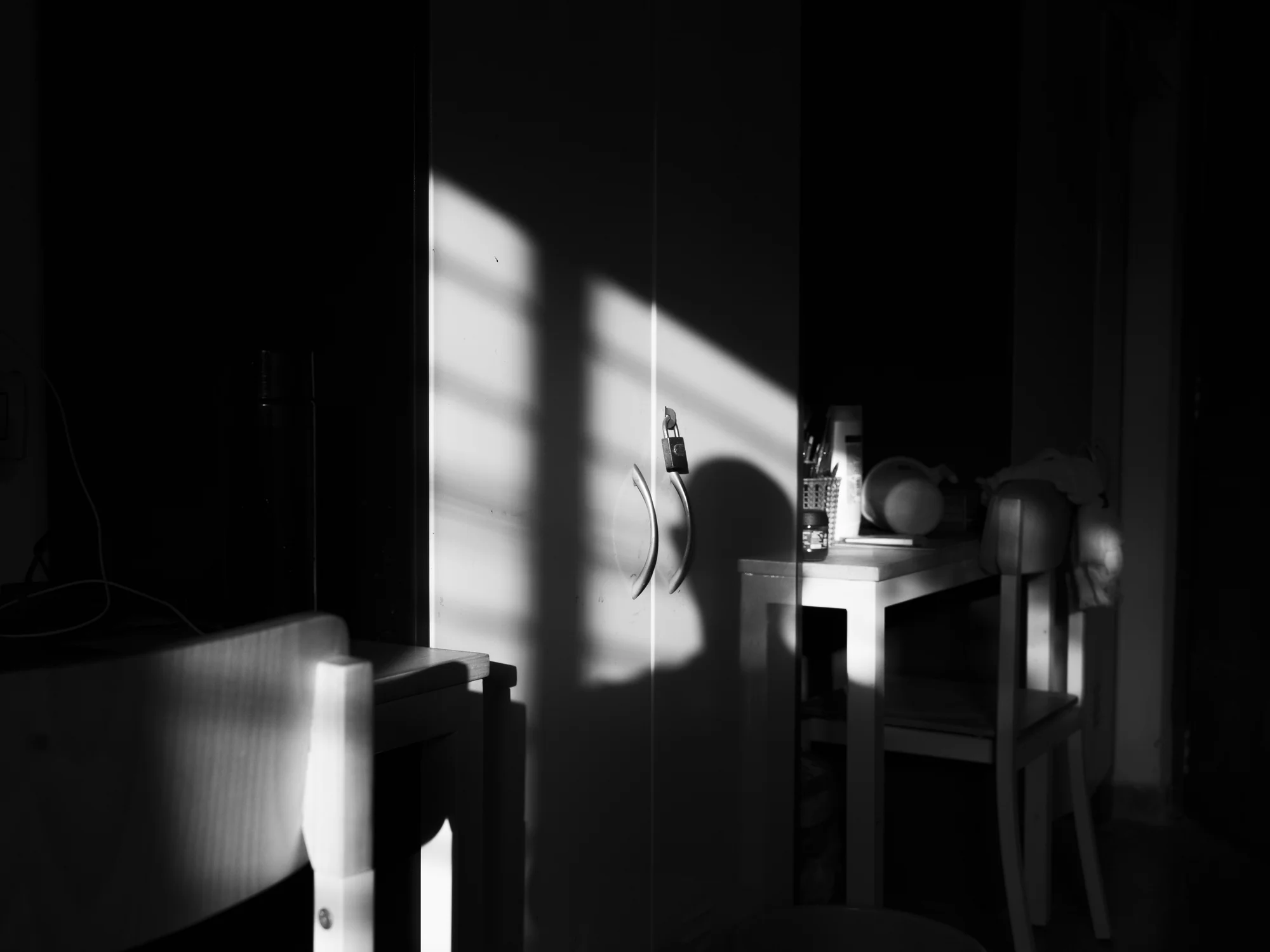
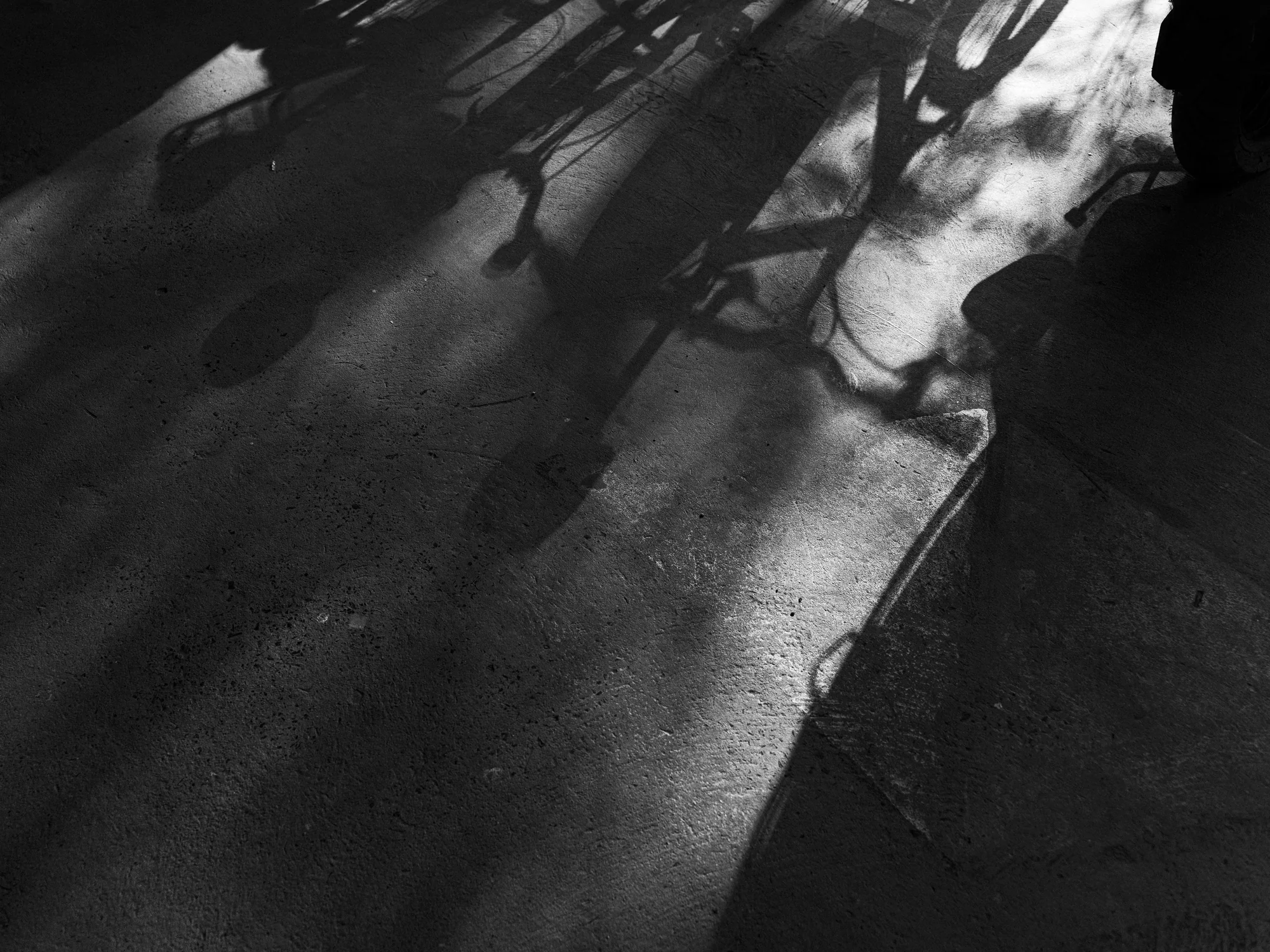
At the time, I was caught up in the constant hustle of college submissions, questioning how much of that everyday anxiety was truly necessary. I walked around the campus with an open mind, observing the quiet courtyards, the rhythm of red brick architecture, the movement of sunlight through tree canopies, and birds circling overhead. Taking these photos was the first step toward slowing down and being present in a distraction-free space.
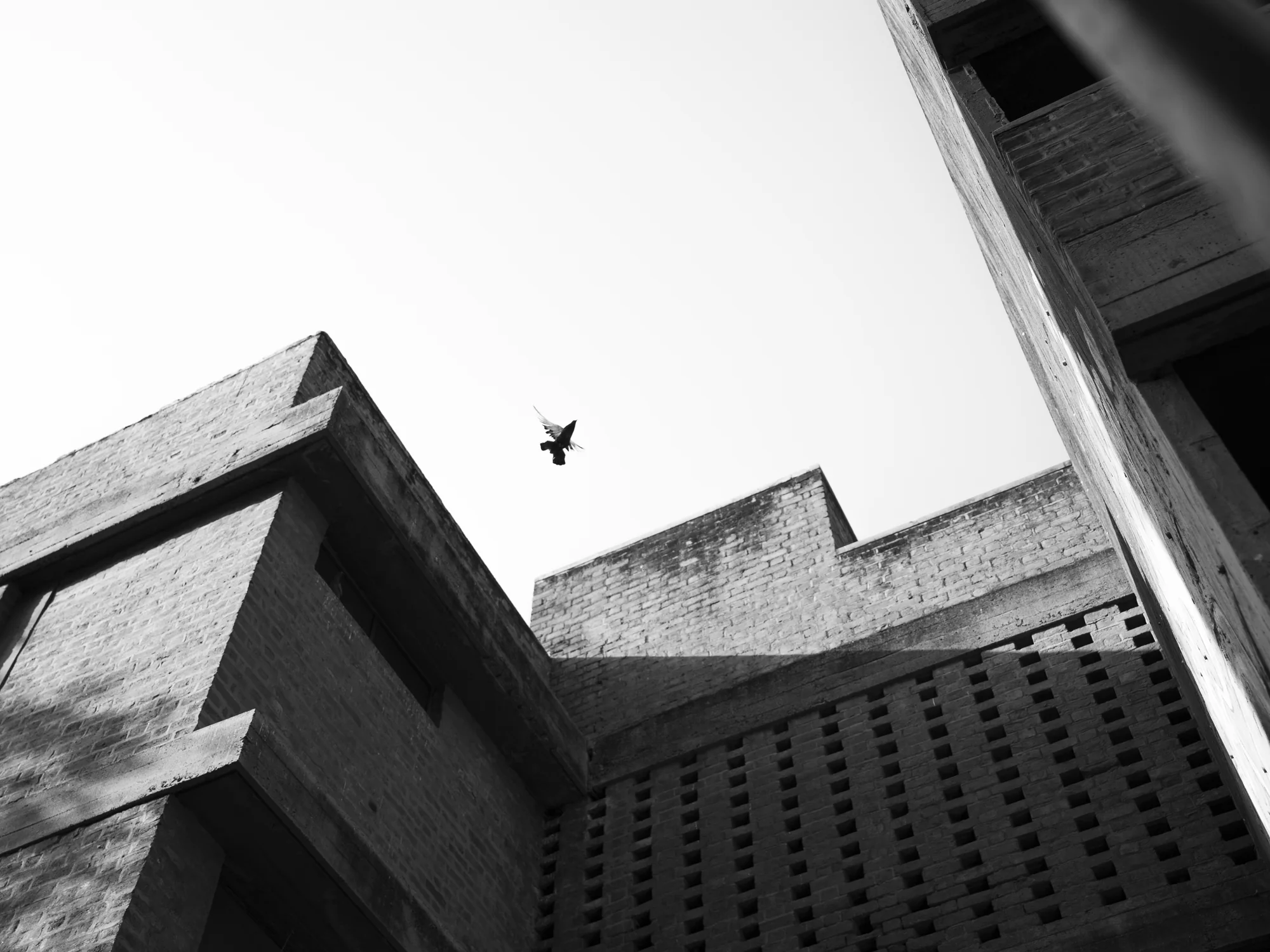
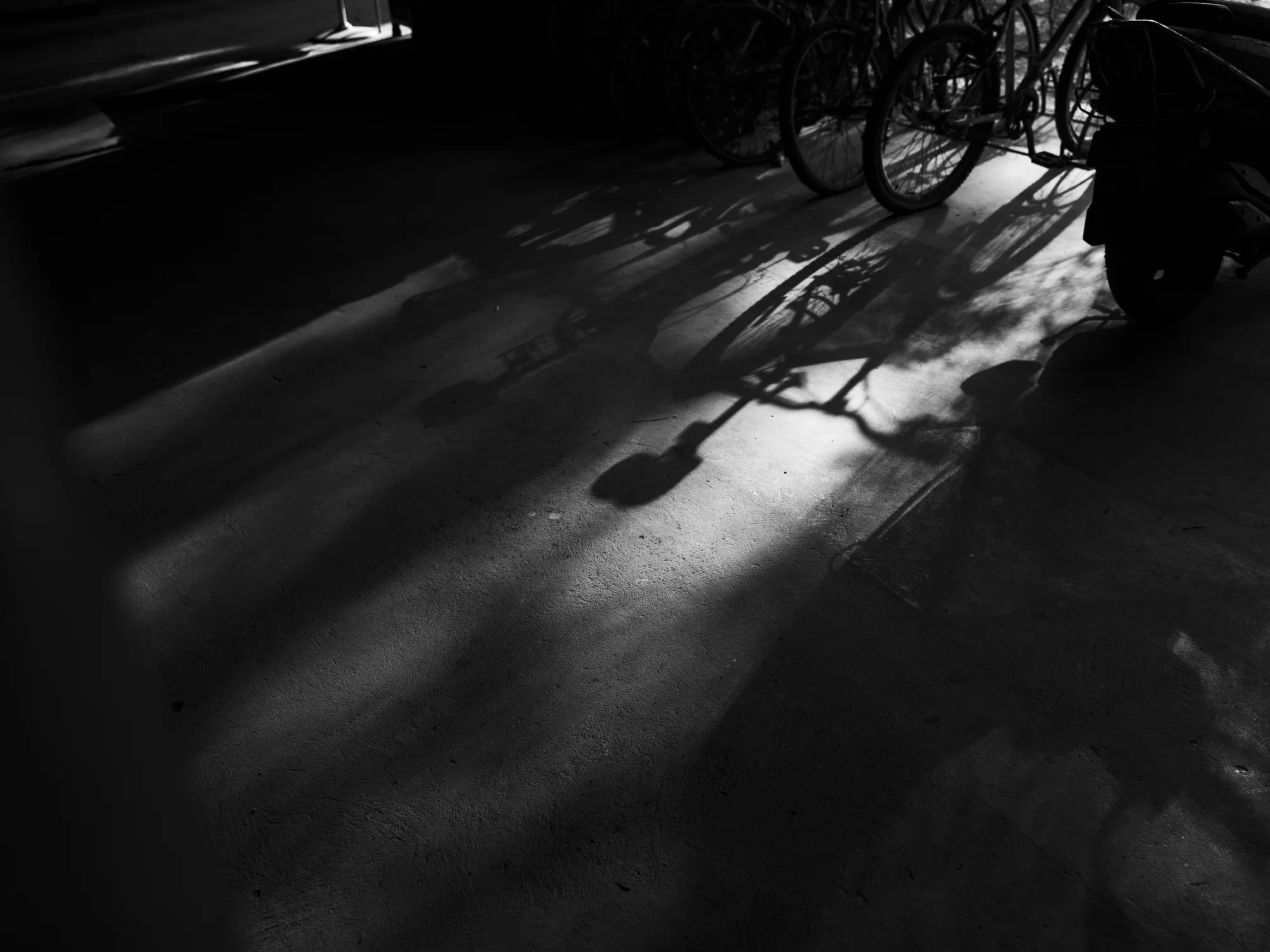
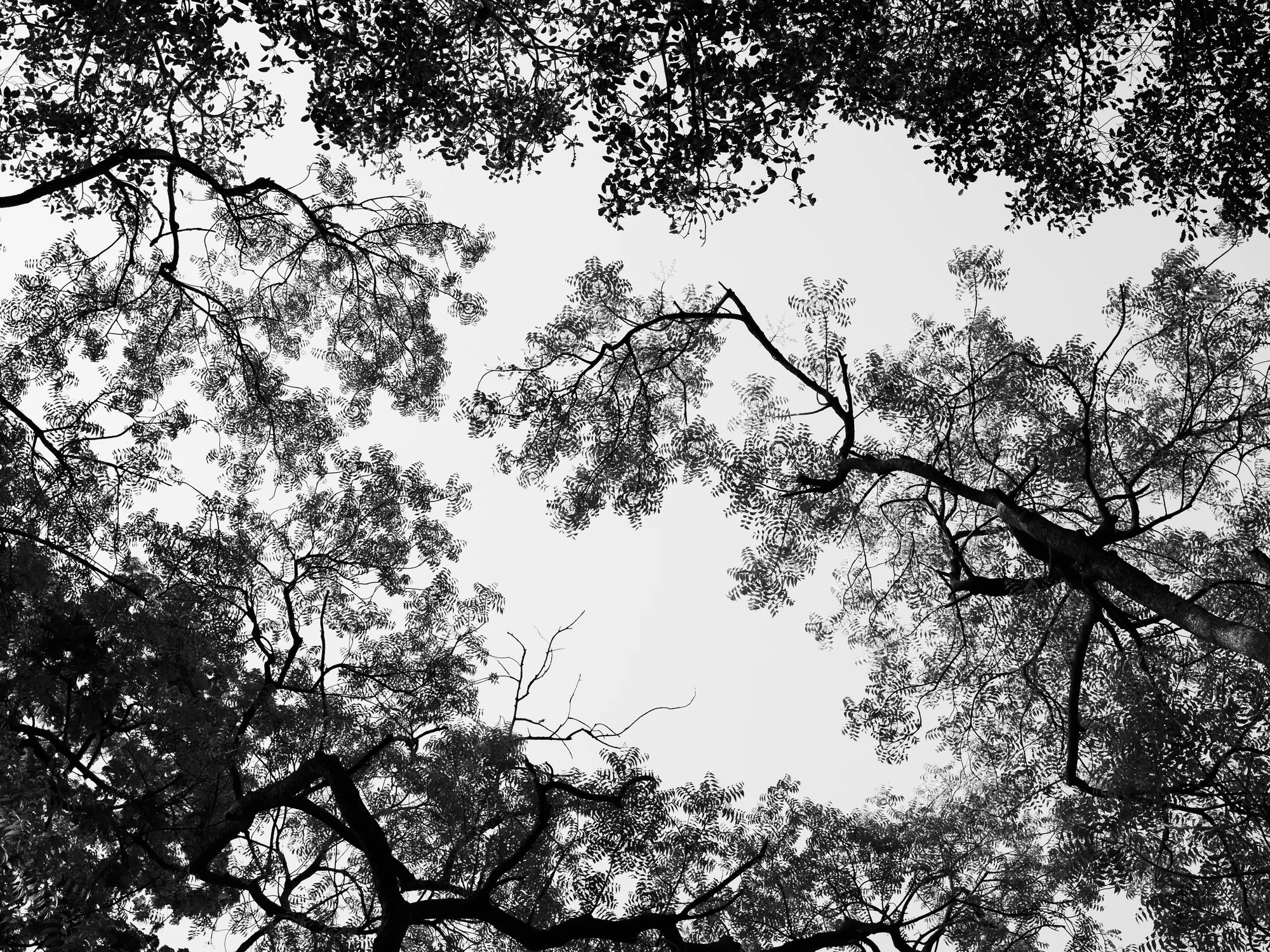
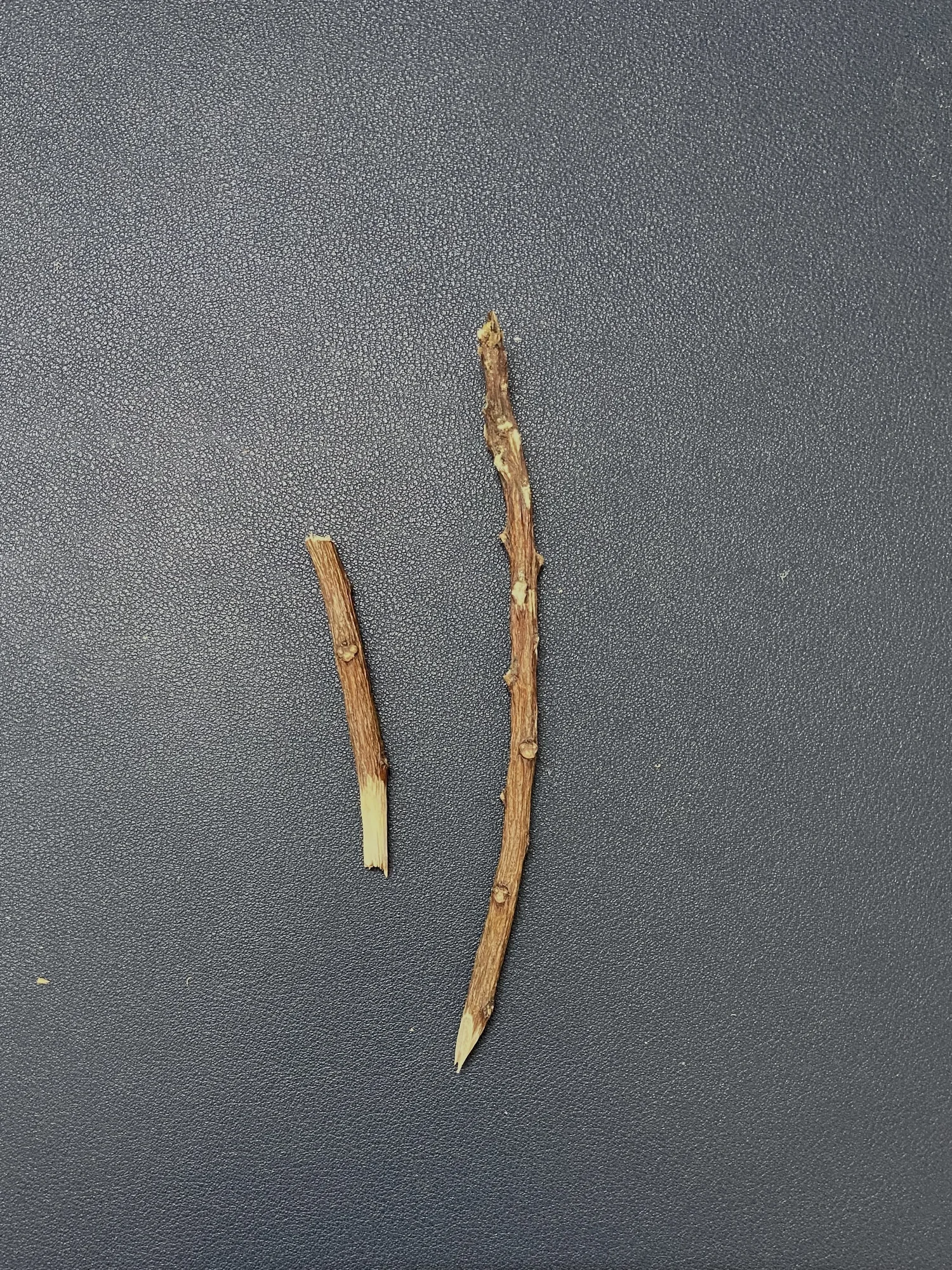
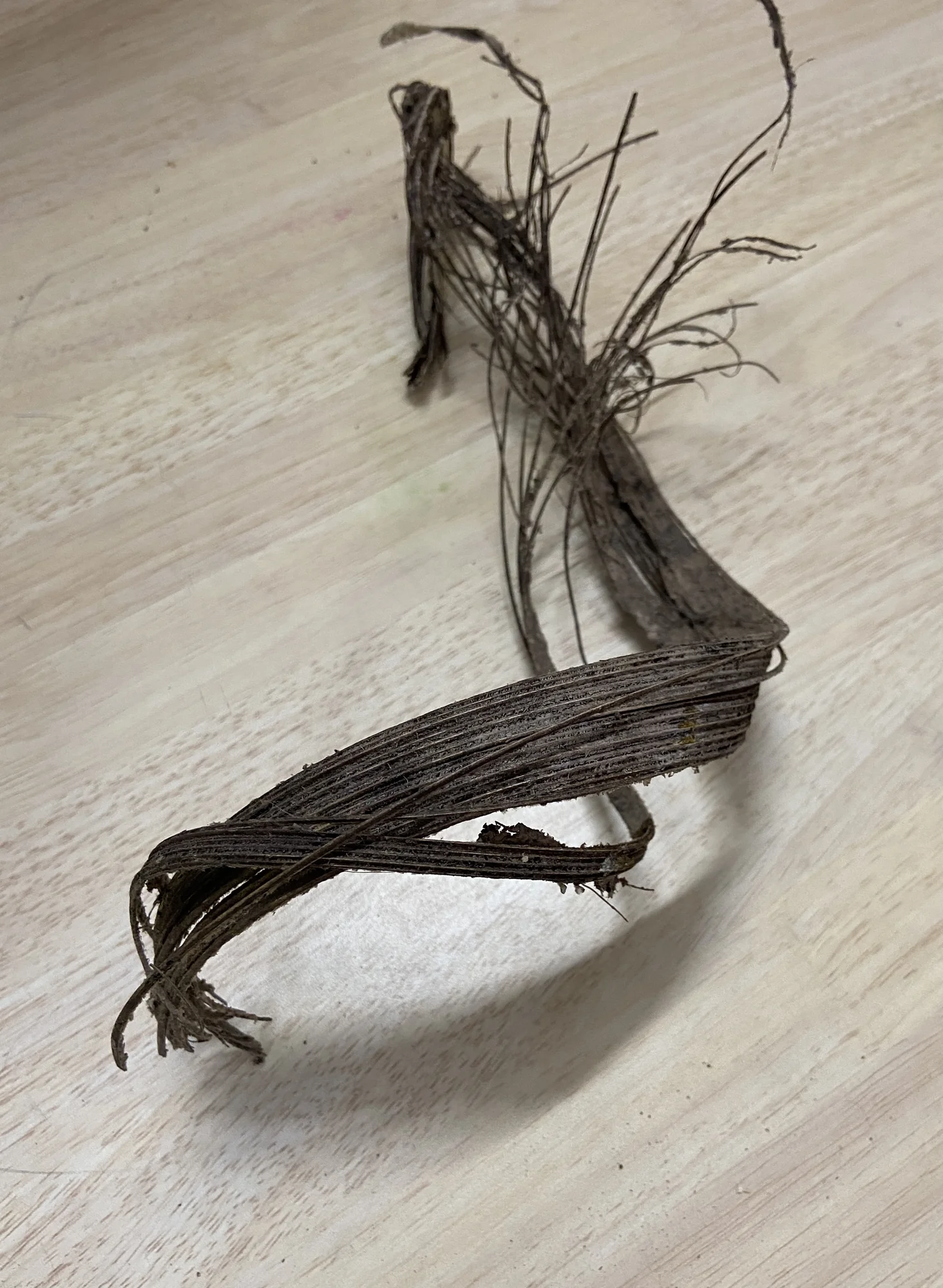
During my walks, I avoided gathering with an agenda. Instead of looking for specific items, I collected whatever natural debris had fallen to the ground: dry neem twigs of varying thicknesses, brittle foliage, curled bark strips, string, and seed pods.
Bringing these back to the desk was an exercise in tactile grounding. Without tools, rulers, or paper cutters, the only constraint was the inherent curvature, brittleness, and texture of what nature had discarded.
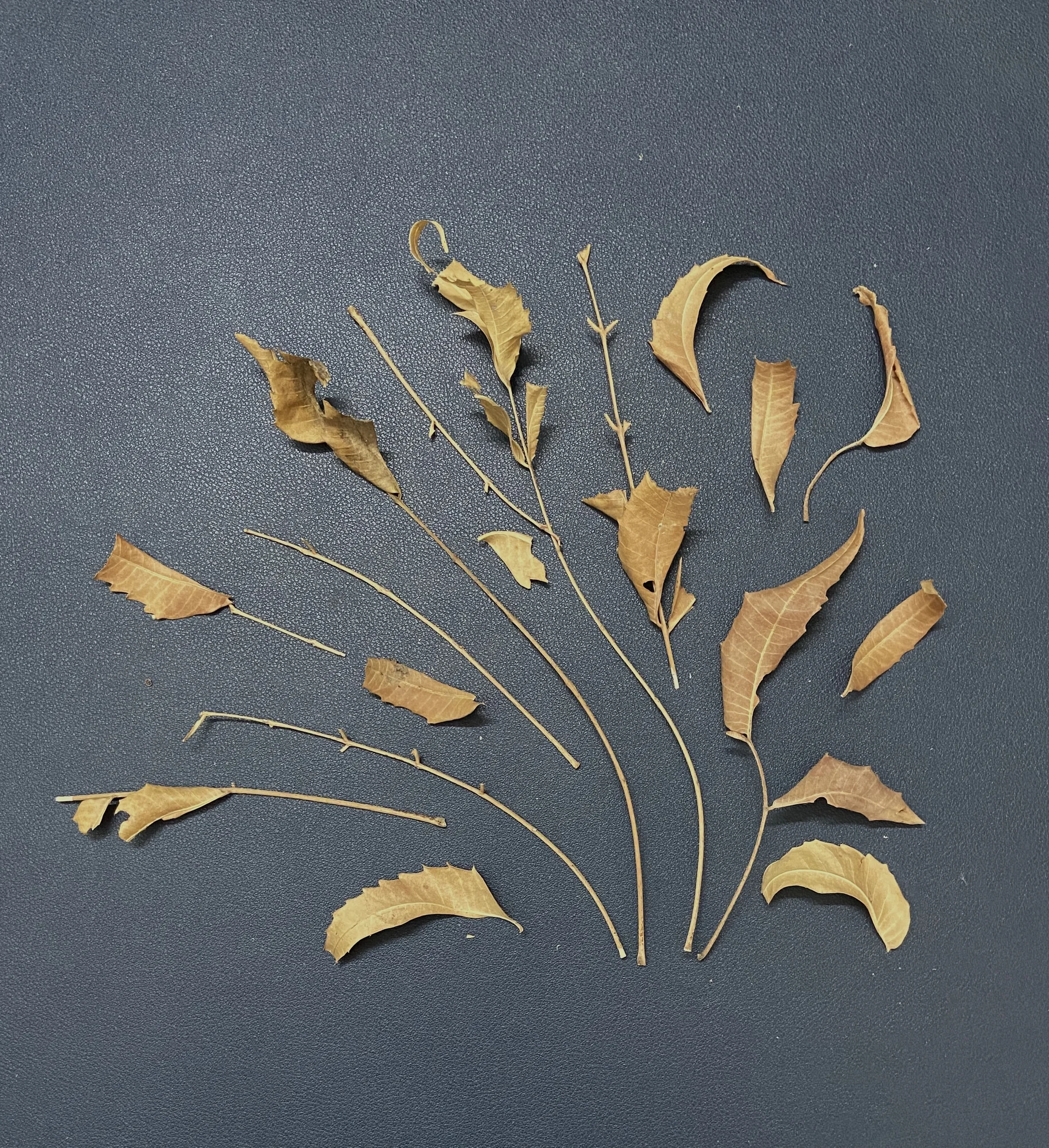
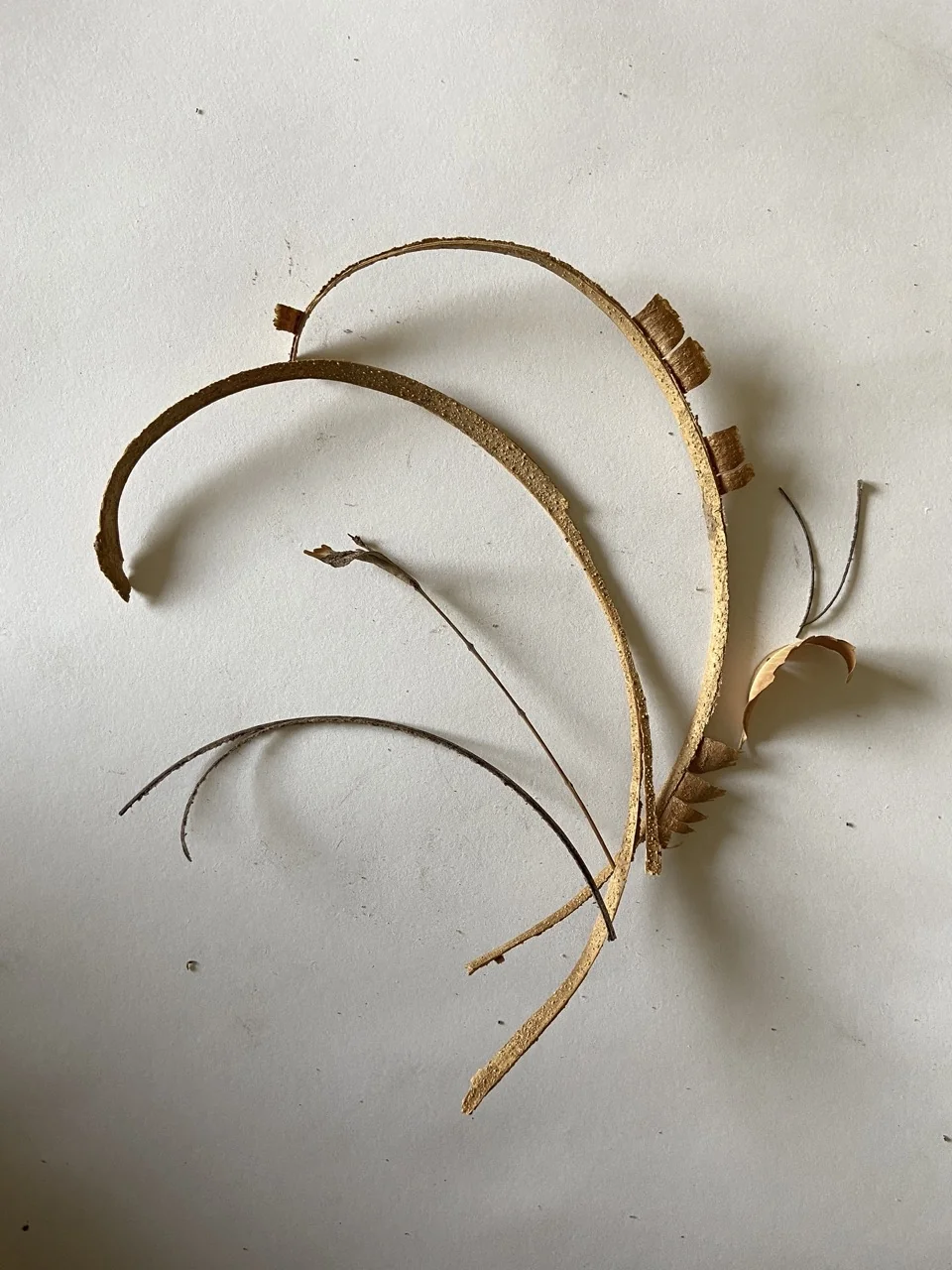
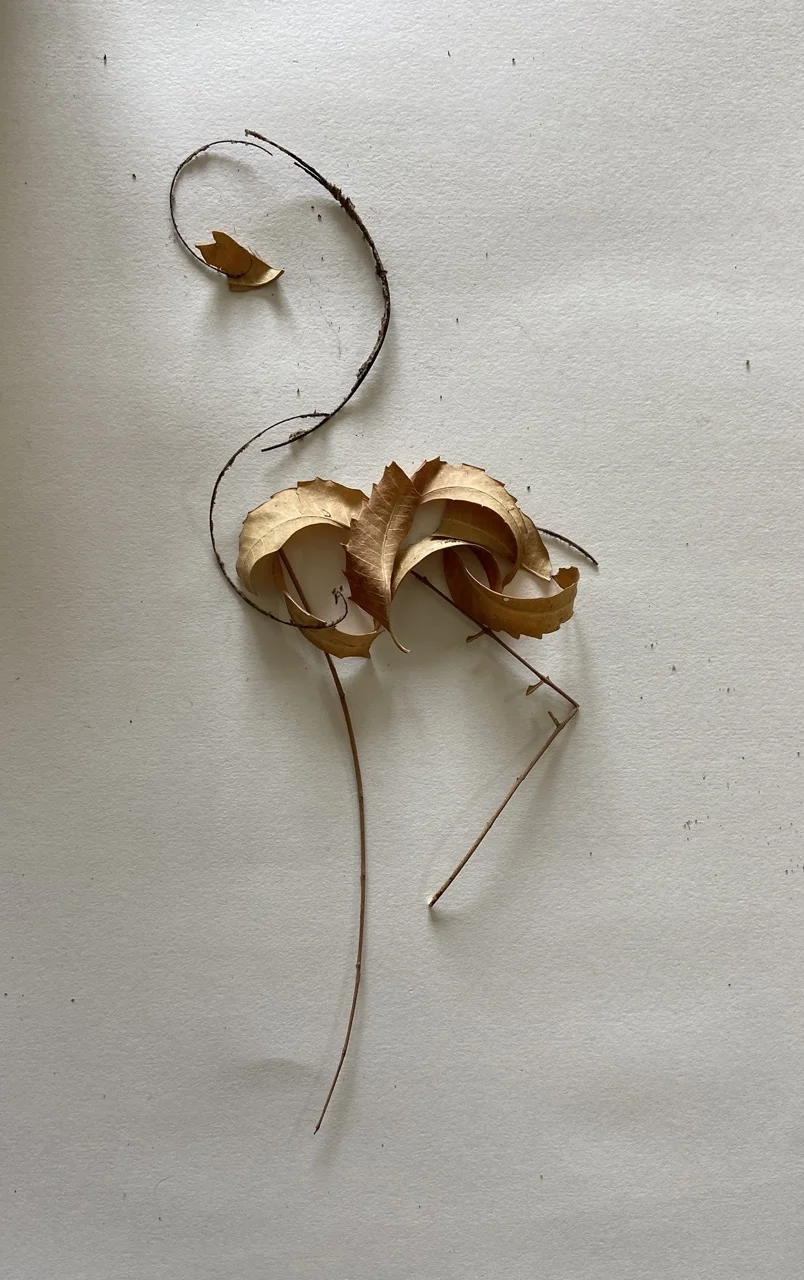
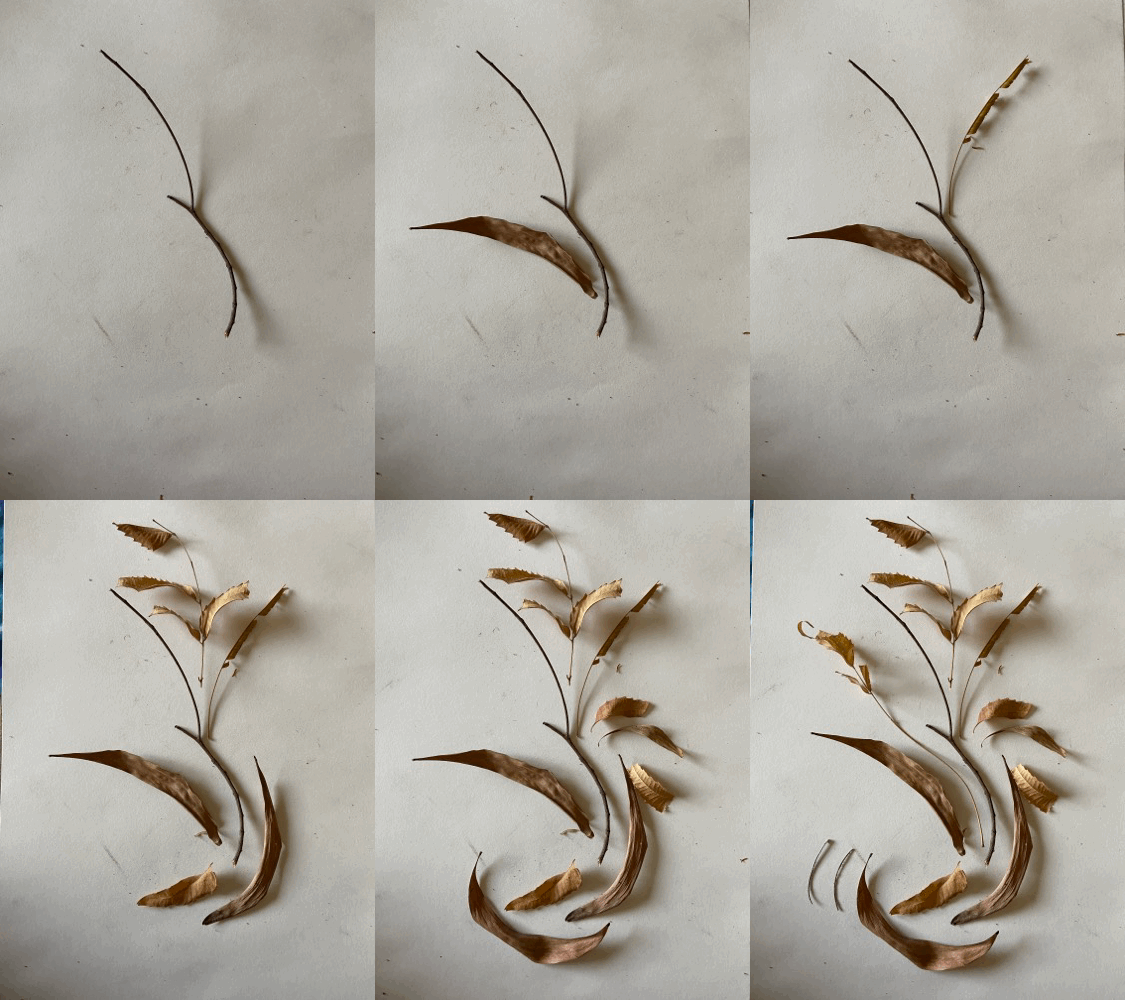
Before touching ink, I started arranging the organic pieces across sheets of paper. I wanted to see how the natural branching angles and curves could generate spatial tension, balance, and rhythm.
Each twig had its own personality—some were straight and rigid, while others bent in erratic arches. Placing them next to delicate dried leaves created small, ephemeral sculptures that responded to light and air.
Stuck in Existing Things
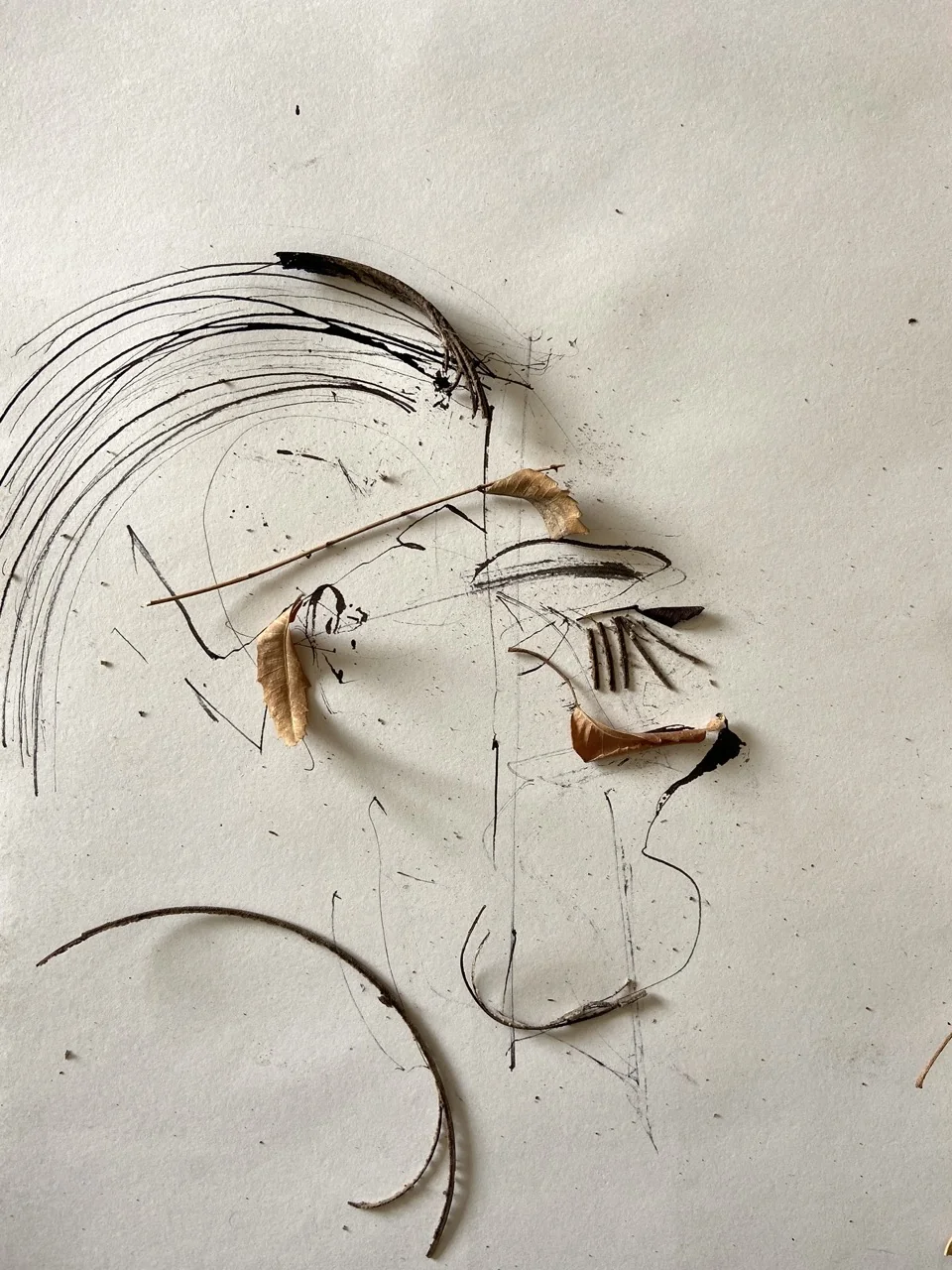
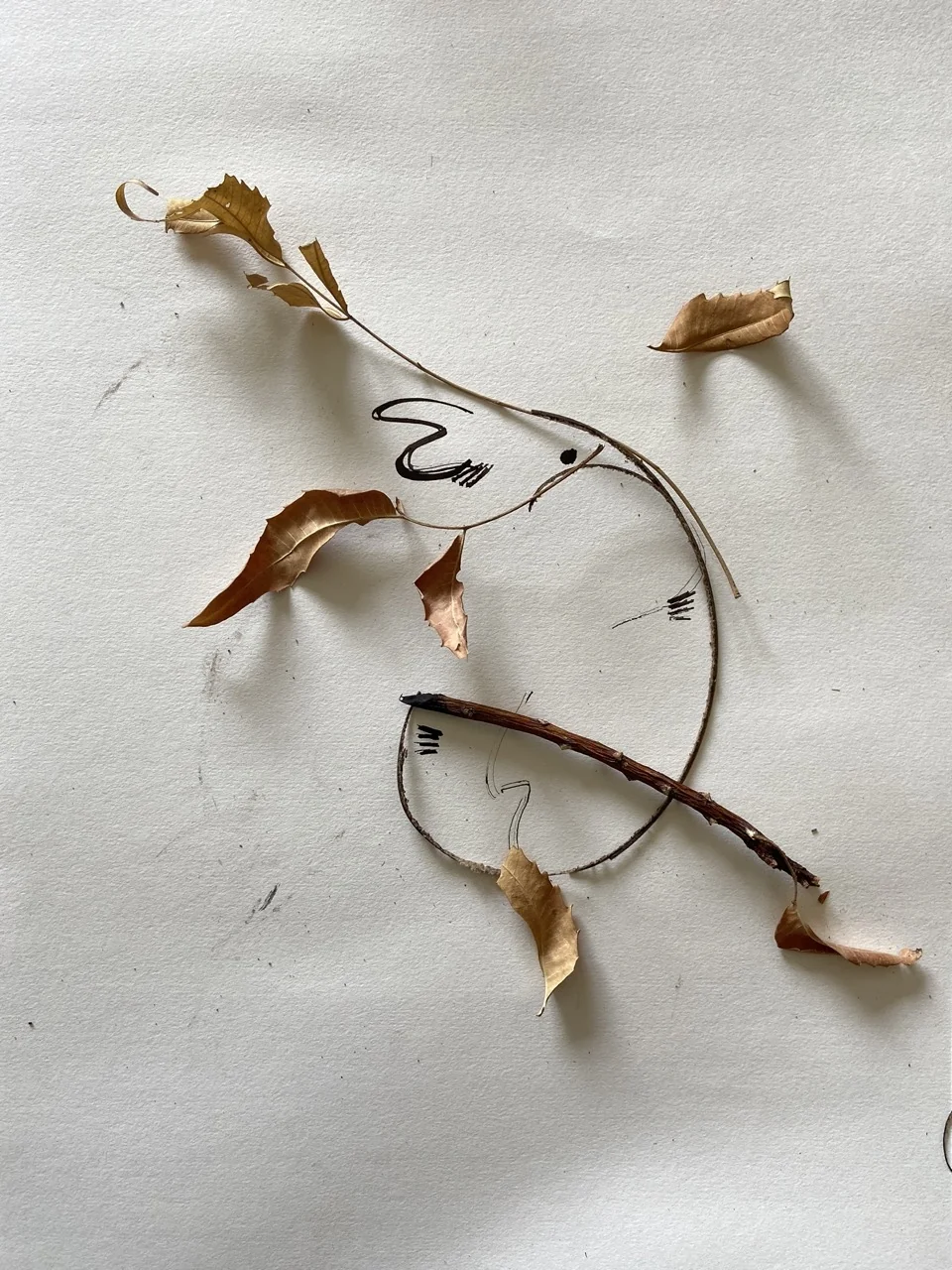
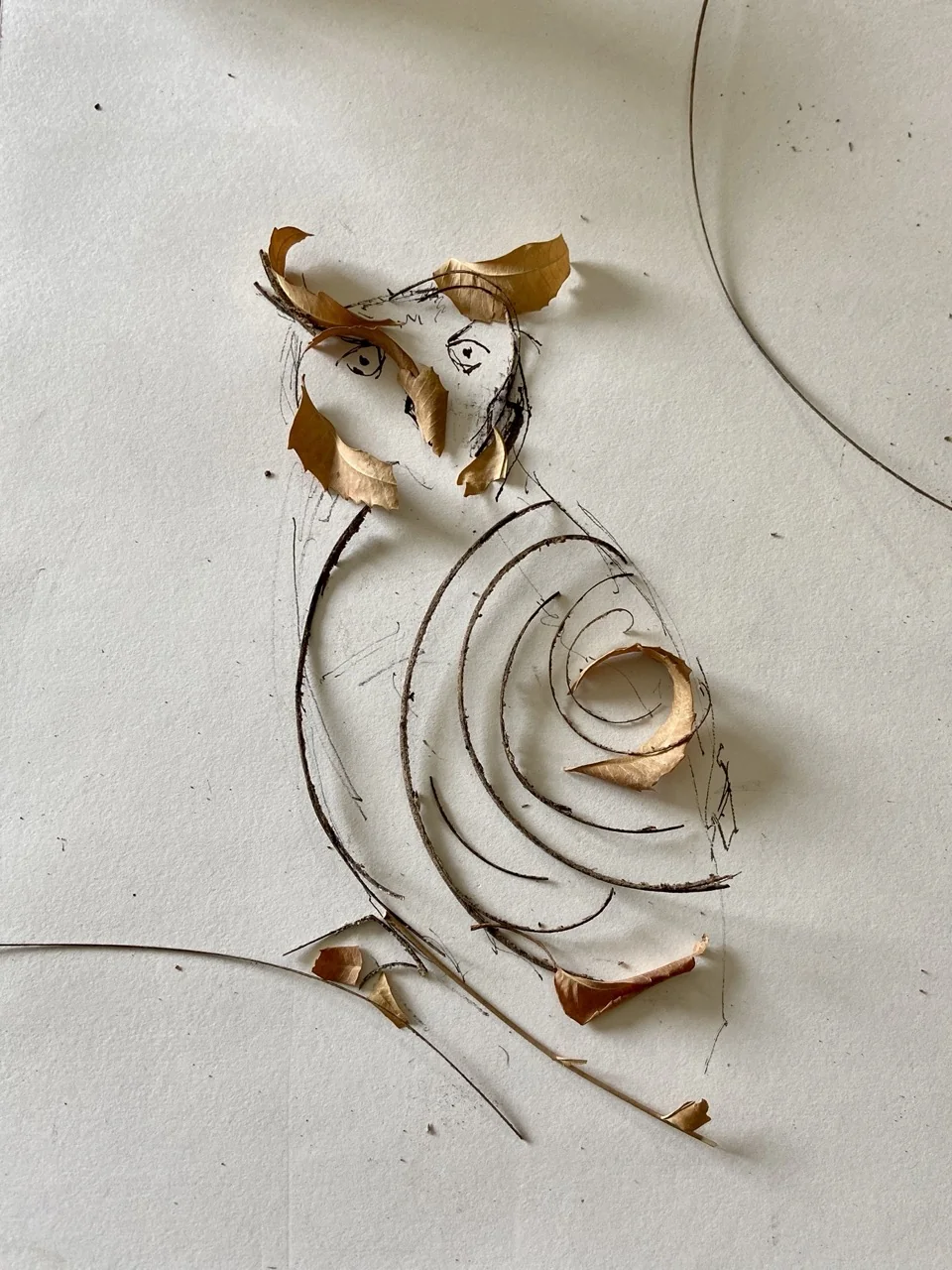
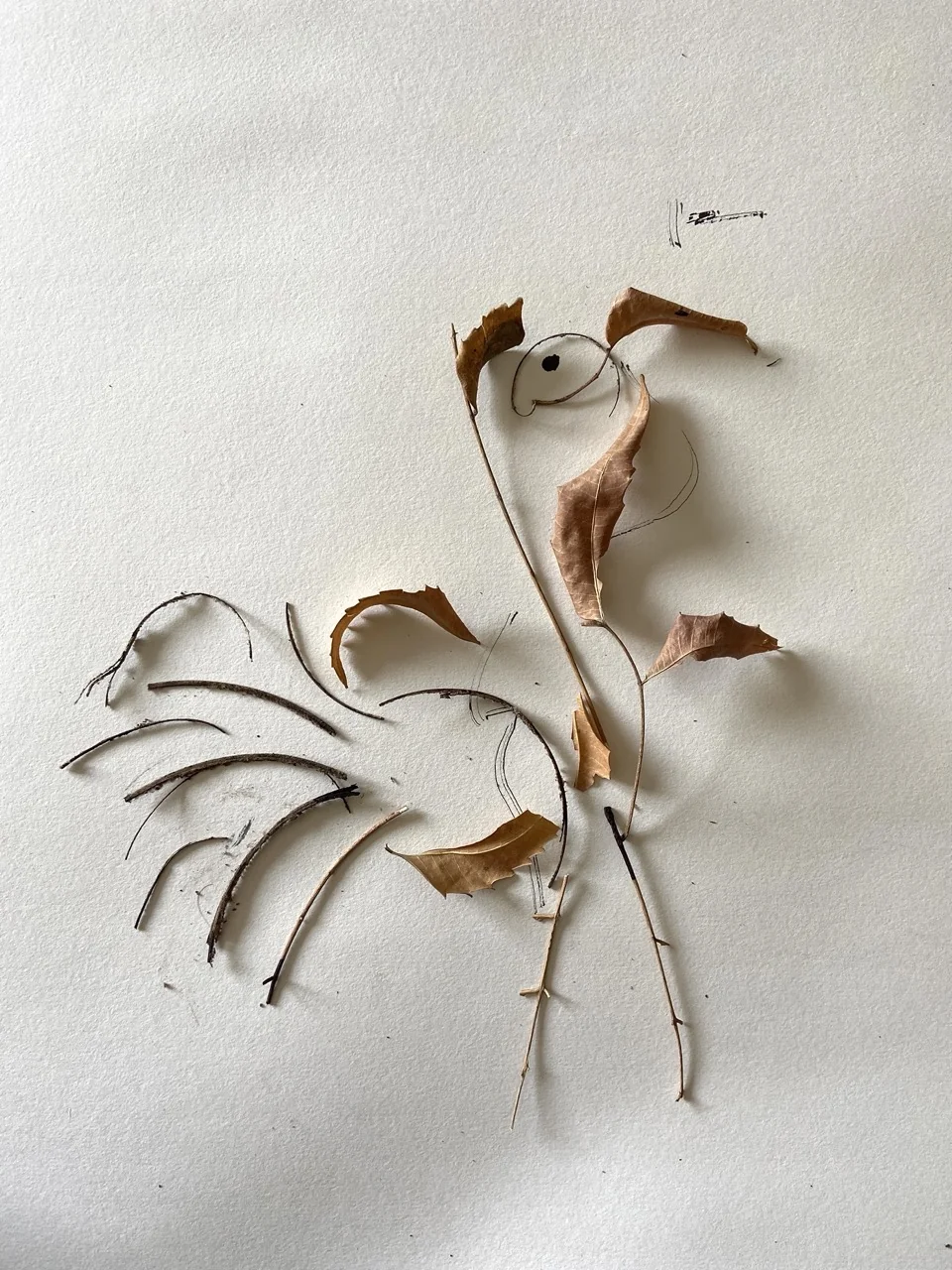
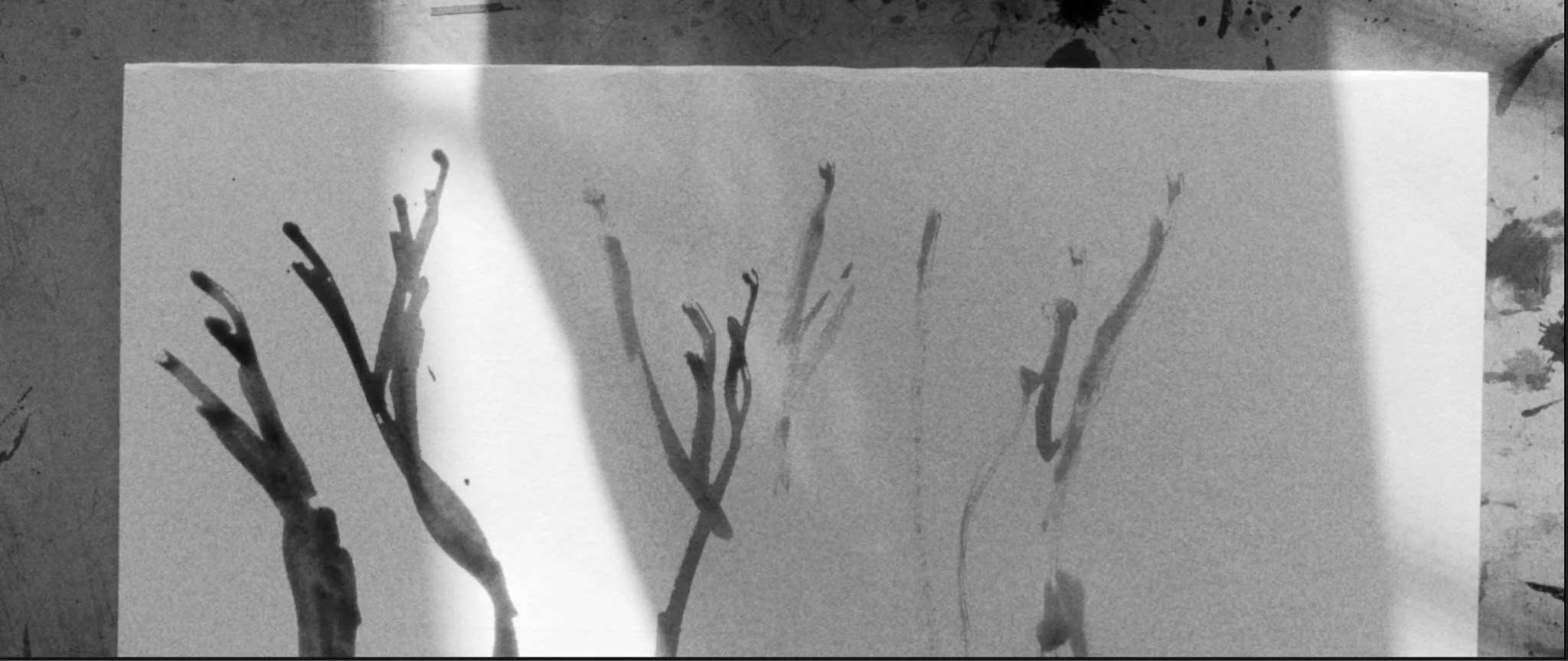
When I first dipped the twigs into black Indian ink, my ingrained design conditioning kicked in immediately. I caught myself trying to draw “something that makes sense”—recognizable illustrations like a bird resting on a branch or structured foliage.
Trying to force organic materials to fit a pre-conceived representational image quickly became frustrating. The strokes felt stiff, the placements turned repetitive, and judgmental thoughts began creeping in: Is this good enough? Is this art?
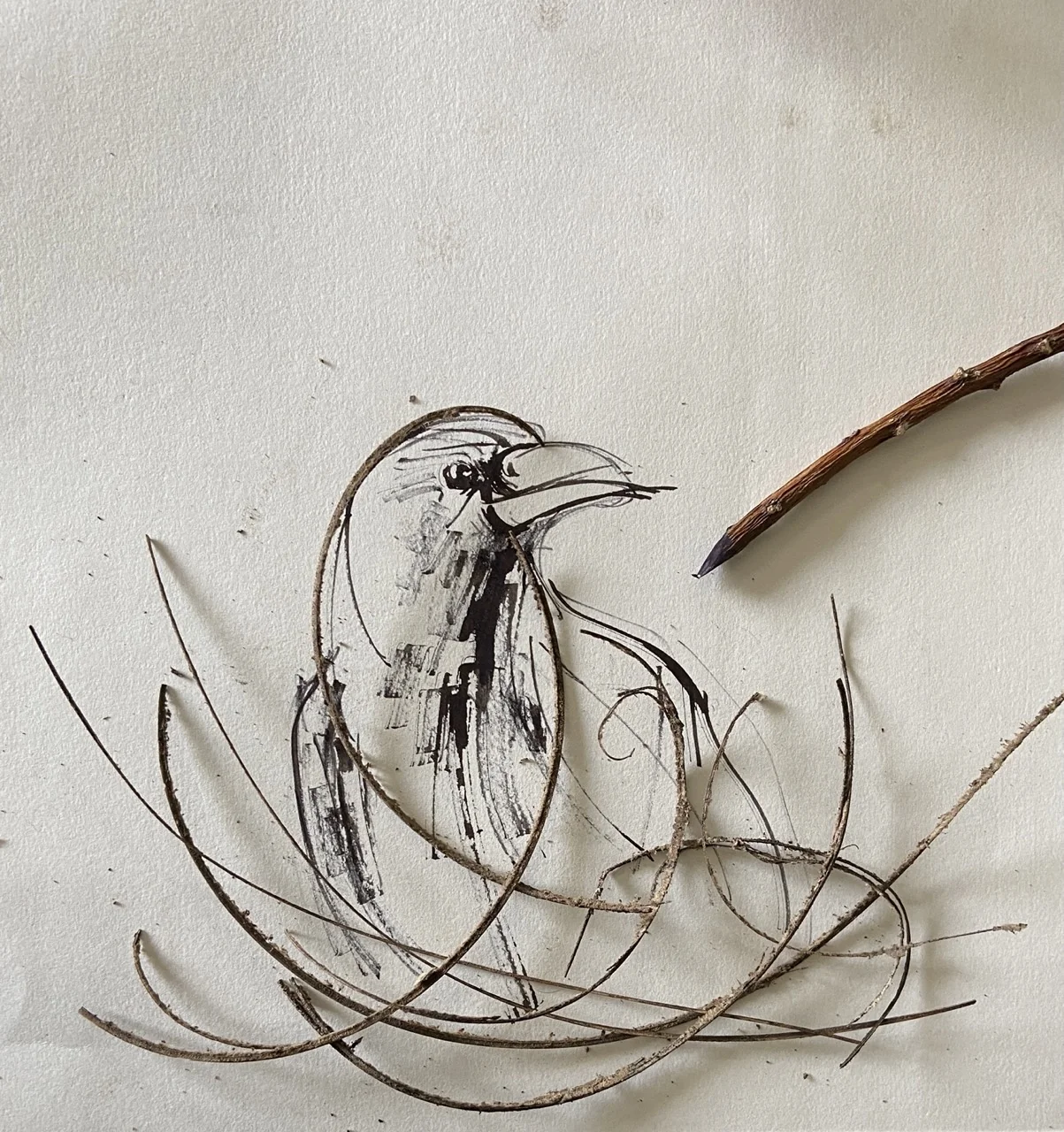
Breaking the Silence & Finding Flow
The pivot happened the moment I changed the sonic atmosphere. I noticed that when the room was dead silent, I stayed locked inside my analytical head. I put on smooth jazz music, shut off the inner critic, and gave my hands permission to wander without a plan.
As music filled the room, the tension vanished. I stopped worrying about meaning, representation, or outcome. Instead, I let texture, speed, and tactile intuition steer the marks across the paper.
Zero Barriers: Expressive Mark-Making
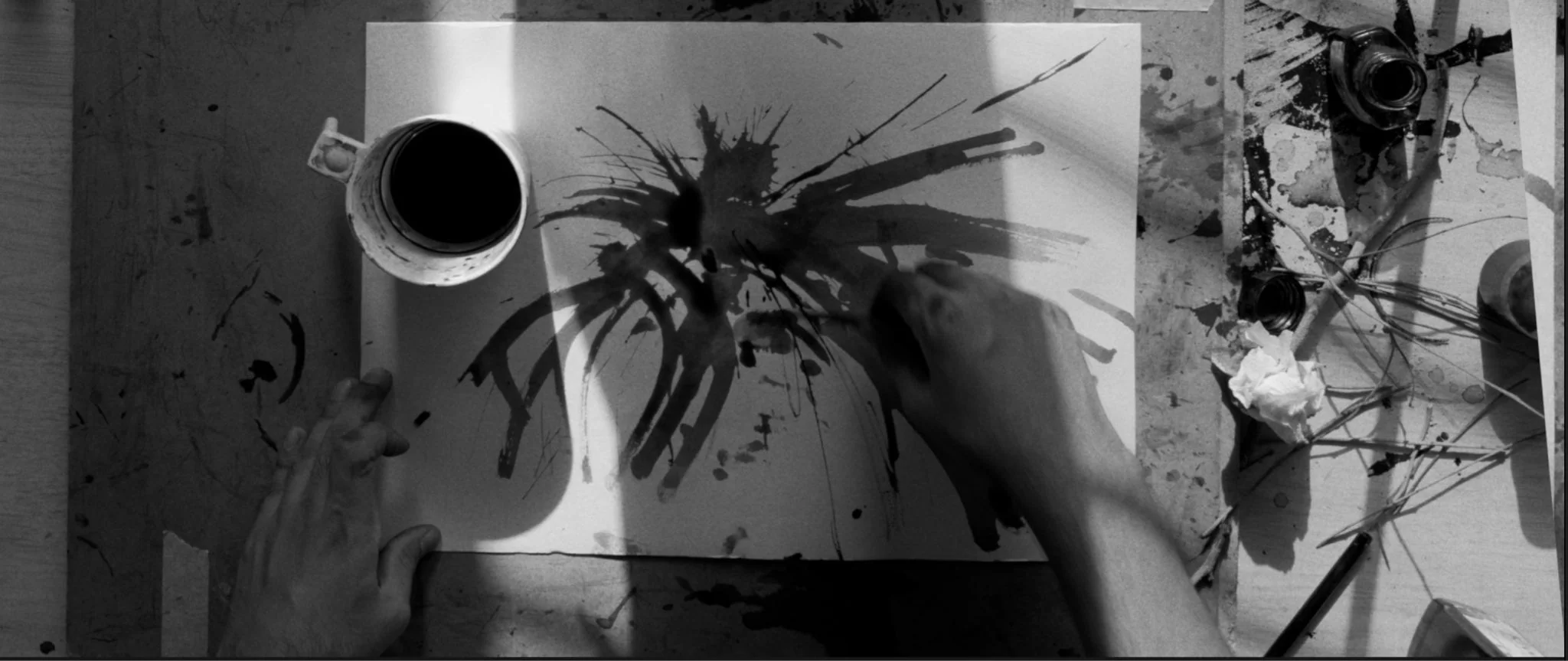
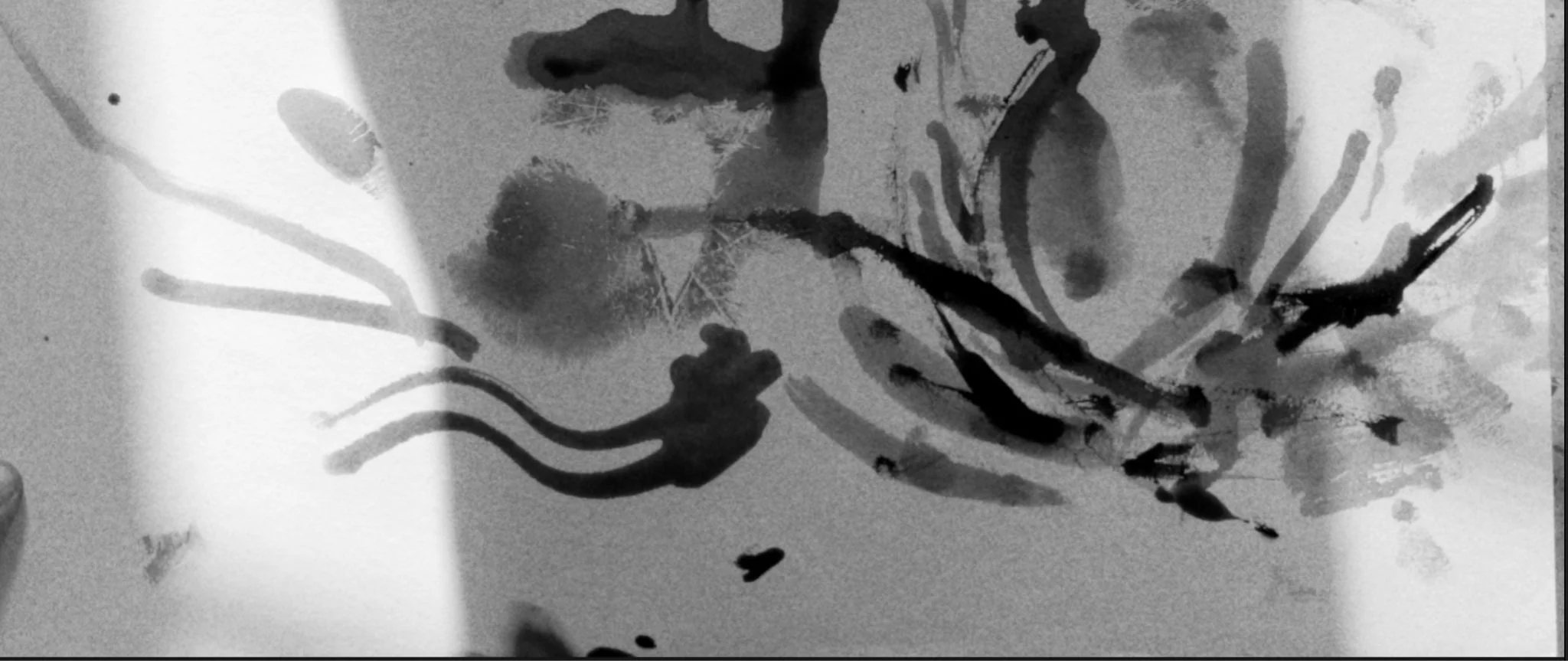
What emerged was purely about motion and momentum. Twigs bent and dragged across the rough paper, splatters sprayed with kinetic force, and rich pools of Indian ink bloomed into spontaneous curves. Hands became direct instruments of touch, smudging and rubbing ink into the paper grain.
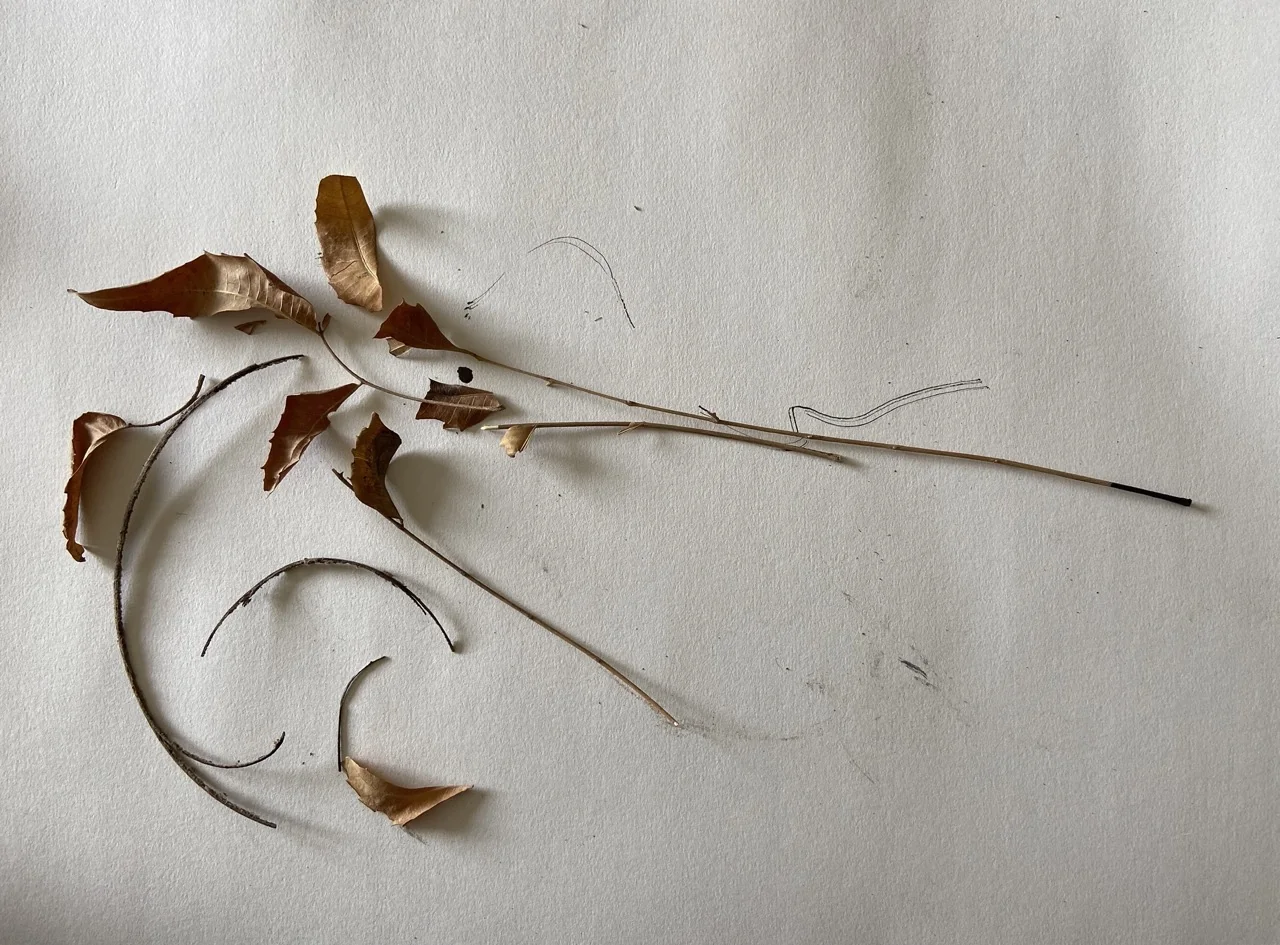
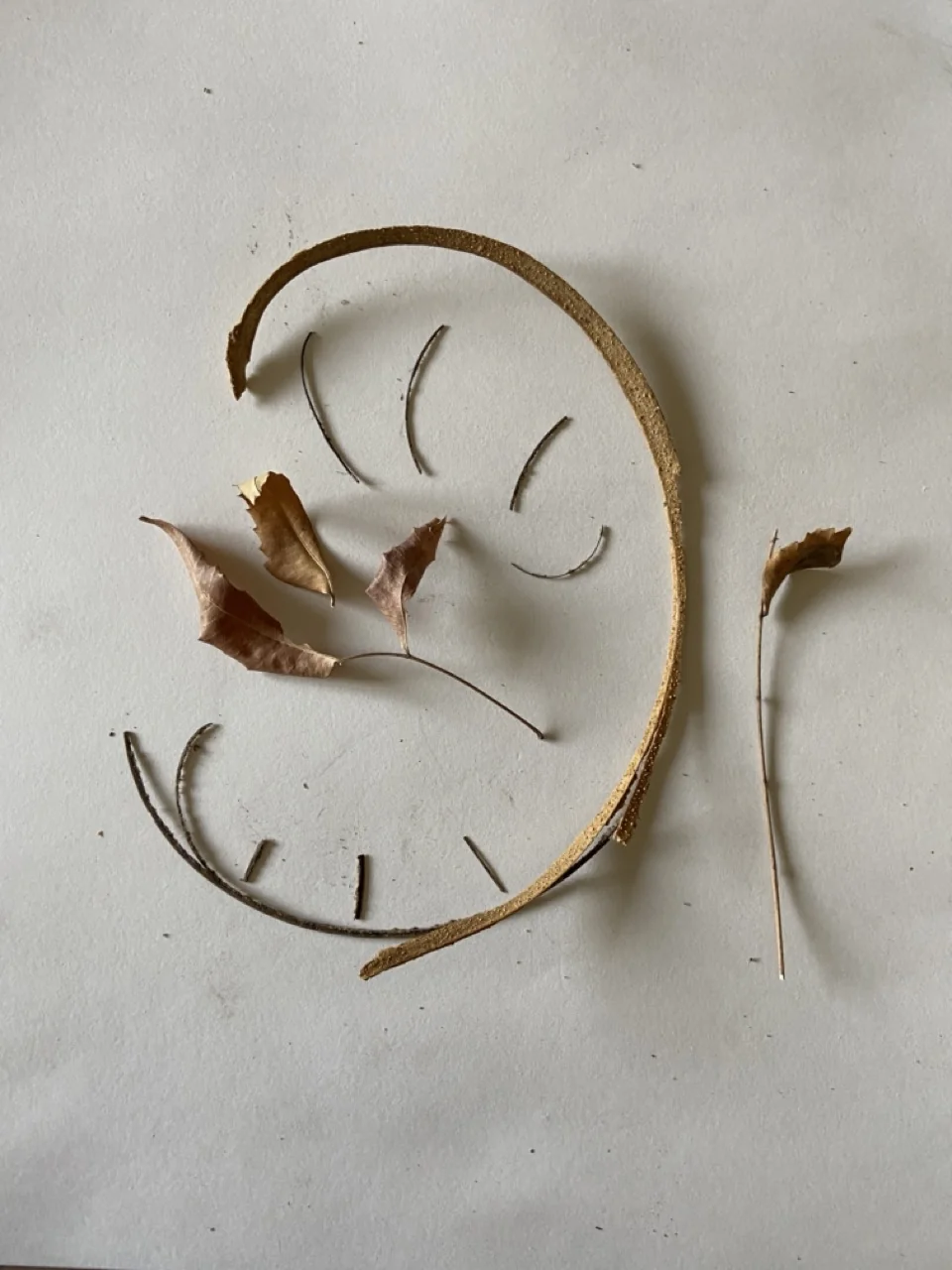
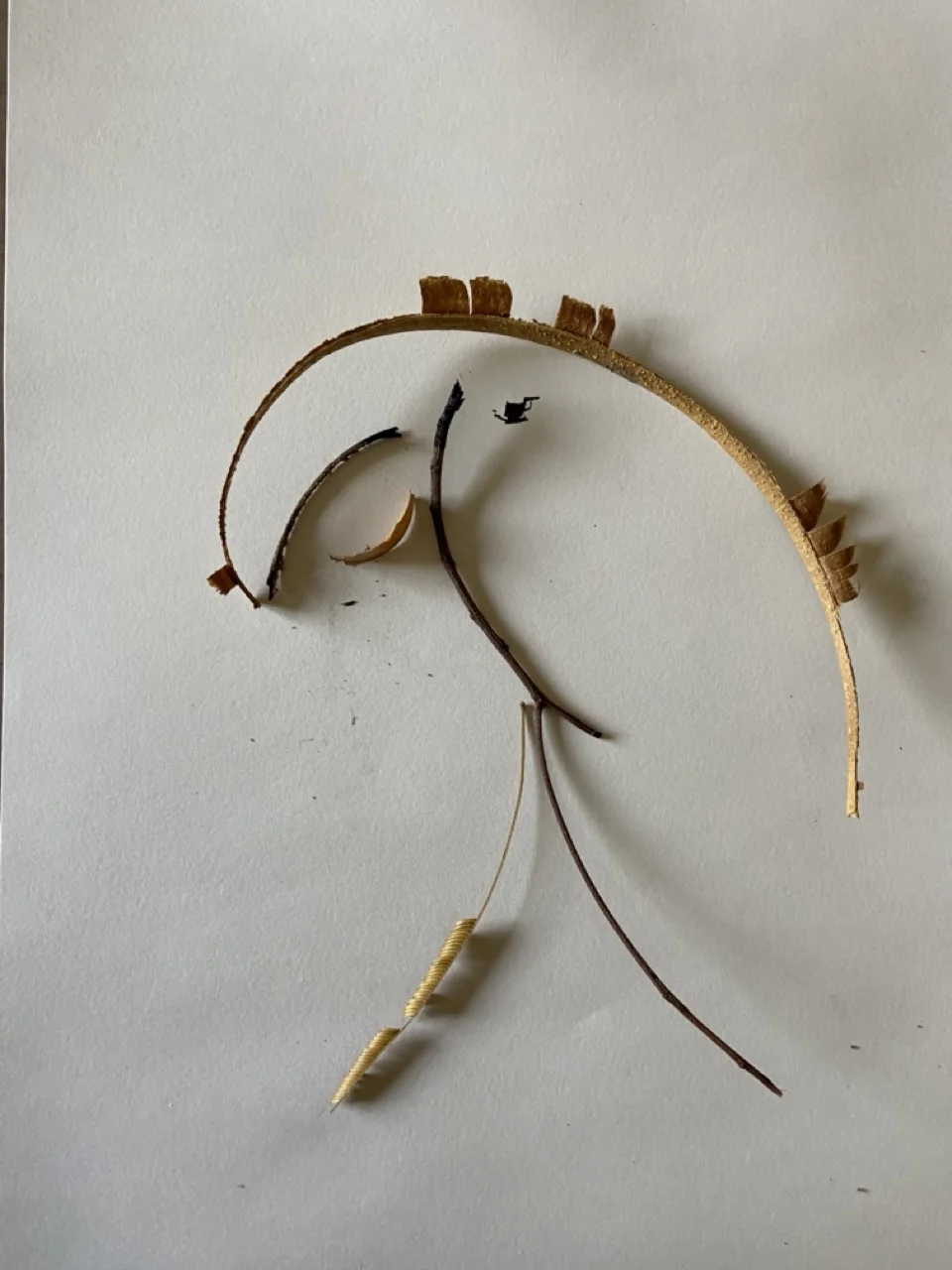
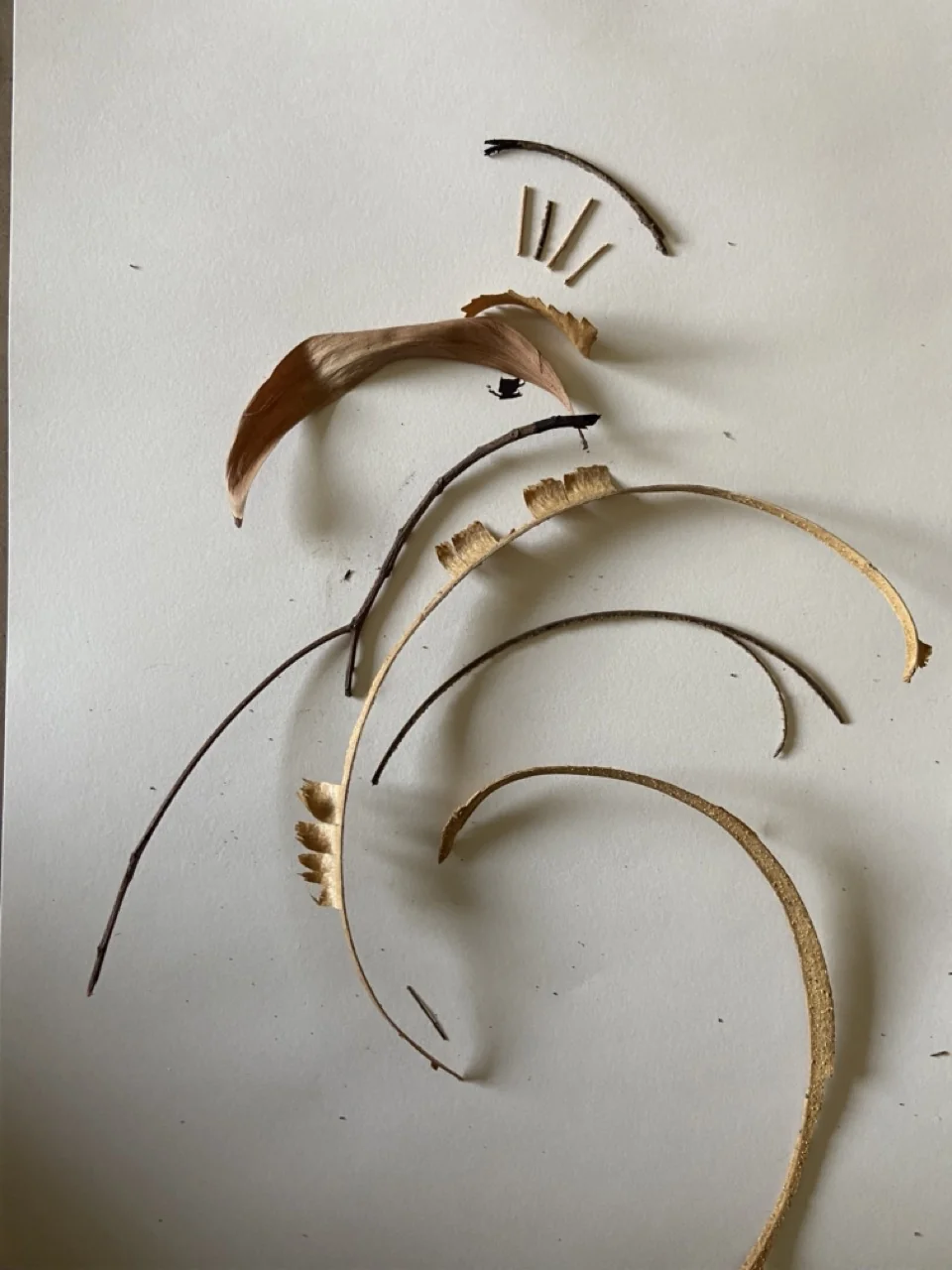
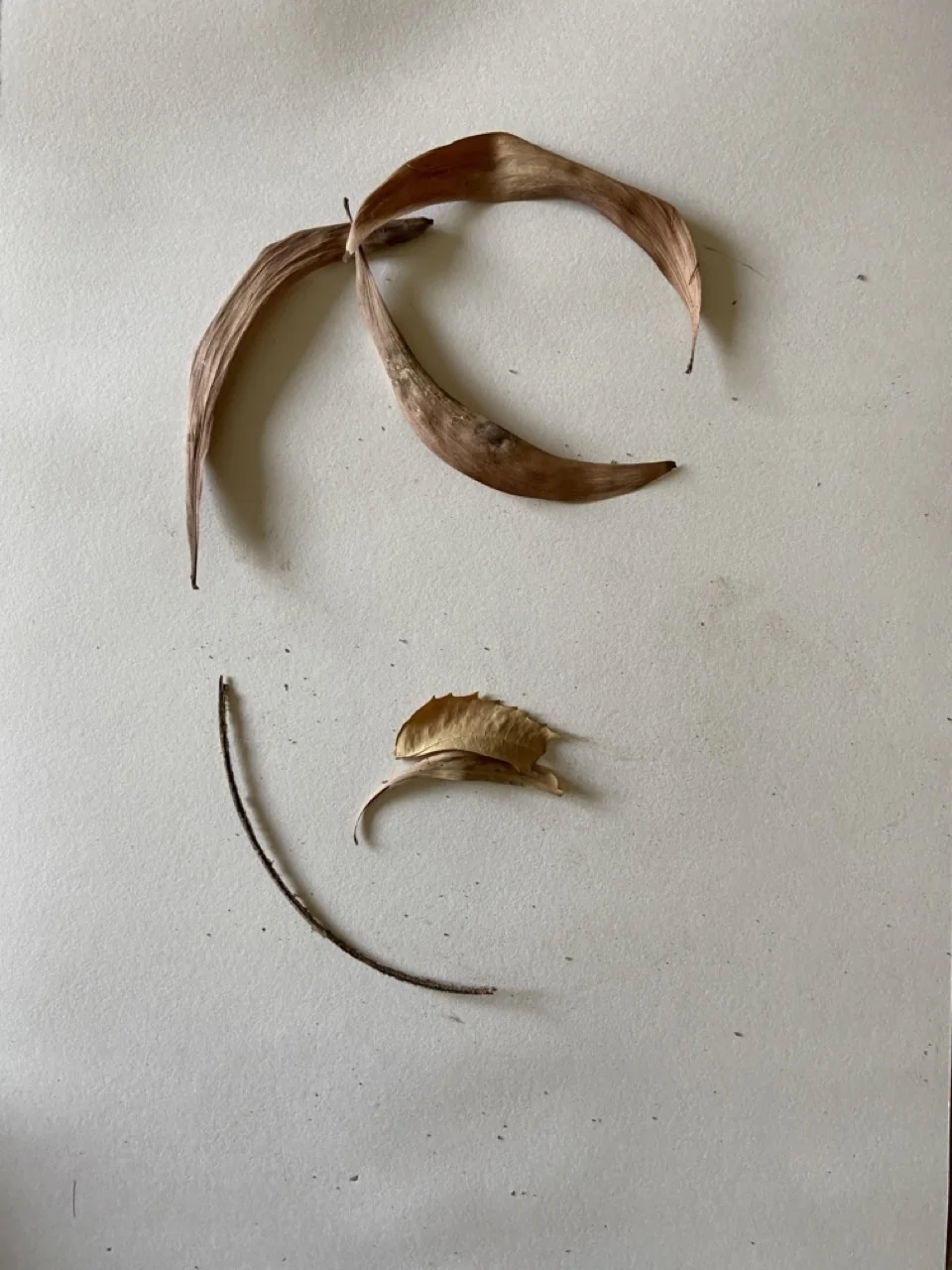
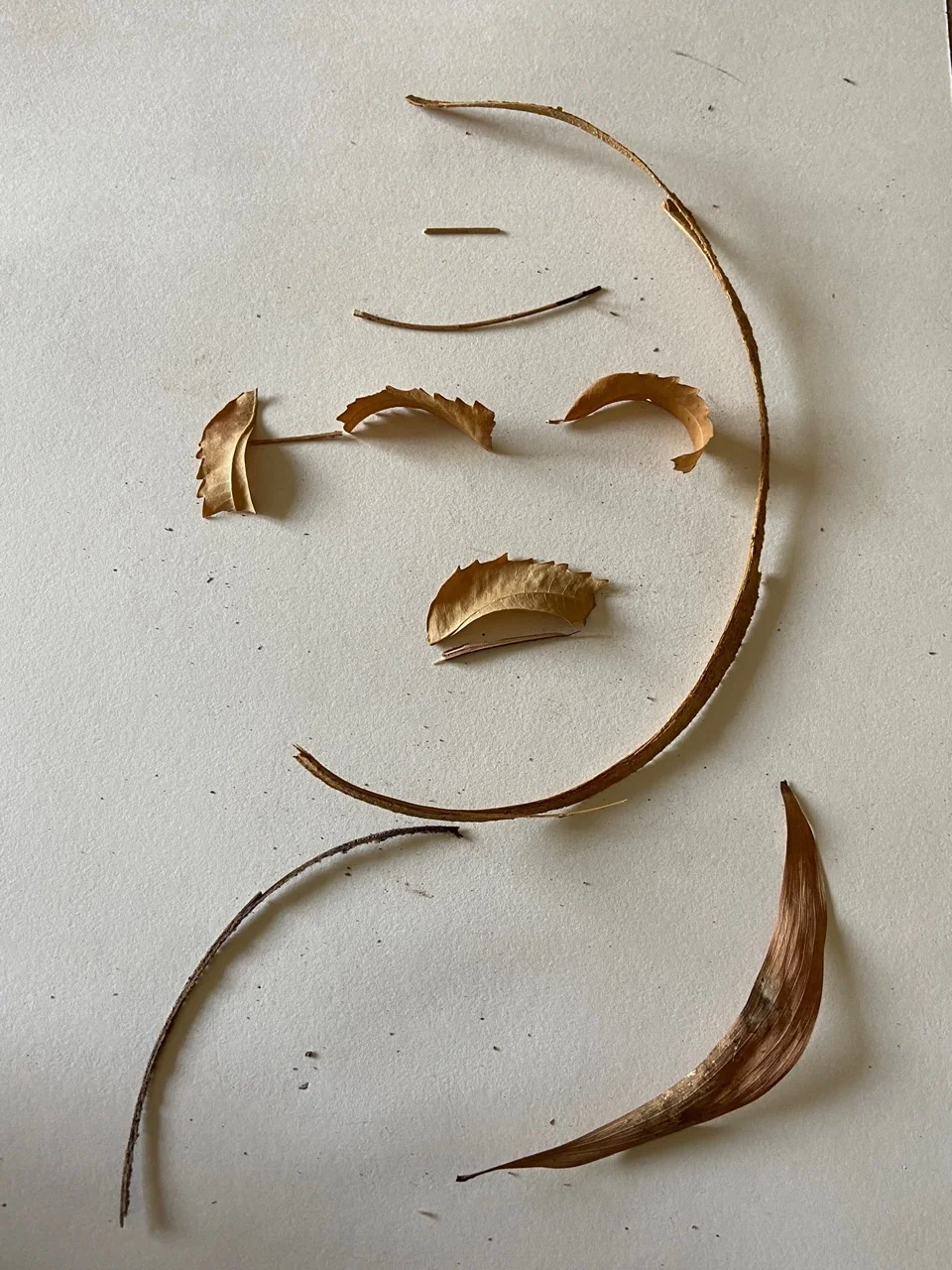
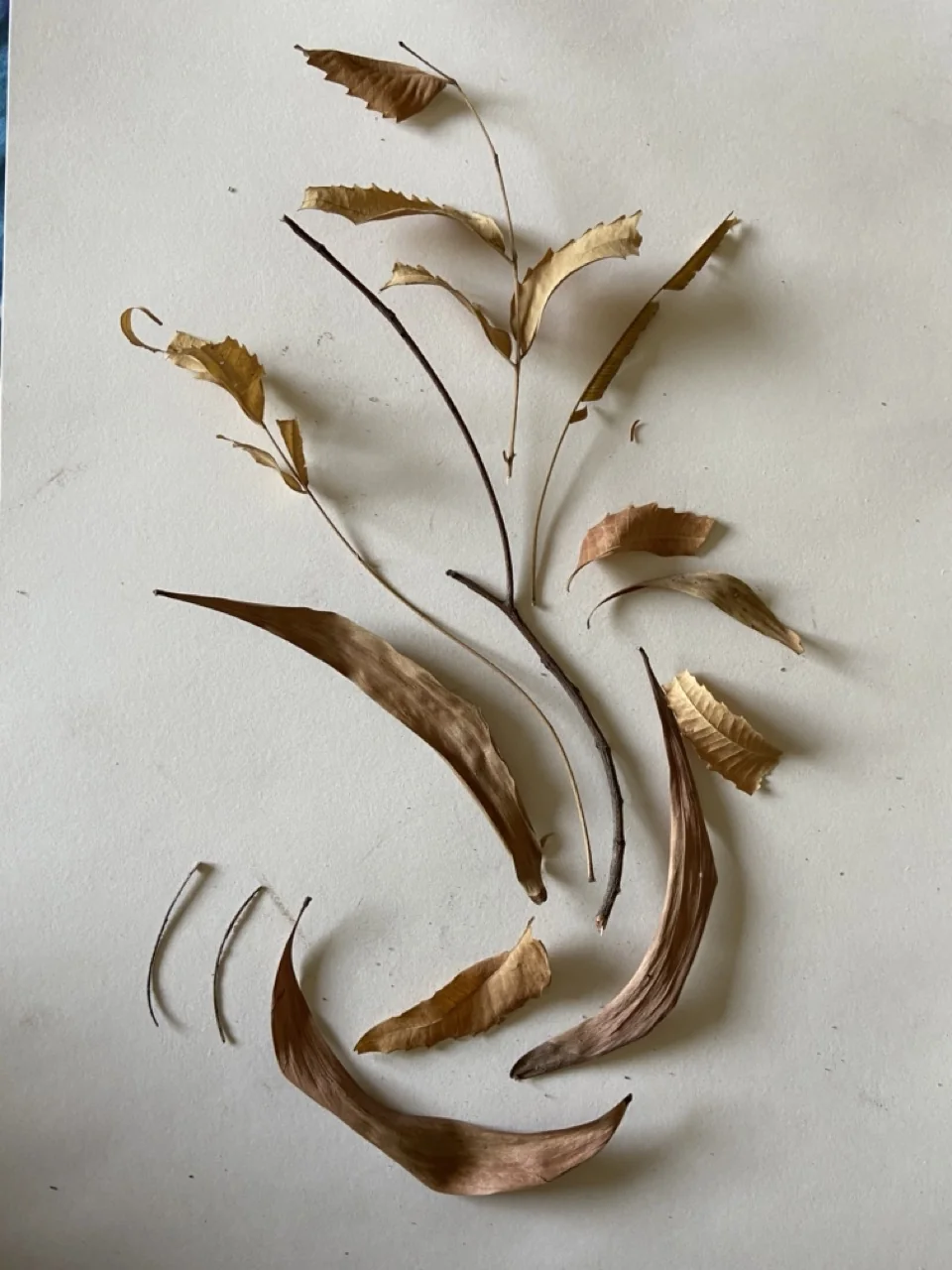
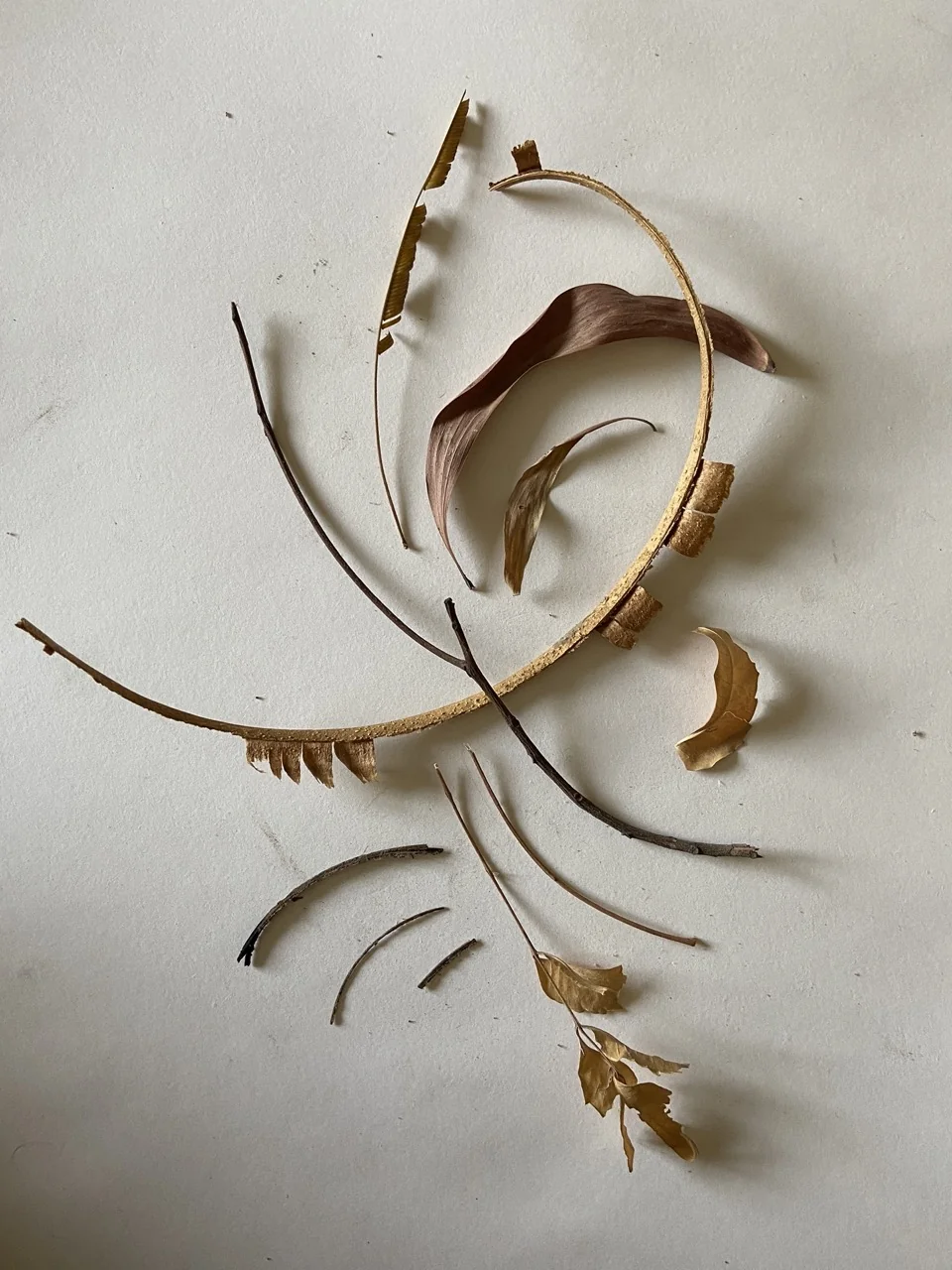
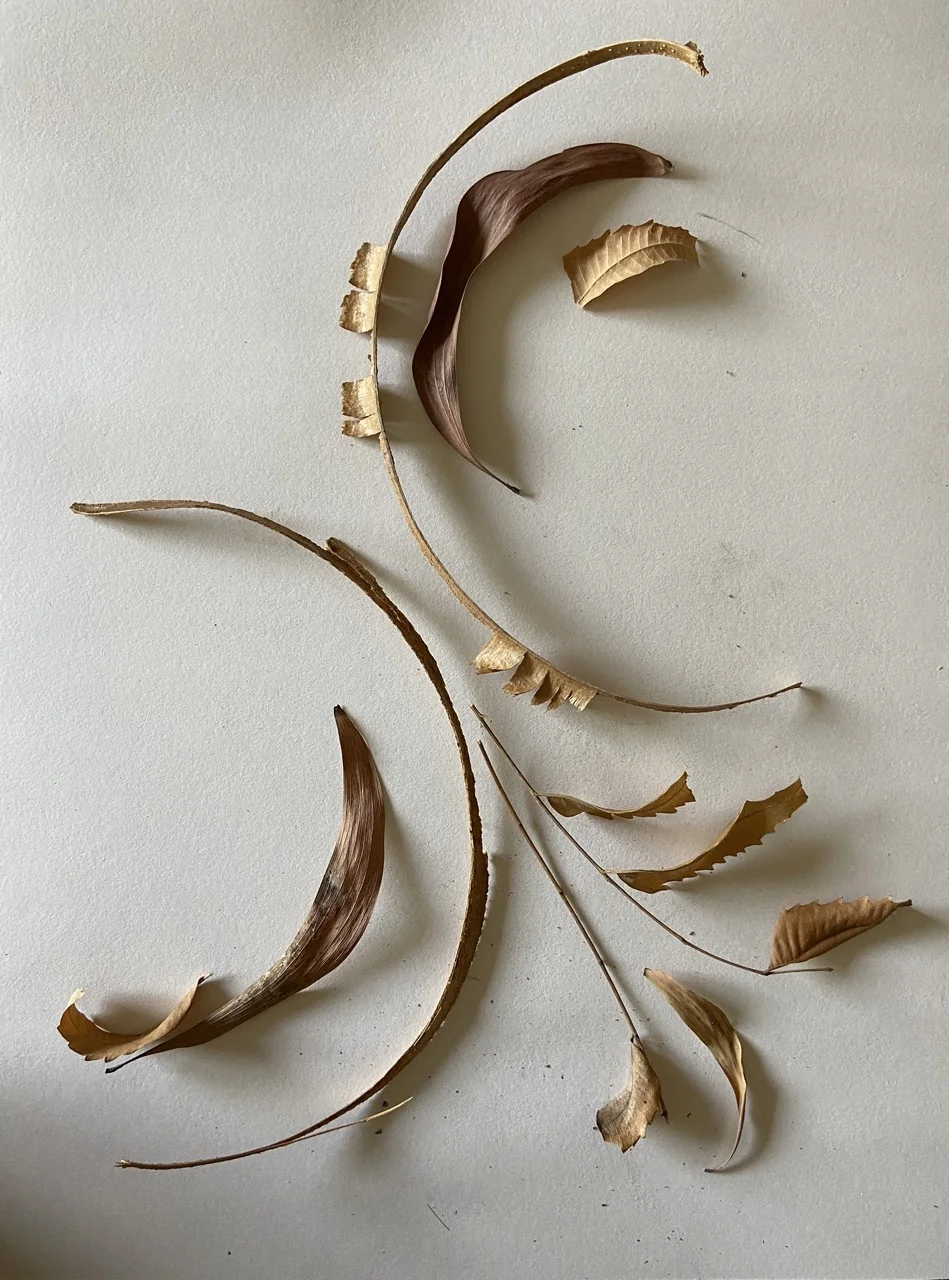
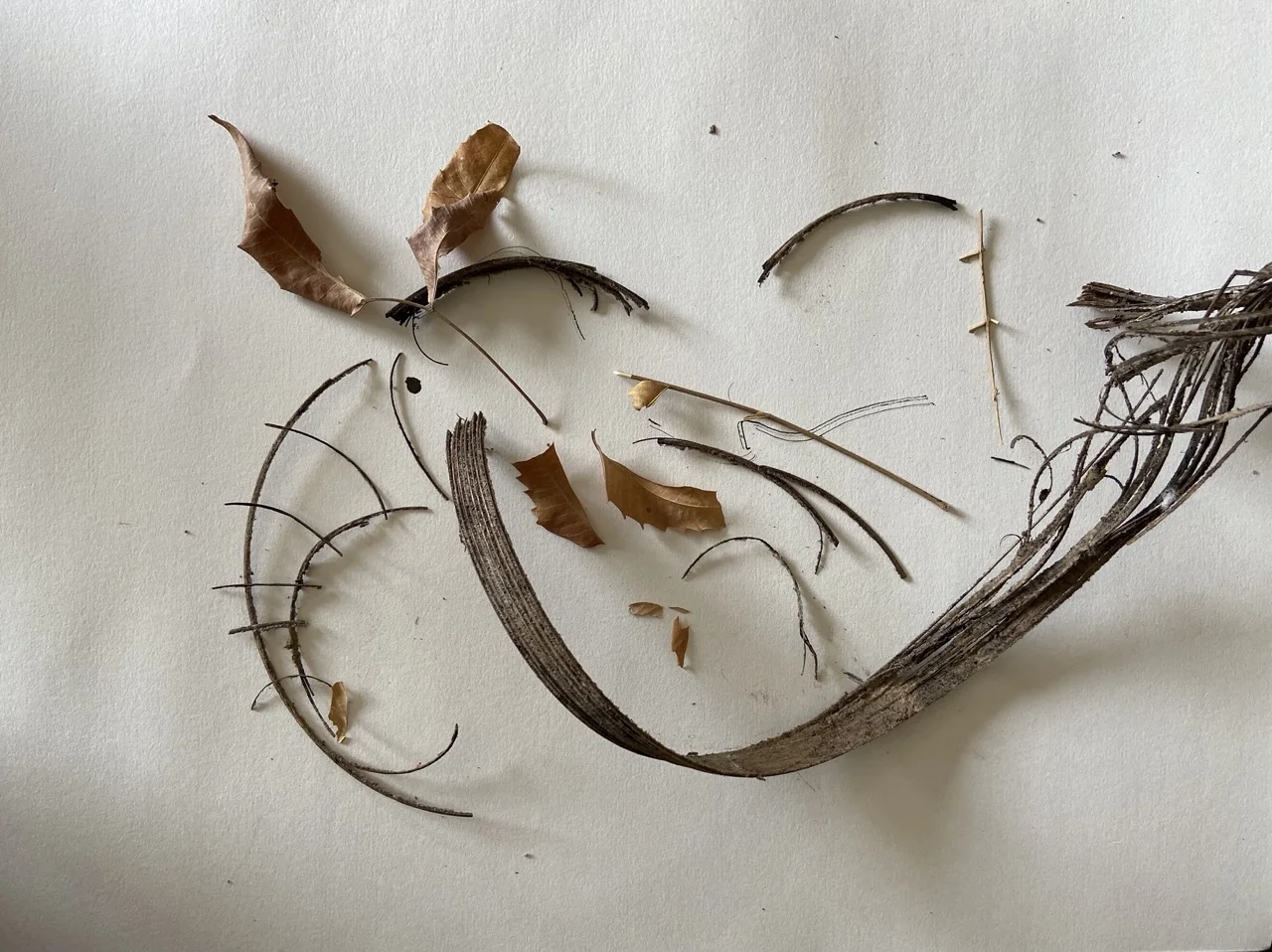
Alongside the mark-making, I wanted to explore motion. I set up a quick 12-second stop-motion animation using dried leaves, seed pods, and organic fragments, testing how brittle, stationary textures could come alive when animated frame by frame.
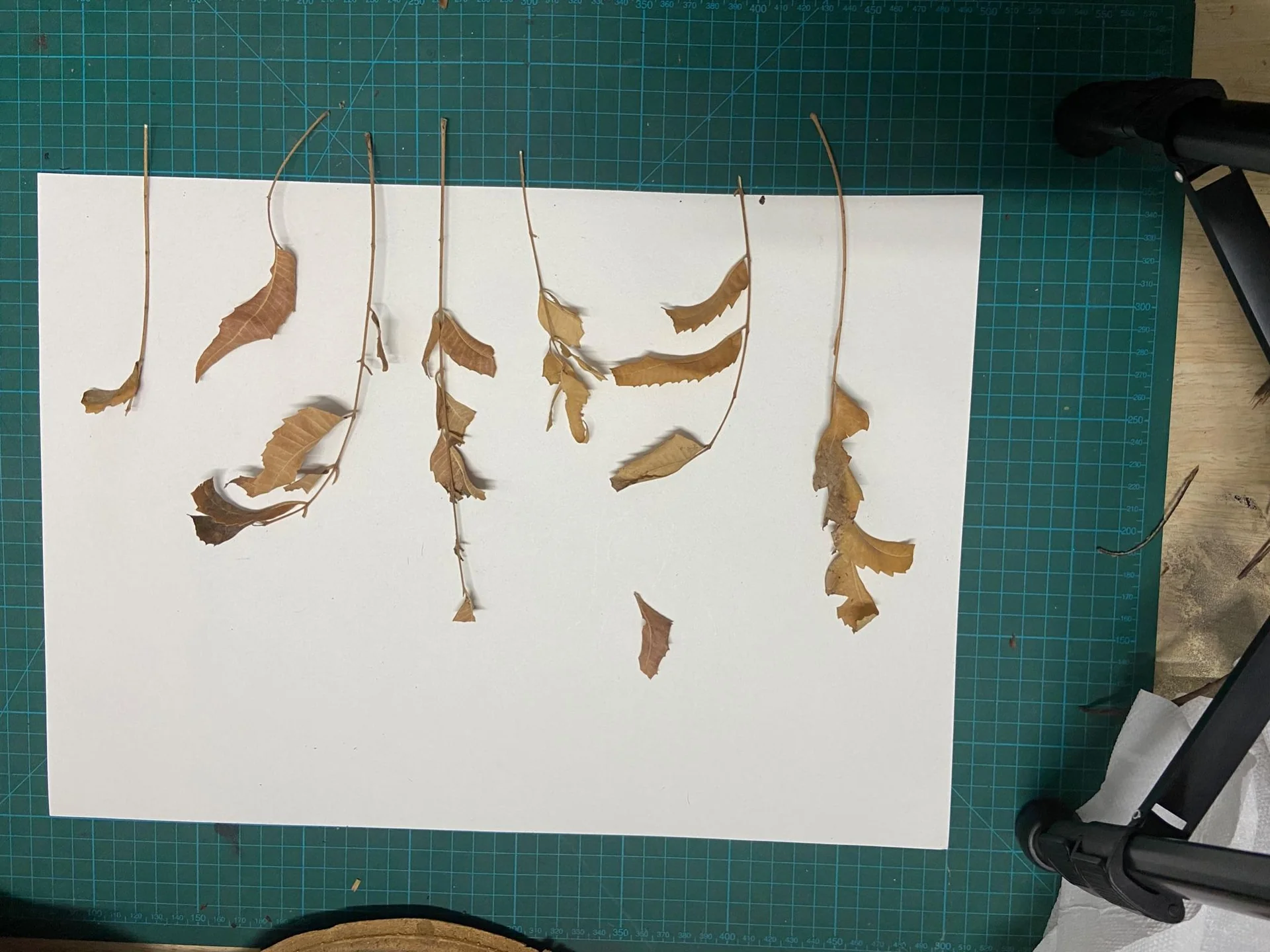
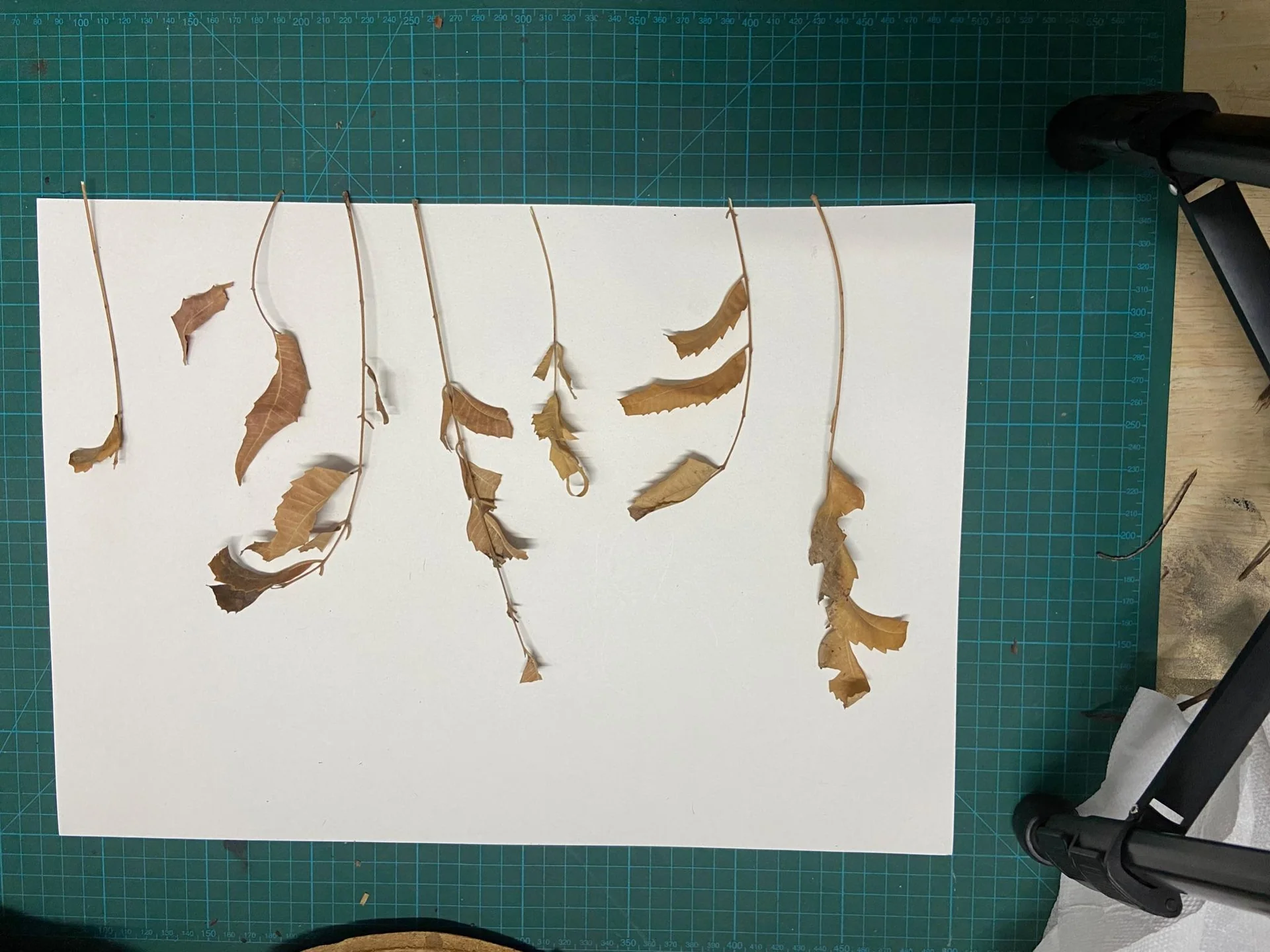
It was a raw, spontaneous experiment, but it reminded me of an important truth: you don’t need anyone’s permission to try something, and you shouldn’t hold back because an idea might seem “too simple” or “silly.” If the curiosity is there, you follow it.
Ink. (freedom) was filmed spontaneously in a single sitting on my Sony a7iii in 2.37:1 widescreen. I wanted to capture the direct sensory reality of creating: dipping twigs into rich black Indian ink, feeling the rough tooth of paper, smudging pigment directly with bare fingers, and watching unpredictable fluid marks bloom.
Ironically, the most challenging part of the process was turning on the camera. The technical chore of framing shots and checking focus threatened to pop the bubble of immersion. Yet once the ink started flowing, hours passed unnoticed. The resulting short film is an authentic document of that flow—uncurated, tactile, and completely free.
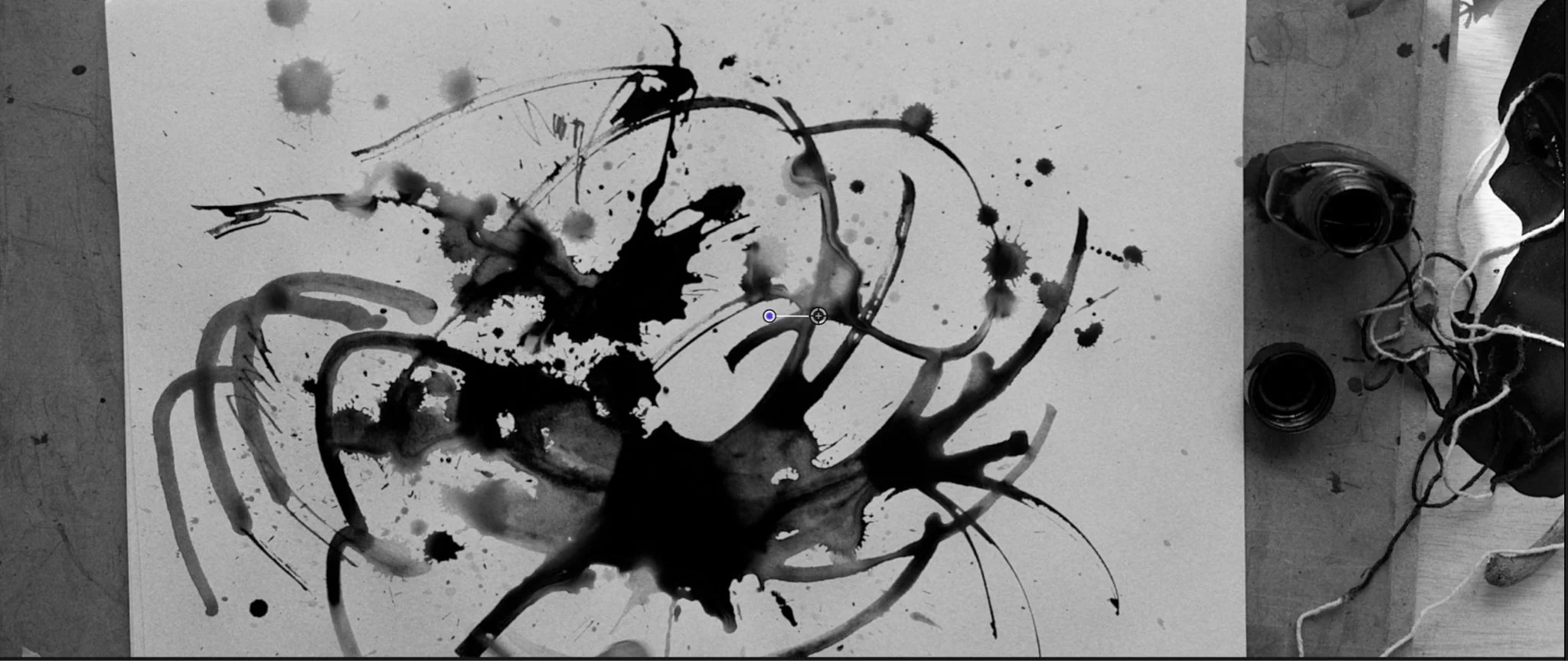
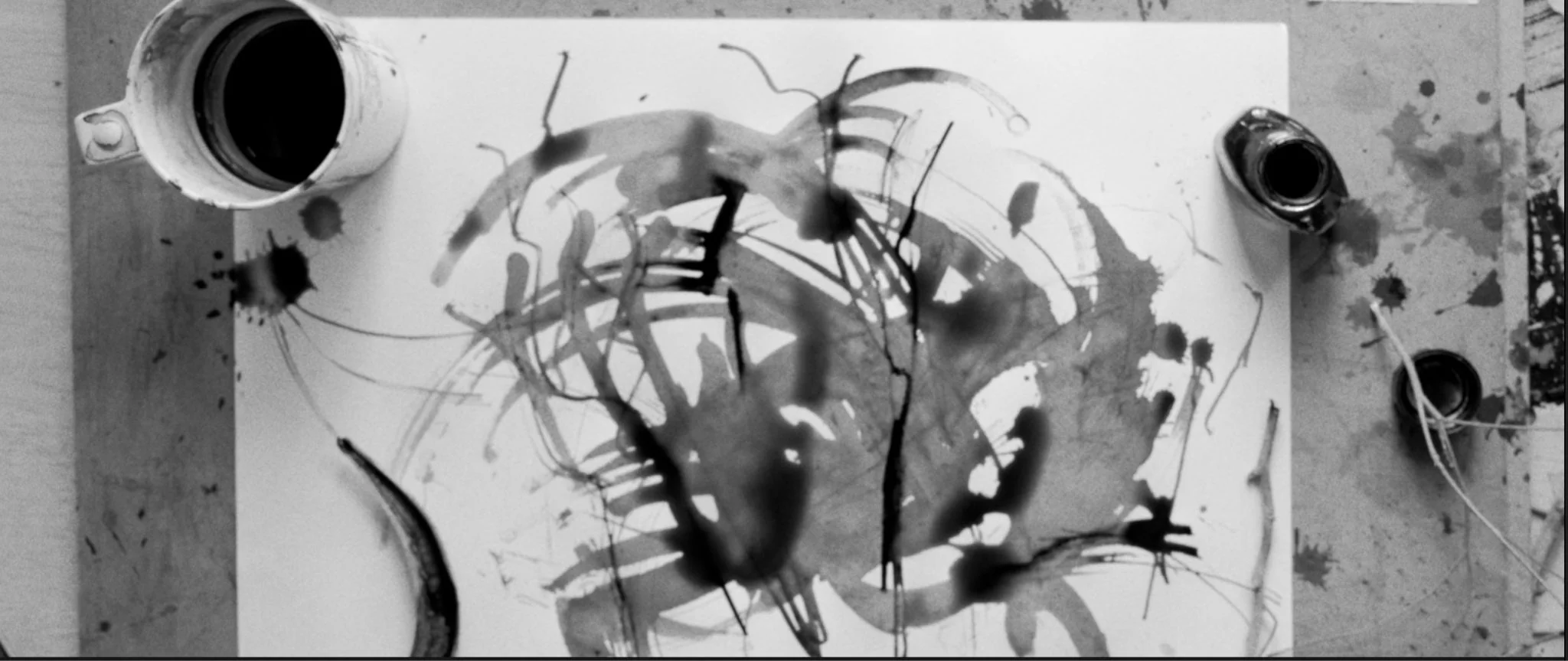
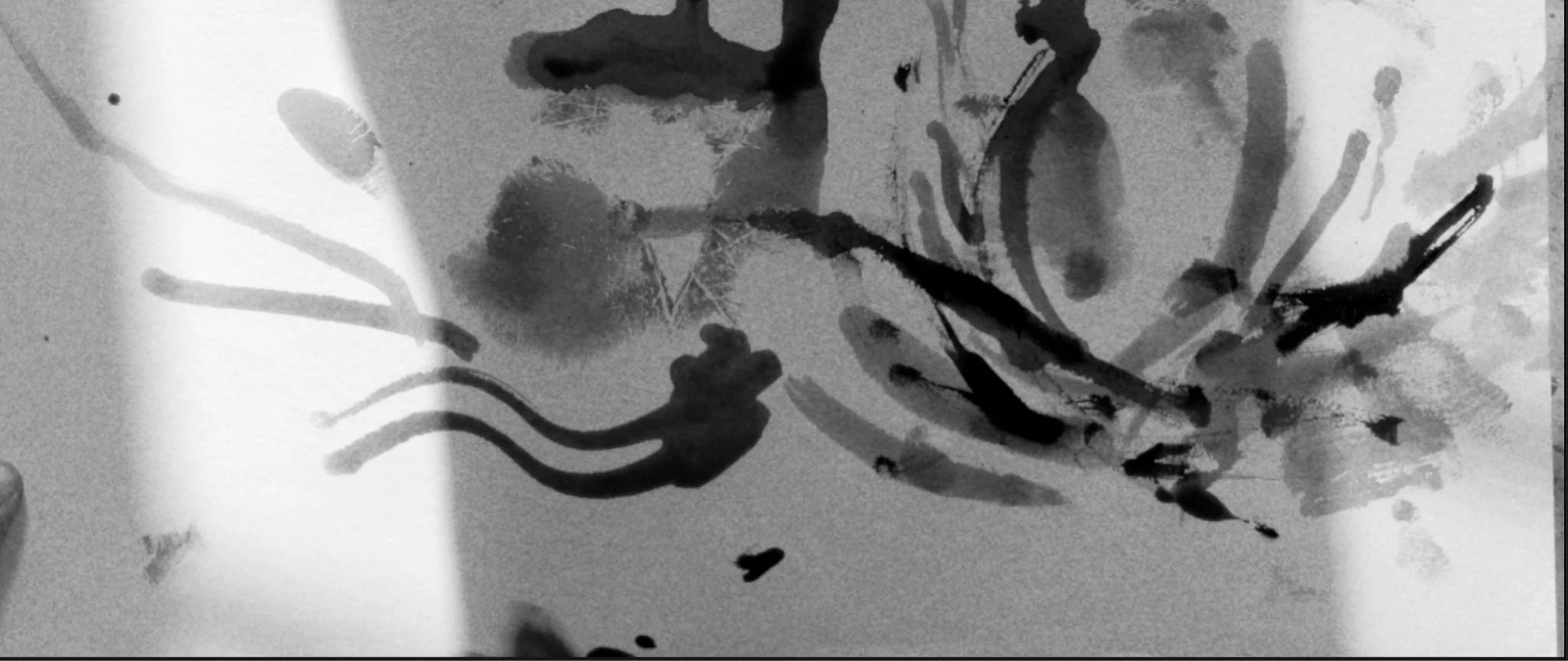
This elective left me with an enduring realization: slowing down yields entirely different creative depth than operating under perpetual pressure. It was about unlearning overthinking, trusting tactile instincts, and returning to the sheer, unburdened joy of craft.
Even though it isn’t a conventional commercial showcase, it remains one of the most honest things I’ve made—a touchstone for the mindset and freedom I want to carry across all my directing and visual work.
Amal Zen
Shewtal Bhatt
National Institute of Design (NID), Ahmedabad
Smooth Jazz (No Copyright)
Soundsnap
"Brain shuts off and the hands just do the job. What emerged was more about motion than meaning, less about creating 'art' and more about inhabiting a state of flow."
— Amal Zen