The Sonotaur's Lair
DIR. AMAL ZEN
DIRECTOR | SCREENPLAY | CINEMATOGRAPHER | EDITOR | VFX | SOUND DESIGN | COLOURIST
Graduation Project 2023 — Live Action · CGI · Generative AI · 16:9 Widescreen
Graduation Project 2023
The Sonotaur's Lair is an absurdist documentary-fiction film that takes the viewer on a journey through a fictional parallel world where humans speak in a 'honk language' and constant noise is mandated by the state. Trapped in a sprawling urban labyrinth, citizens navigate manufactured chaos while non-human creatures speak with quiet, existential vulnerability. Through satire, visual effects, and meticulous sound design, the film interrogates our normalized tolerance for noise pollution, road rage, and sensory overload.
The Core Inquiry
In a fictional parallel world where humans speak in a ‘honk language’ and constant noise is mandated by the government, what becomes of silence? Trapped in a maze-like urban labyrinth, its denizens are hunted by the beast that is noise.
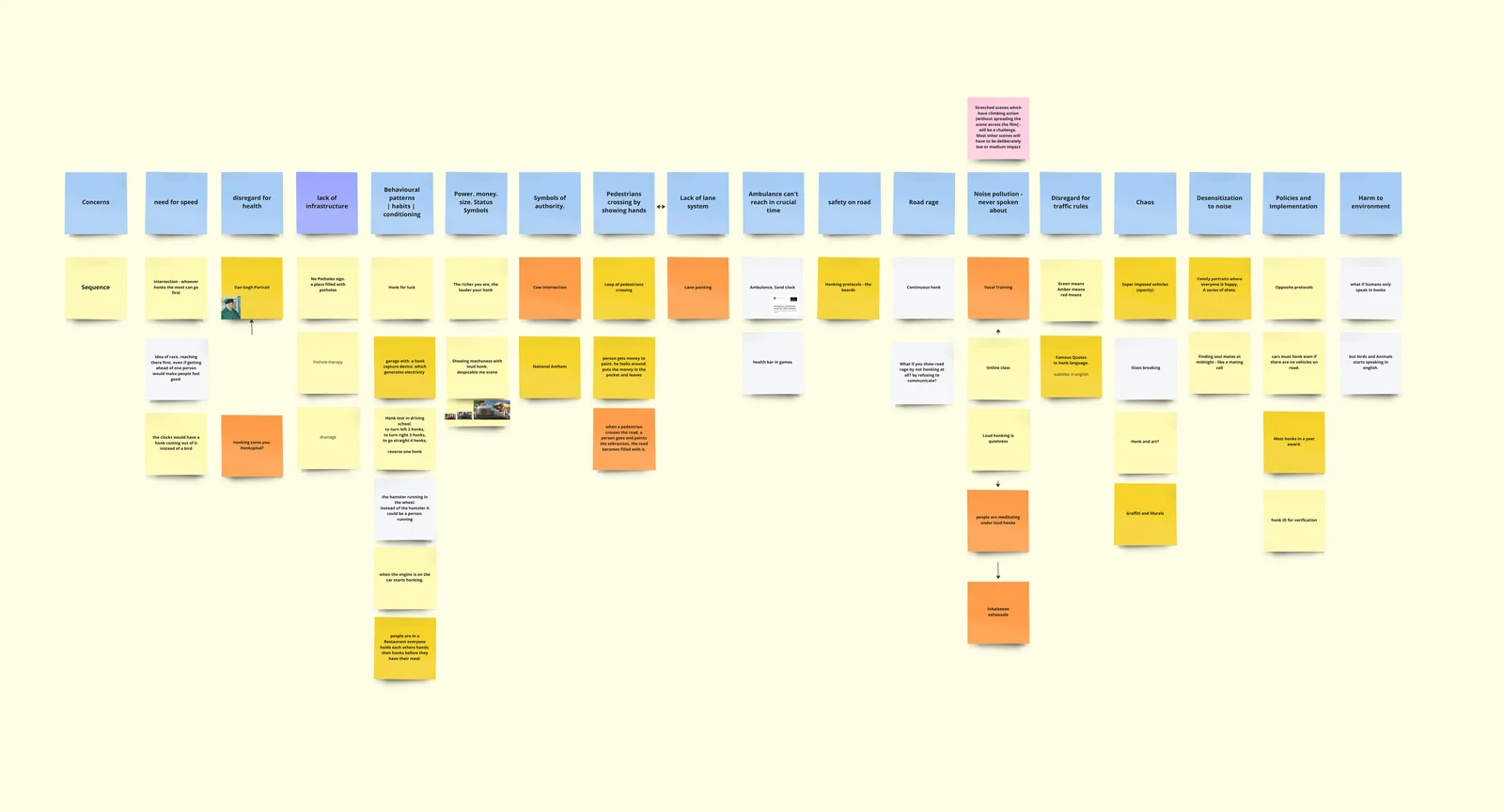
The Sonotaur’s Lair originated as a graduation inquiry into urban soundscapes at the National Institute of Design (NID). While initial investigations set out to document noise pollution and vehicular honking in Bengaluru, conventional documentary frameworks proved inadequate to convey the sheer psychological violence and sensory desensitization of everyday traffic.
By turning the documentary gaze inside out through absurdist fiction, the film constructs an alternate society where honking is no longer a symptom of impatience, but an institutionalized civic duty—a state-mandated dialect spoken through steering wheels, horns, and vocal chords.
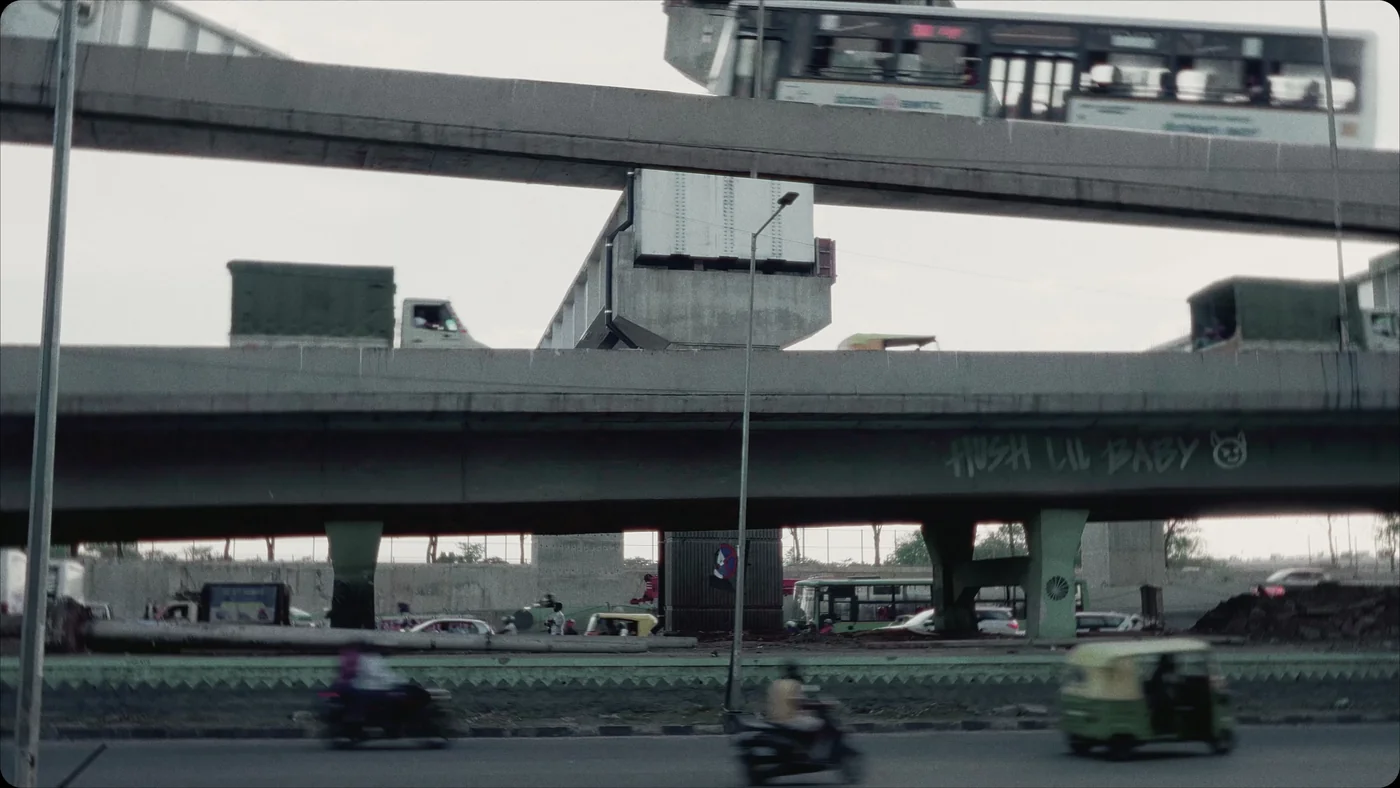
The mythological foundation borrows from the ancient Greek legend of Theseus and the Minotaur. In classical mythology, King Minos imprisons the monstrous Minotaur within Daedalus’s inescapable labyrinth, feeding it Athenian youths. In The Sonotaur’s Lair, the labyrinth is the contemporary Indian metropolis—a sprawling concrete maze of flyovers, gridlocks, barricades, and skywalks.
The beast at the center of the maze is not a flesh-and-blood monster, but the Sonotaur: a predatory incarnation of collective acoustic violence. The citizens are not innocent victims trapped from outside; they are active participants who feed the beast with every press of the horn, terrified of the silence that might force them to confront their own alienation.

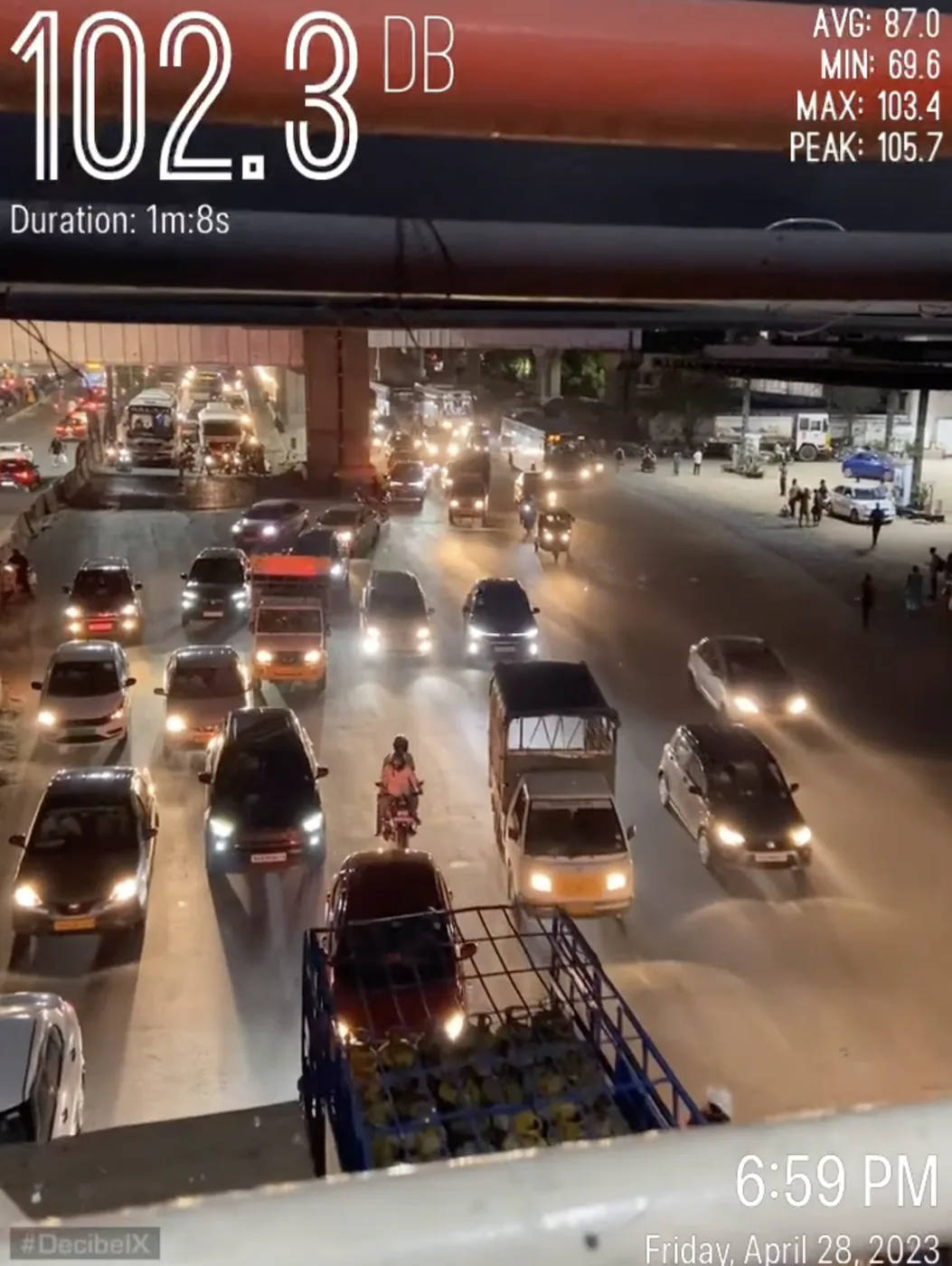
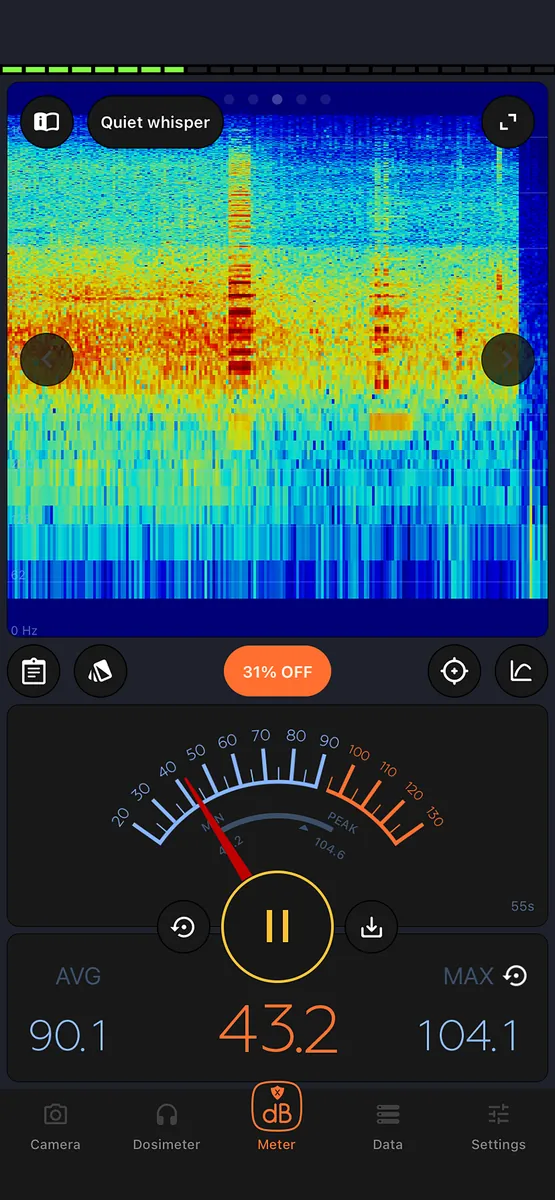
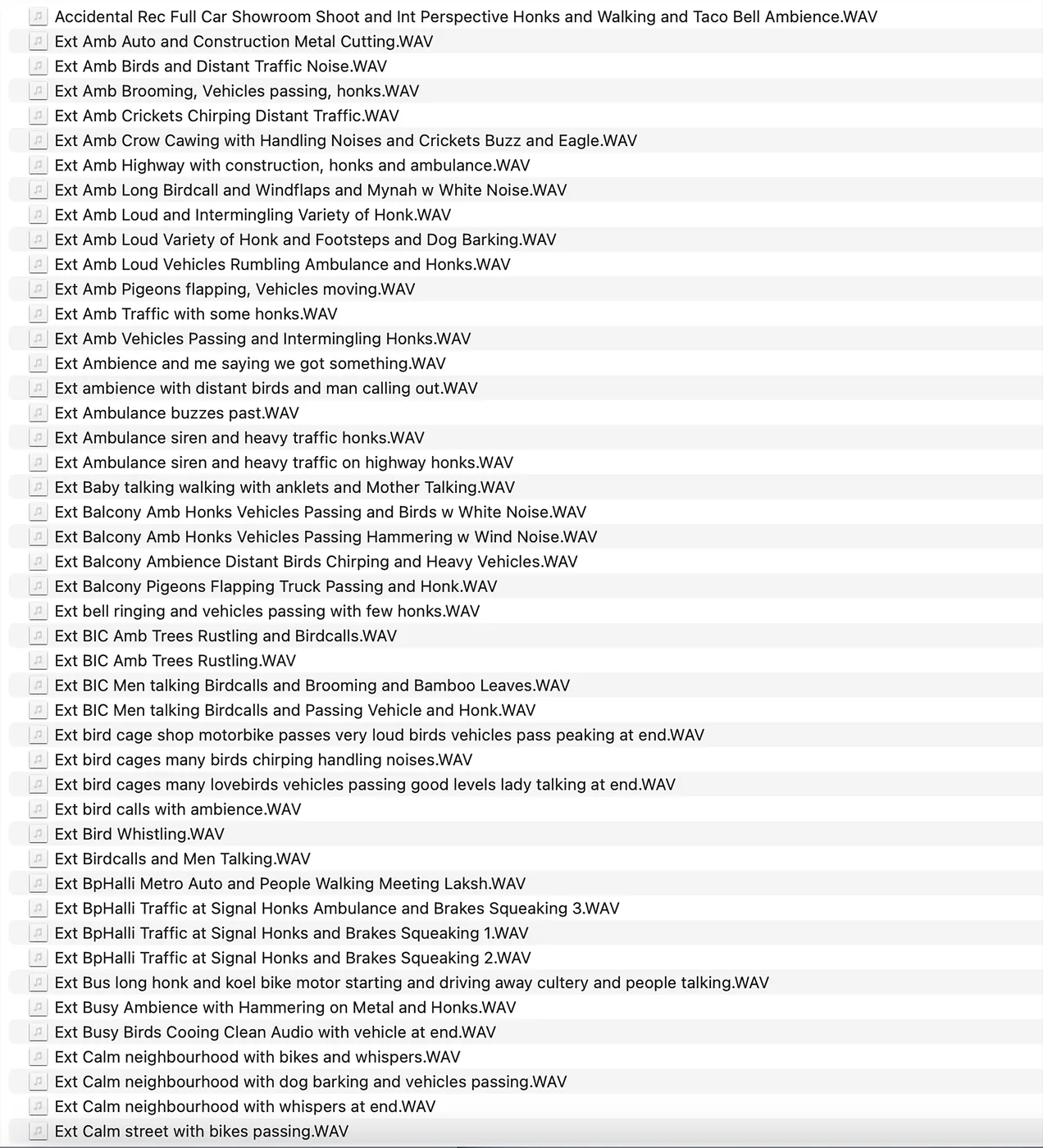
Fieldwork began on the streets of Bengaluru, notorious for some of the highest traffic densities and noise levels in Asia. Armed with the DecibelX acoustic analyzer and field microphones, I conducted exhaustive measurements across pedestrian bridges, intersection bottlenecks, bus depots, and residential fringes.
Acoustic logs consistently clocked ambient exposure between 95 dB and 115 dB near major junctions—levels categorized by audiologists as capable of causing permanent sensorineural hearing damage over sustained exposure. Yet, commuters and street vendors stood unbothered, having developed a physiological numbness.
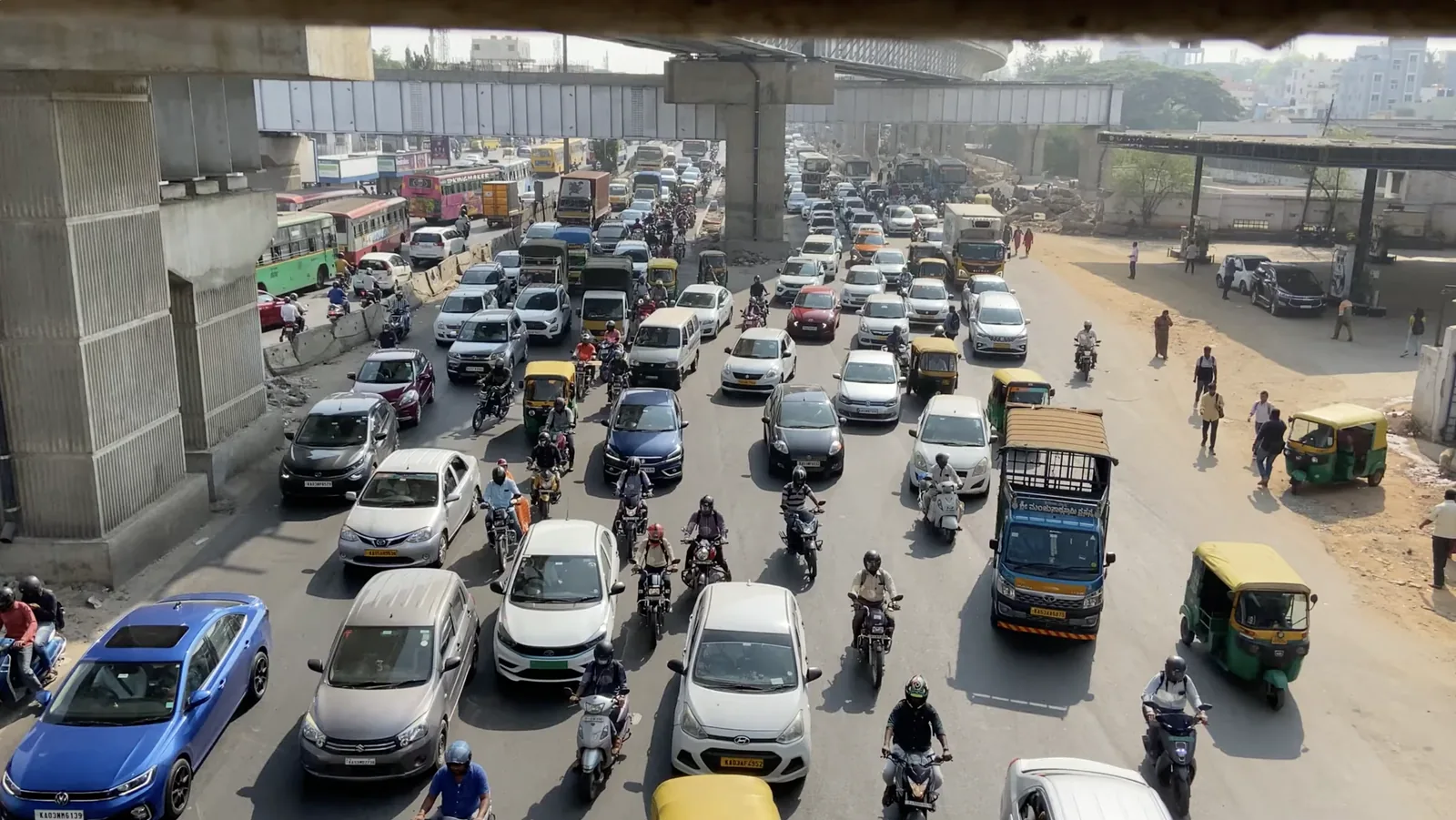
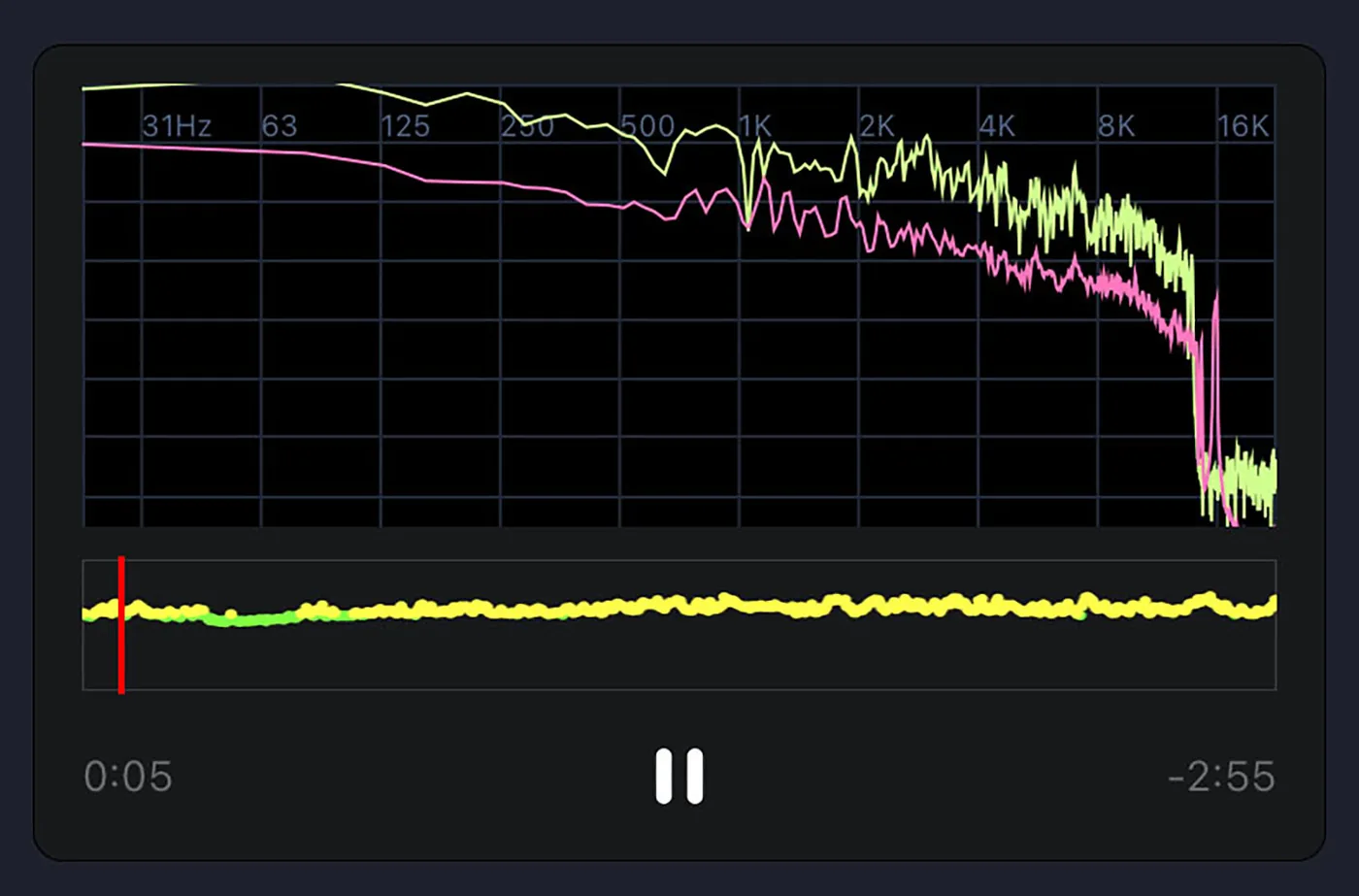
Subsequent pattern-recognition experiments attempted to map whether vehicular honks exhibited structural syntax—differentiating warning, greeting, impatience, or territorial signaling. The conclusion was startling: beyond occasional proximity alerts, the vast majority of honks were completely reflexive, random, and void of information. Honking had ceased to be communication; it had become an involuntary motor tick of the urban nervous system.
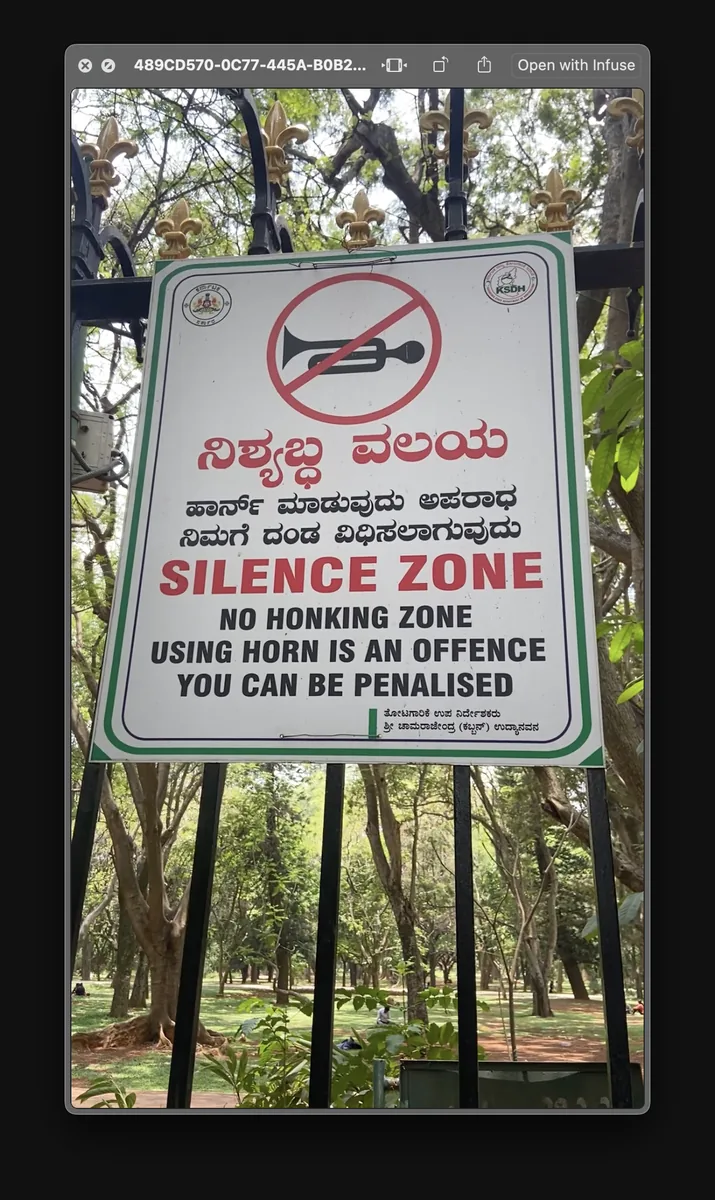
To critique the absurdity of real-world noise, the narrative constructs a bureaucratic hyper-reality. In this parallel society, the government enacts the “Civil Honk Act,” mandating minimum decibel emissions per kilometer traveled. Silence is criminalized as seditious, antisocial behavior.
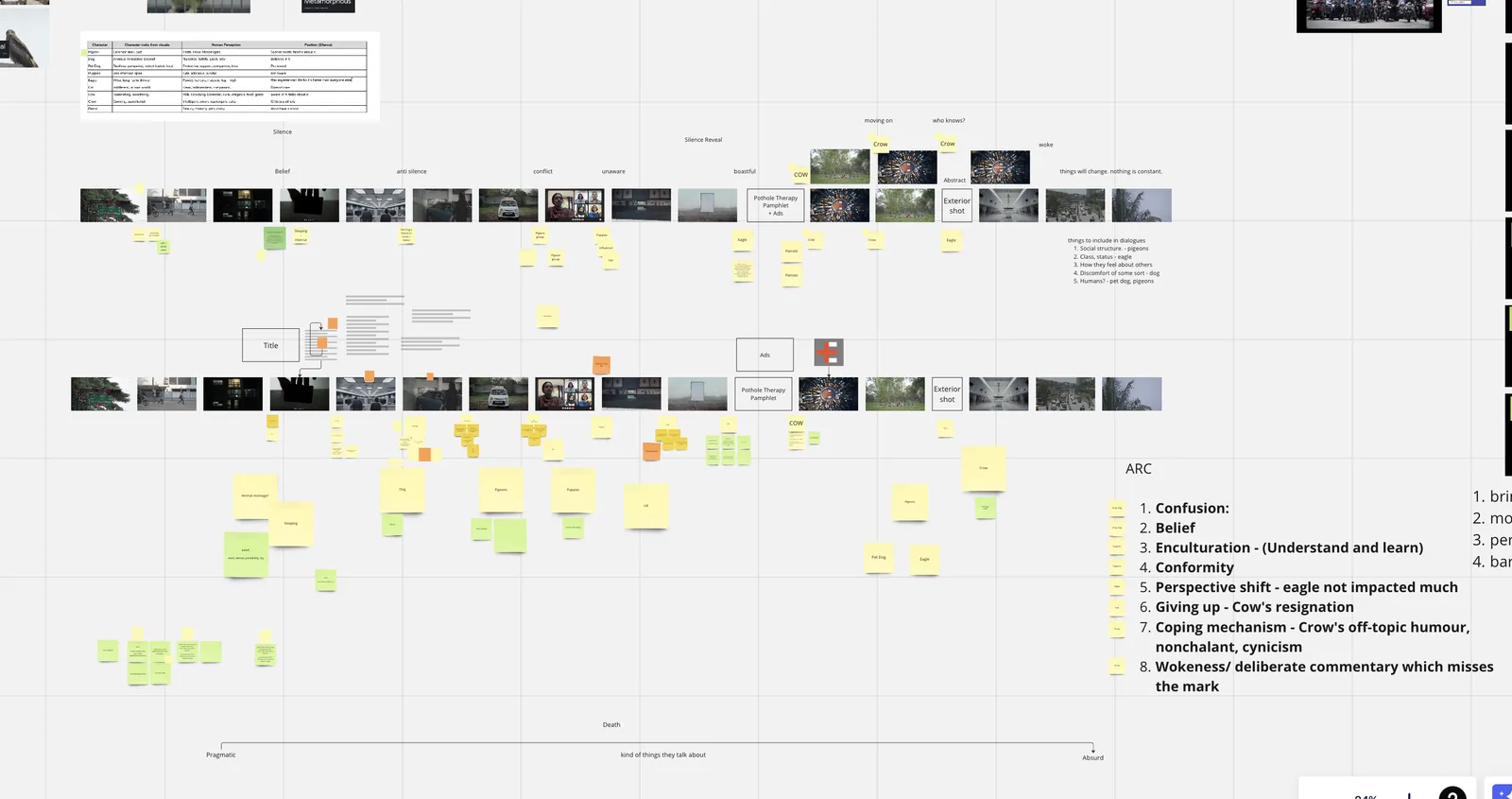
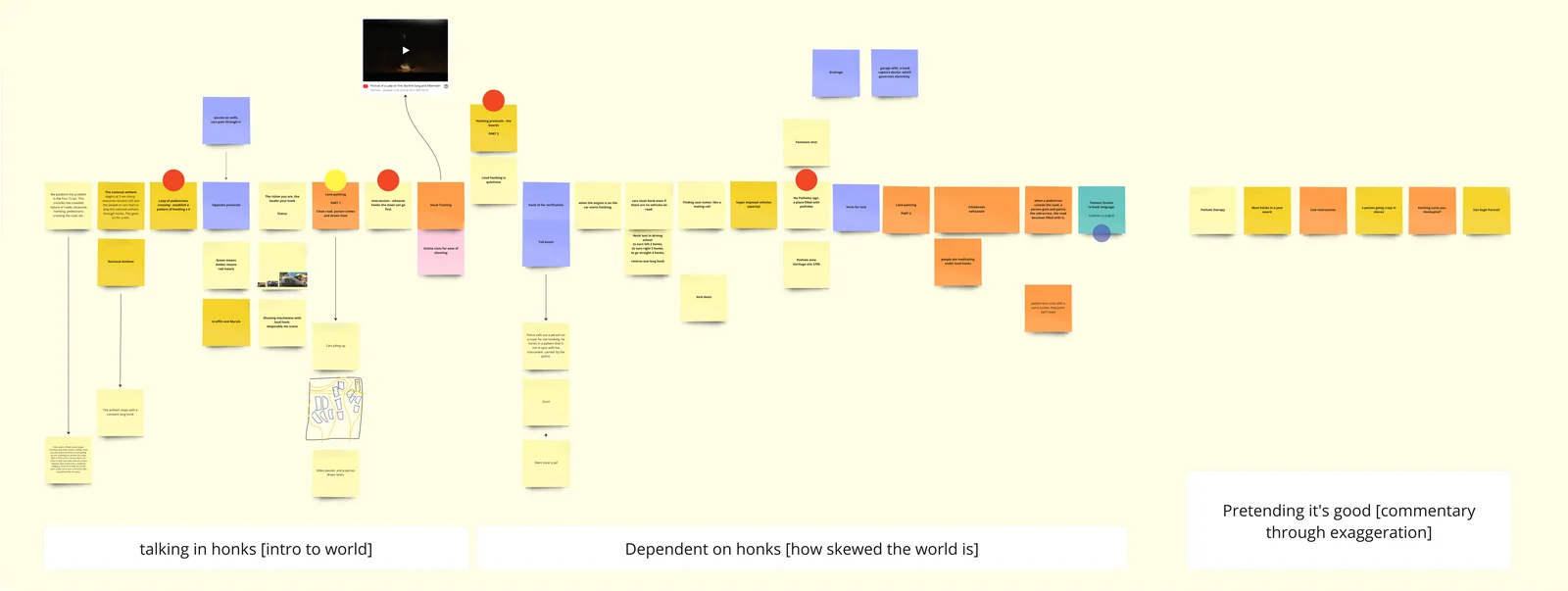
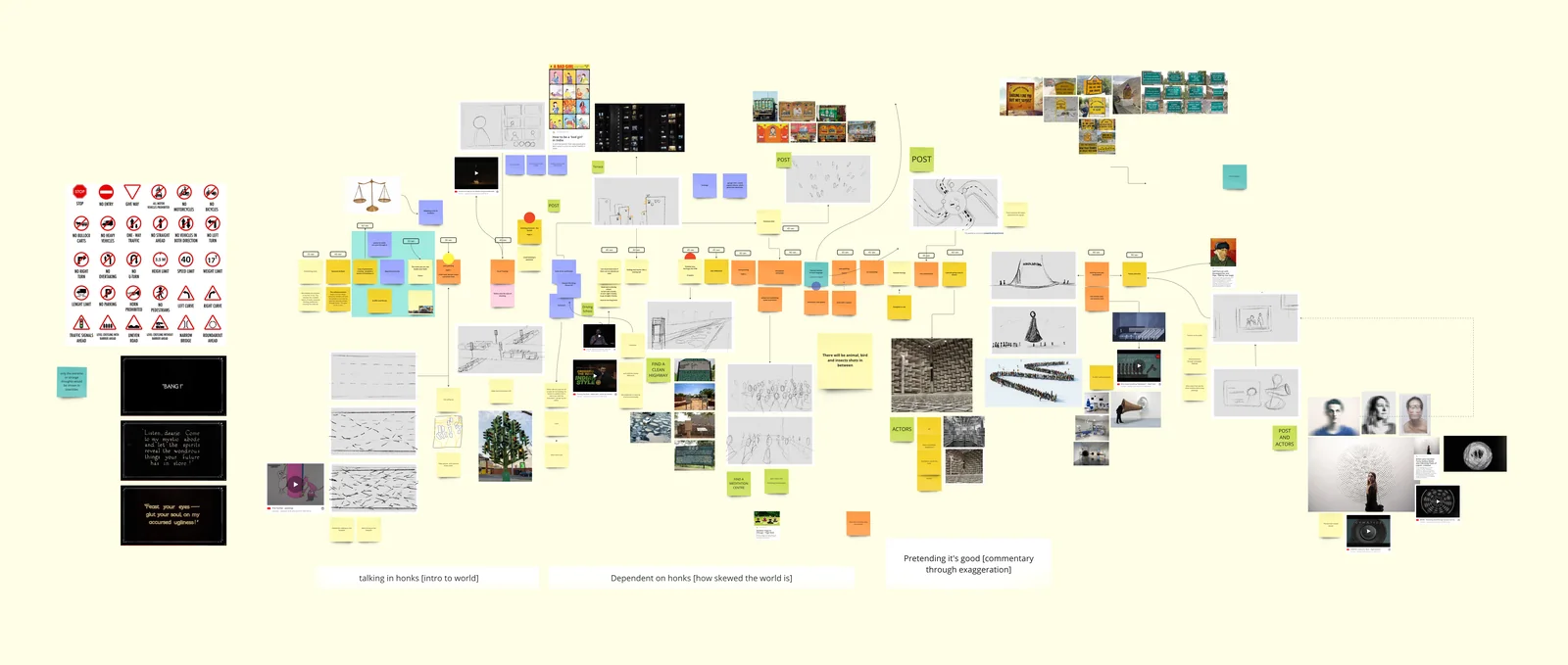
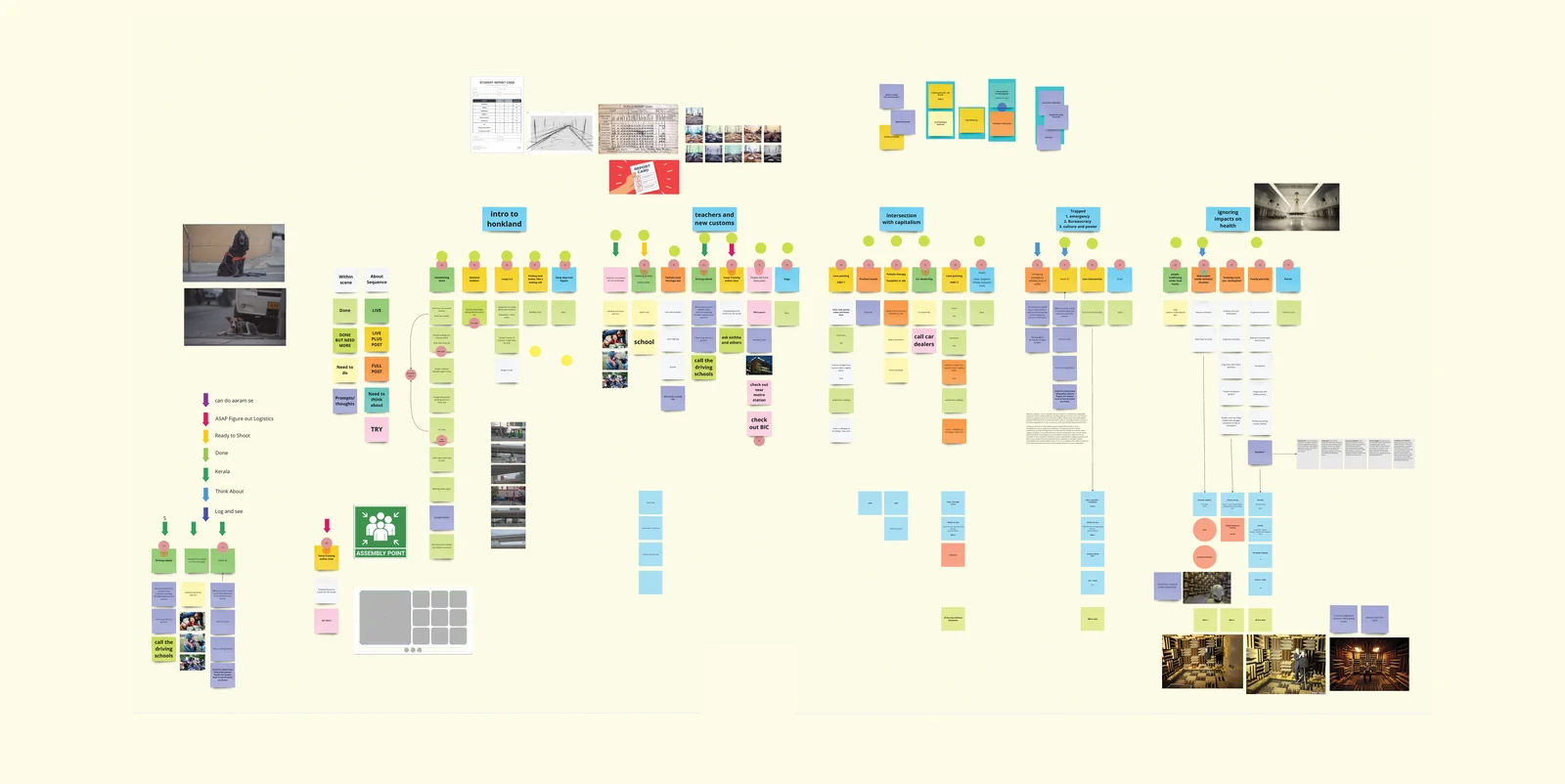
Using Miro, I structured the film’s narrative arc across eight distinct psychological phases:
- Confusion: The uninitiated trying to orient themselves inside the sonic deluge.
- Belief: Animals harboring an irrational faith that silence still exists somewhere.
- Enculturation: Societal conditioning teaching children and pets that noise equals survival.
- Conformity: Public participation in government-mandated acoustic rituals.
- Perspective Shift: High-altitude creatures (the eagle) realizing the city’s noise drowns everything.
- Resignation: The cow’s stoic acceptance of loss and acoustic exhaustion.
- Coping Mechanisms: The street crow’s nonchalant, morbid cynicism.
- Wokeness / False Enlightenment: Performative commentary that ultimately changes nothing.
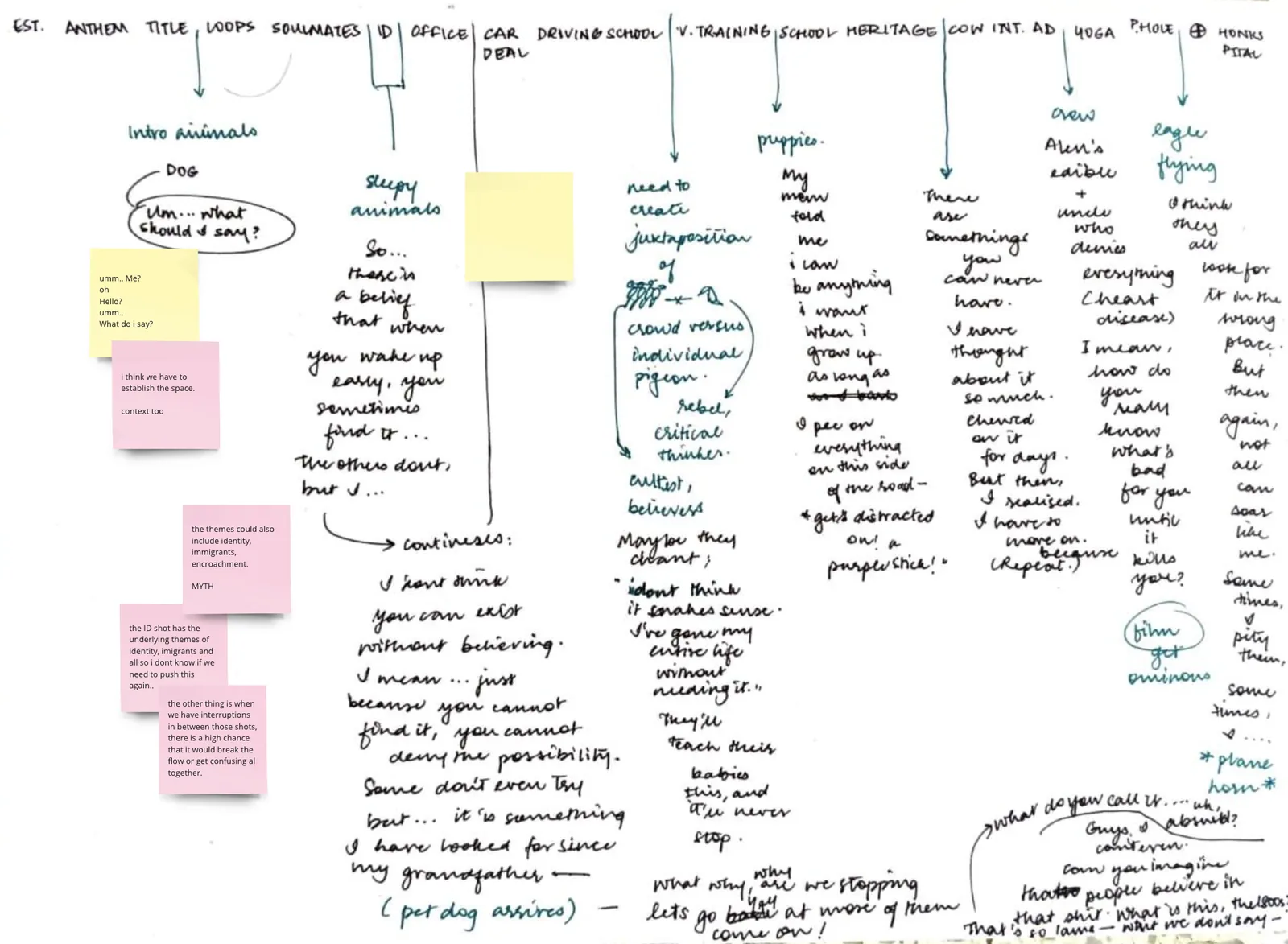
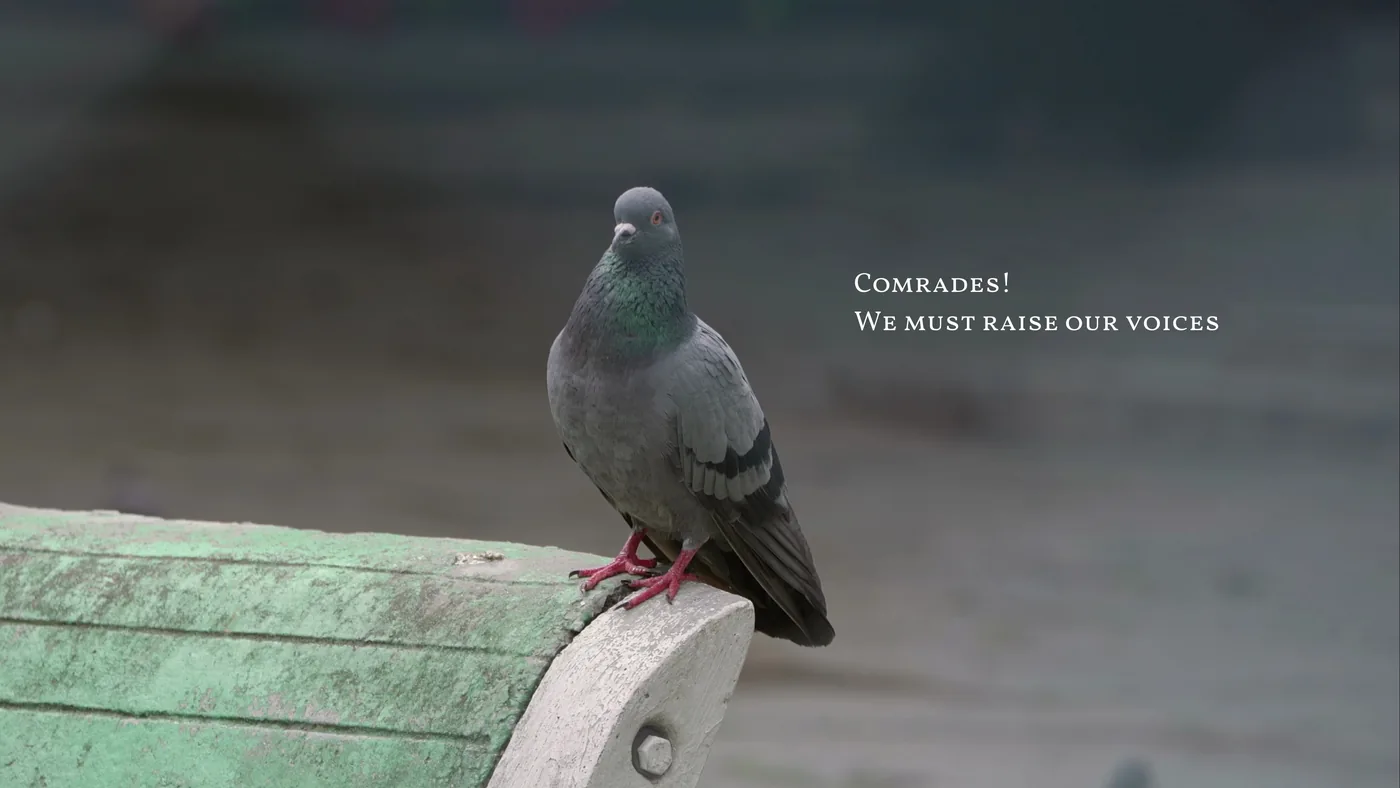
The film’s most striking stylistic gambit is its linguistic inversion. While human characters communicate solely through nonsensical, percussive vocal honks recorded in distinct regional cadences (Malayalam, Hindi, Kannada, Telugu, Tamil, and English), the city’s non-human inhabitants—stray dogs, cats, cows, pigeons, and crows—speak in lucid, existential English prose.
This reversal turns anthropocentric storytelling on its head. The animals, trapped beneath the relentless barrage of urban noise, become the philosophers and truth-tellers of the world:
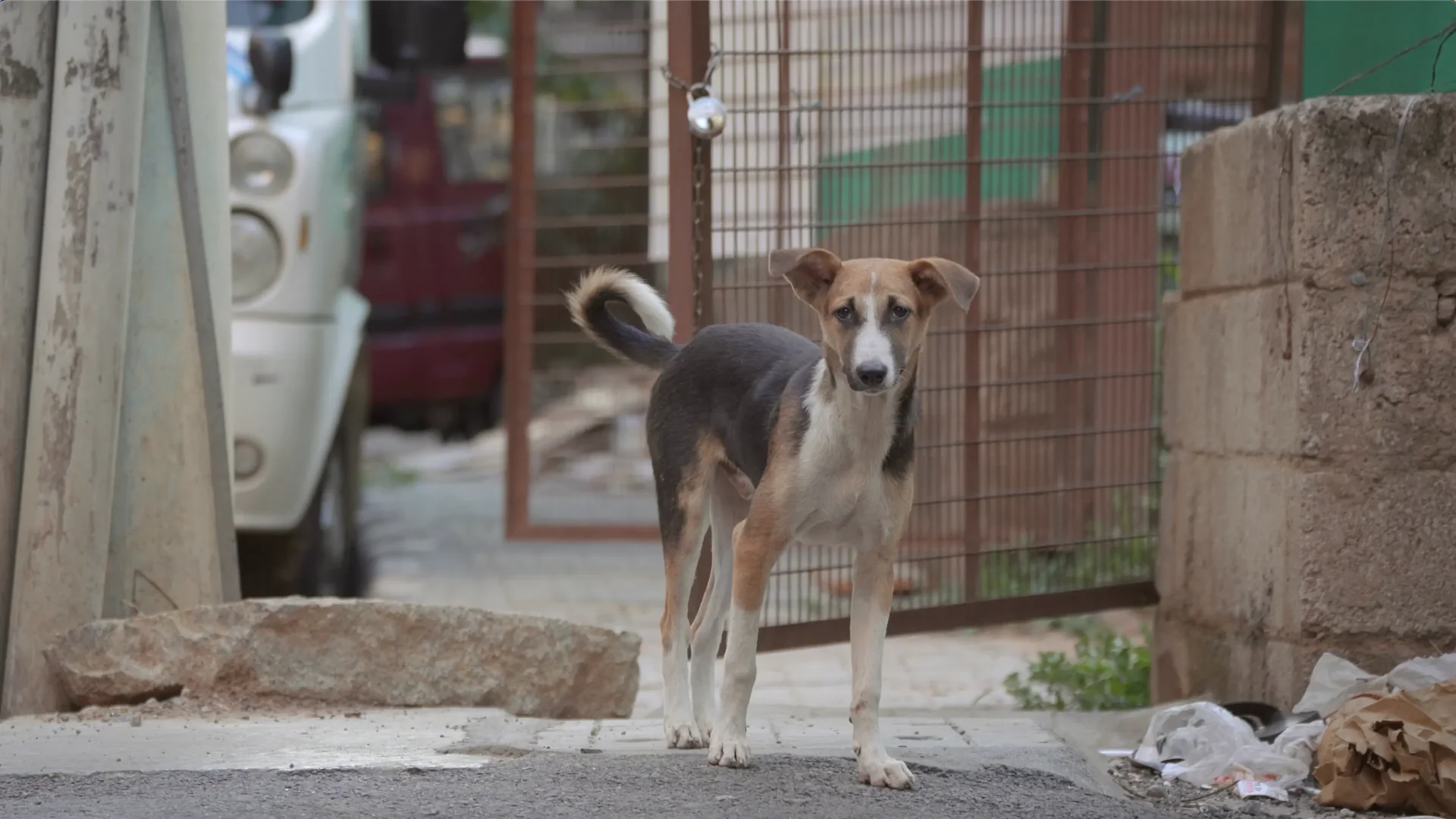
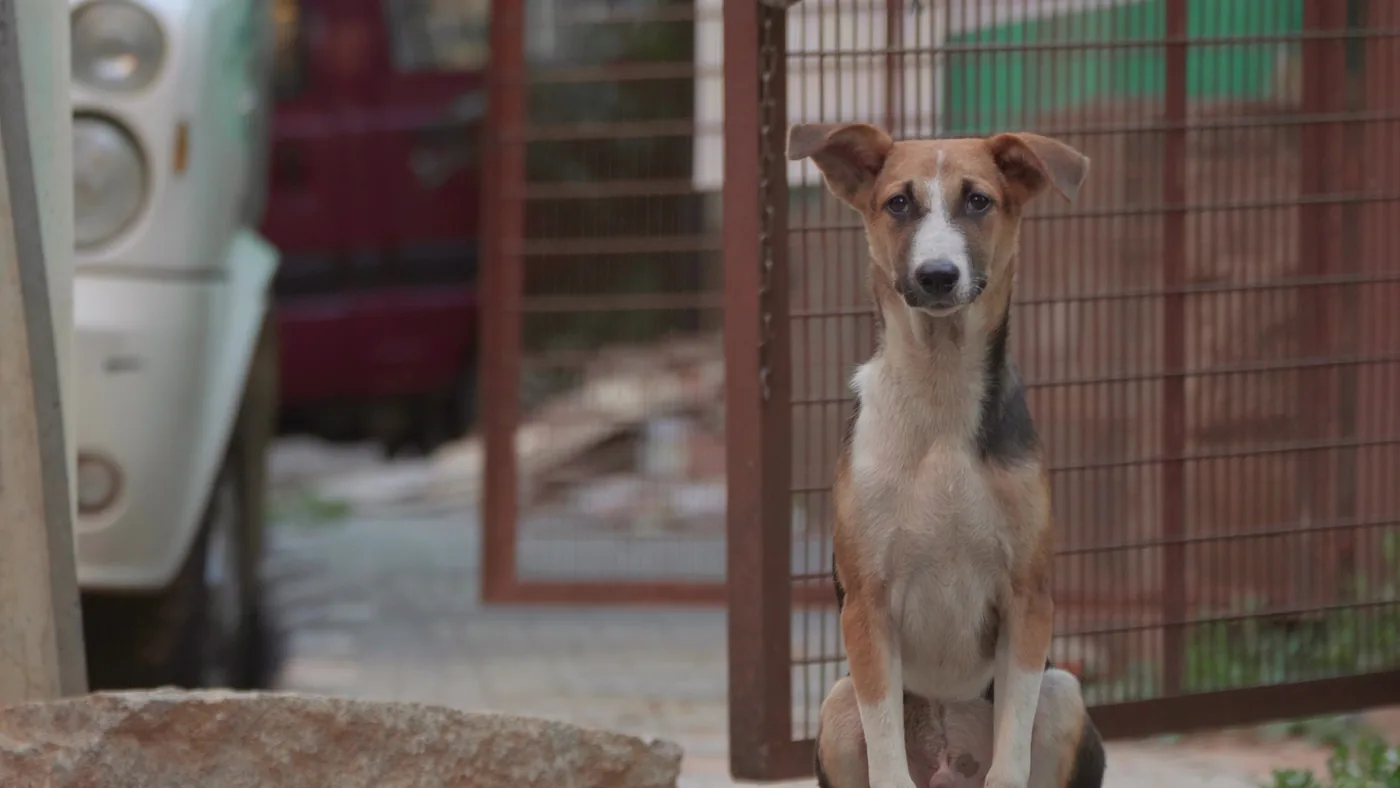
- The Stray Dog (Act 1): Trapped beside a busy traffic divider, anxious and trembling:
“Am I audible?… It exists. I believe that it’s around us. They say one may find it by waking up before the sun rises… personally… I don’t think you can live without believing. Just because you can’t find it, you can’t deny the possibility.”
- The Pigeon Collective vs. Rebel Pigeon: Mob chanting juxtaposed against skepticism:
Pigeon Group: “Comrades! We must raise our voices together to create the silence we desire… All hail silence! — guturgu! WE want SILENCE!”
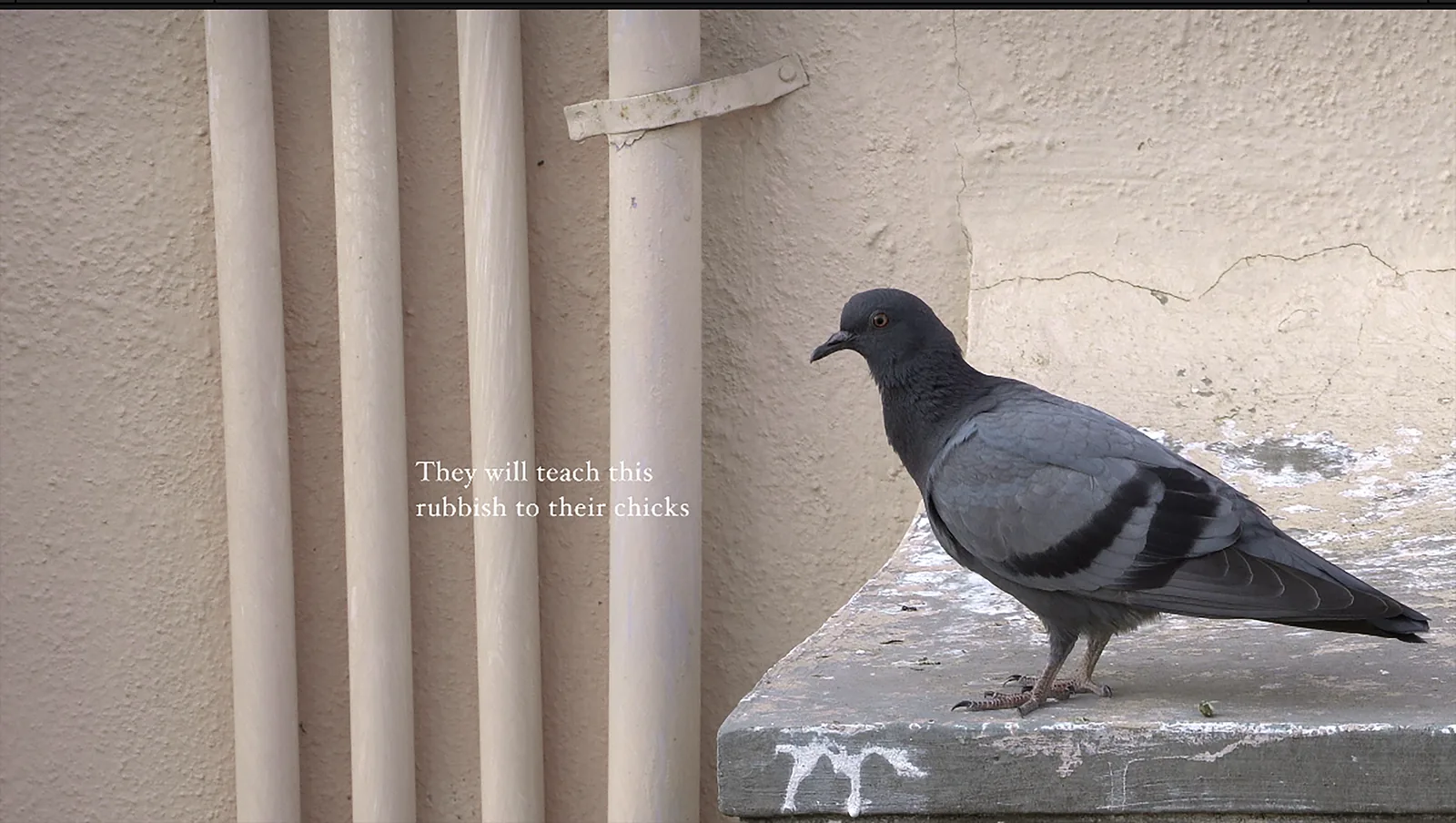
Rebel Pigeon: “They will teach this rubbish to their chicks even before they teach them to fly. Chanting for something they’ll never obtain.” - The Philosophical Puppy: Reflecting on conditioned survival:
“My mom told me, I… I can be anything I want when I grow up as long as I pee on everything on this side of the road.”
- The Eagle: Seeking transcendence only to be shattered by modern aviation:
“They’re all looking for it in the wrong place. When you soar like me, above them all, things are much clearer… Call it a kind of freedom, or my stature… [Aeroplane NOISE]”
- The Street Crow: Unabashed nihilism observing human anxieties:
“I mean, some of them are vegan. ‘OH red meat causes heart disease!!’ I say: who cares? Who can tell what can kill you till it actually does?”

Subtitle Typography as Character Psychology
To visually represent their inner psychological states, subtitle typography was treated with deliberate character-specific font selections:
- Vollkorn SC (Regular): Formally structured small-caps serif for the pigeon collective, visually evoking dogma, scripture, and mob ritualism.
- Jim Nightshade (Regular): Scratchy, erratic brush calligraphy for the cynical street crow, matching its chaotic foraging and contempt for urban hygiene.
Following my prior experimentation with AI on DO YOU SEE (2023), The Sonotaur’s Lair incorporated generative text-to-image models and Photoshop Generative Fill as speculative prototyping tools during pre-production.
Rather than replacing live-action cinematography, generative models acted as an algorithmic sketchpad. They hallucinated impossible spatial scales: endless intersections where asphalt roads twist into labyrinthine coils, and architectural voids swallowed by smog and headlights.
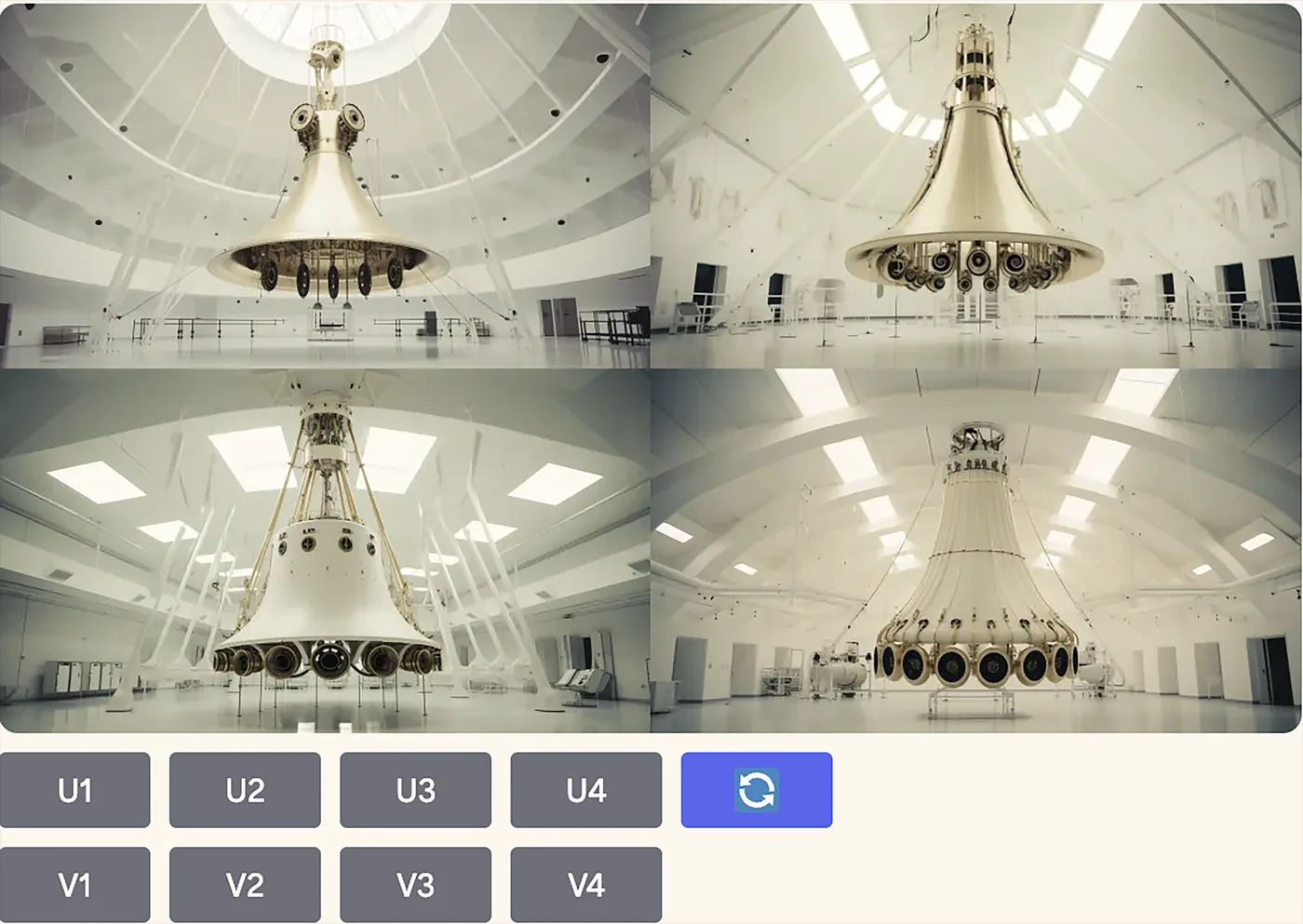
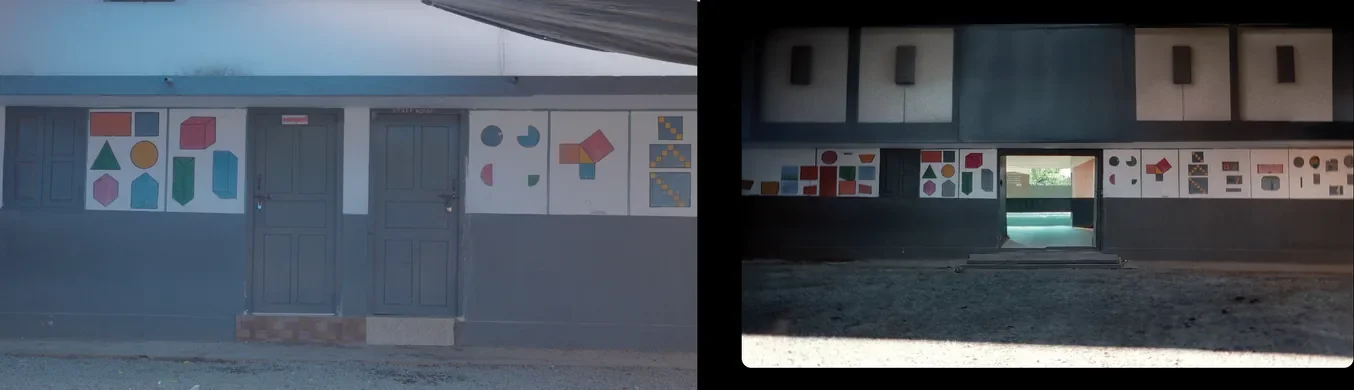
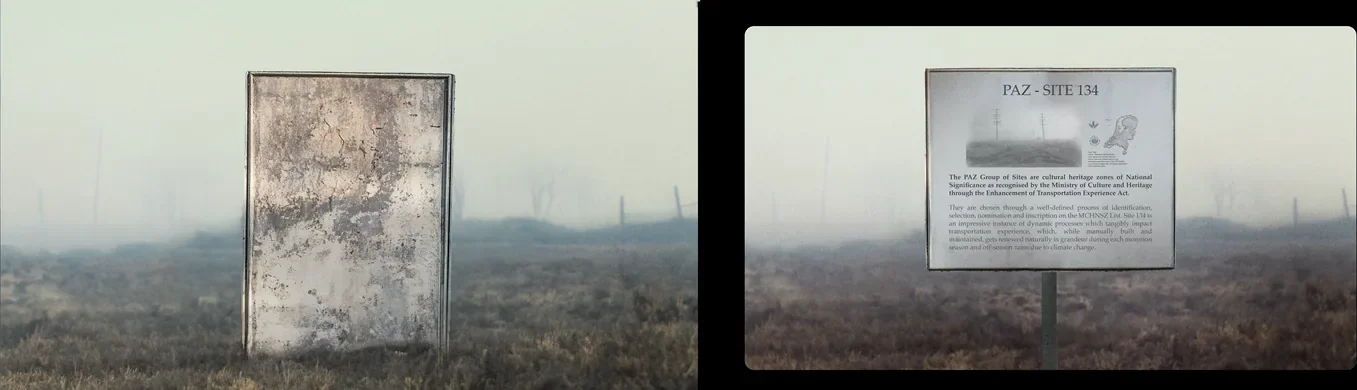
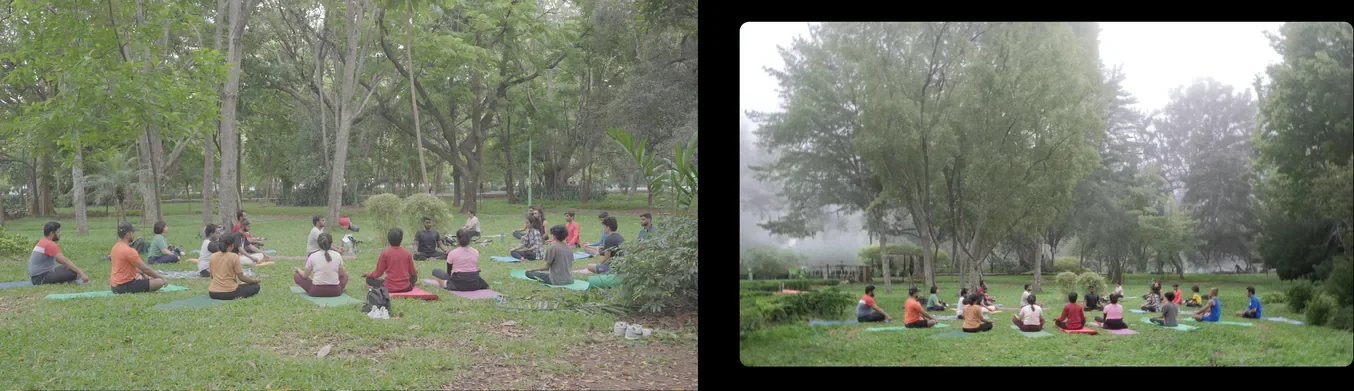
These synthetic explorations provided spatial benchmarks for the visual effects team, inspiring the matte extensions and composite perspective planes that gave the film its oppressive scale.
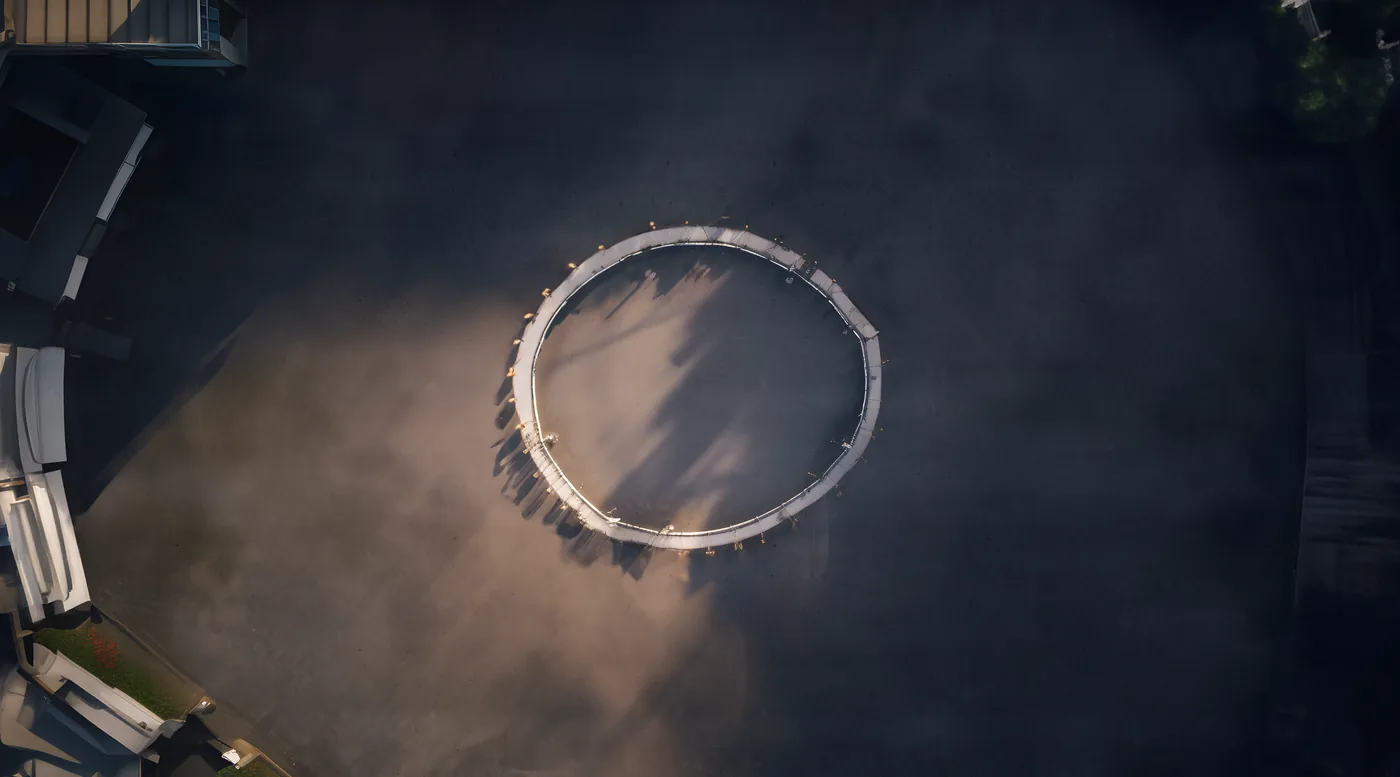
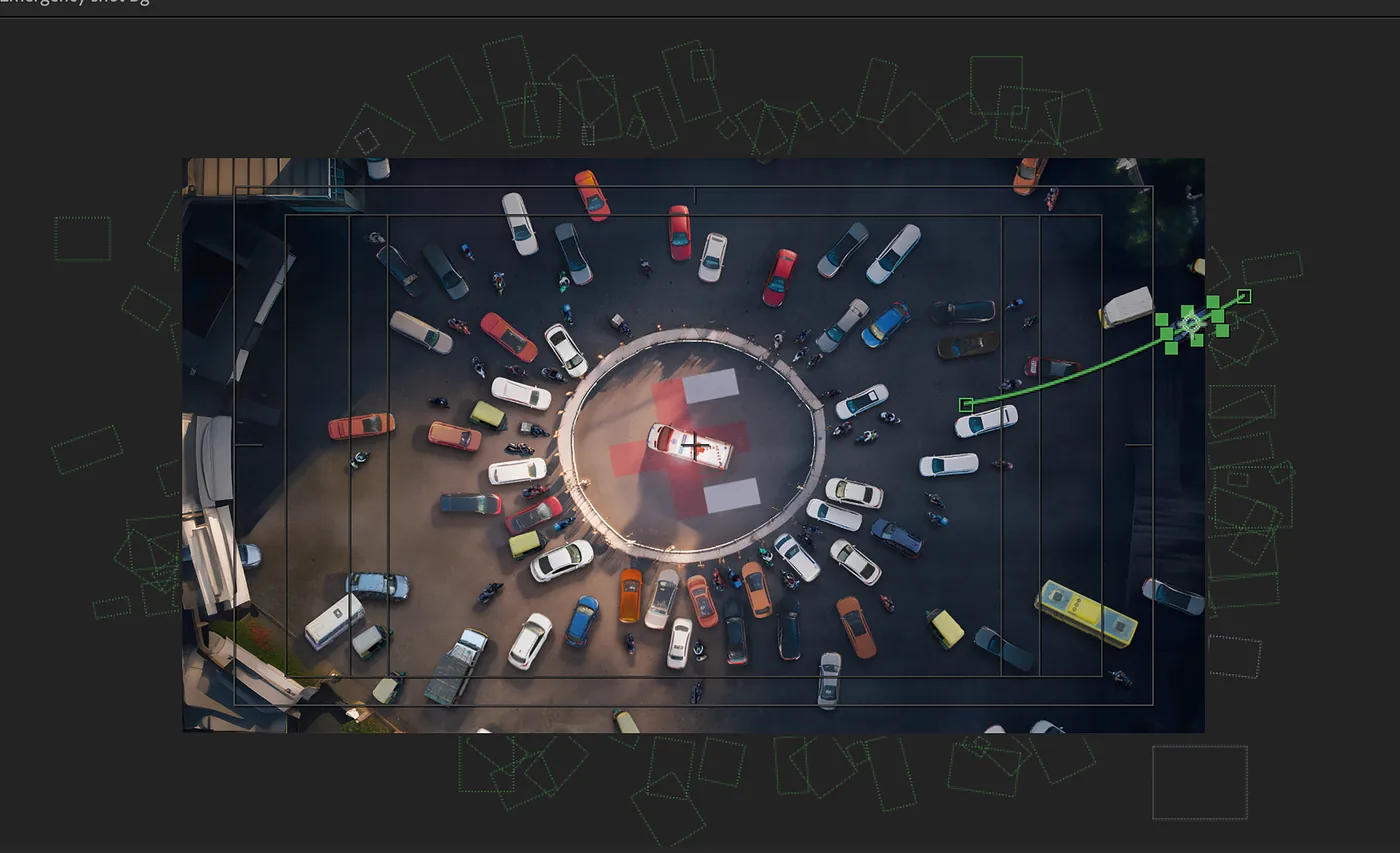
Operating under tight student graduation budgets, visual effects were critical to realize the dystopian scale required by the script. Sequences relied on precise multi-pass compositing, rotoscoping, and 2.5D matte projection:



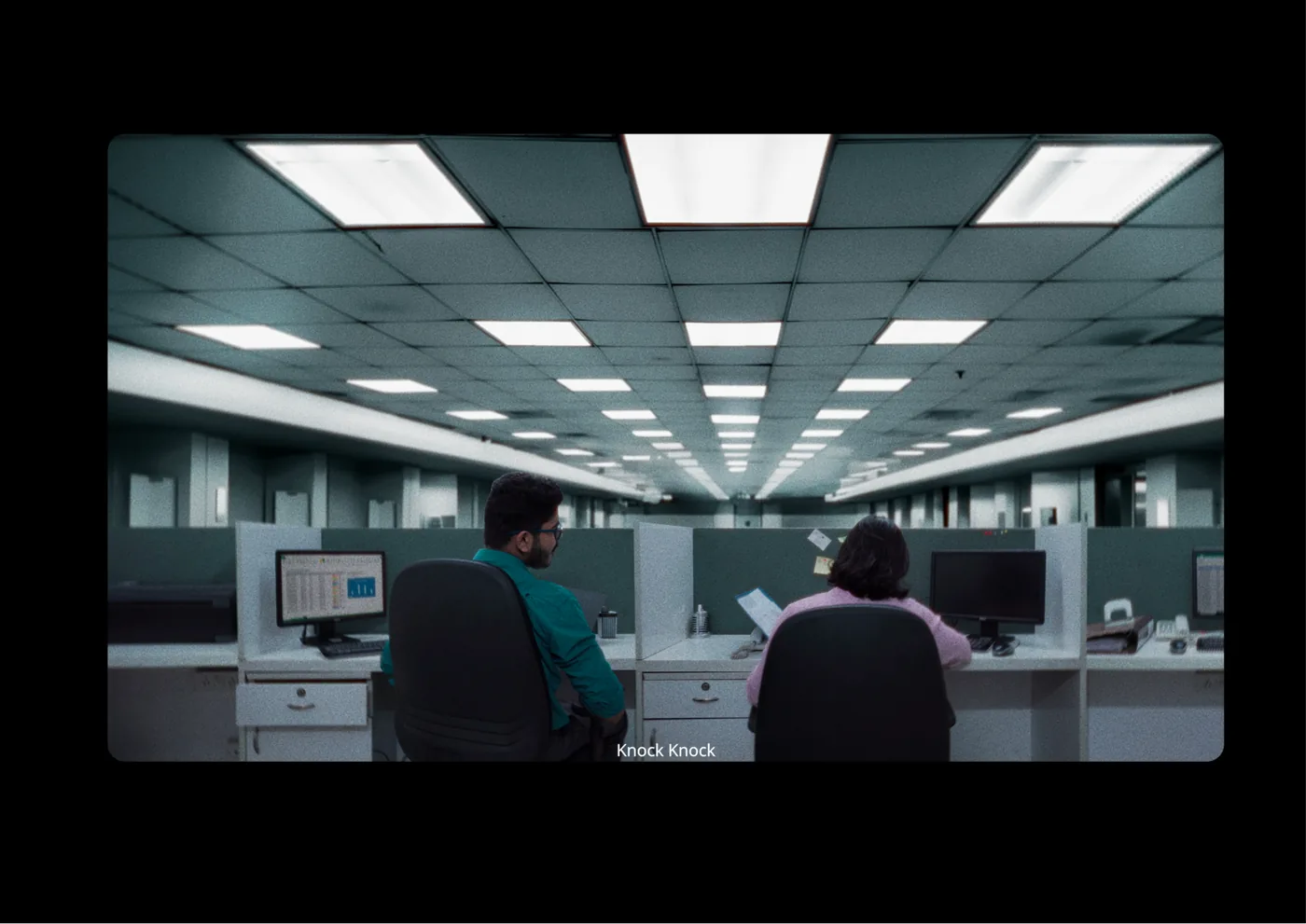
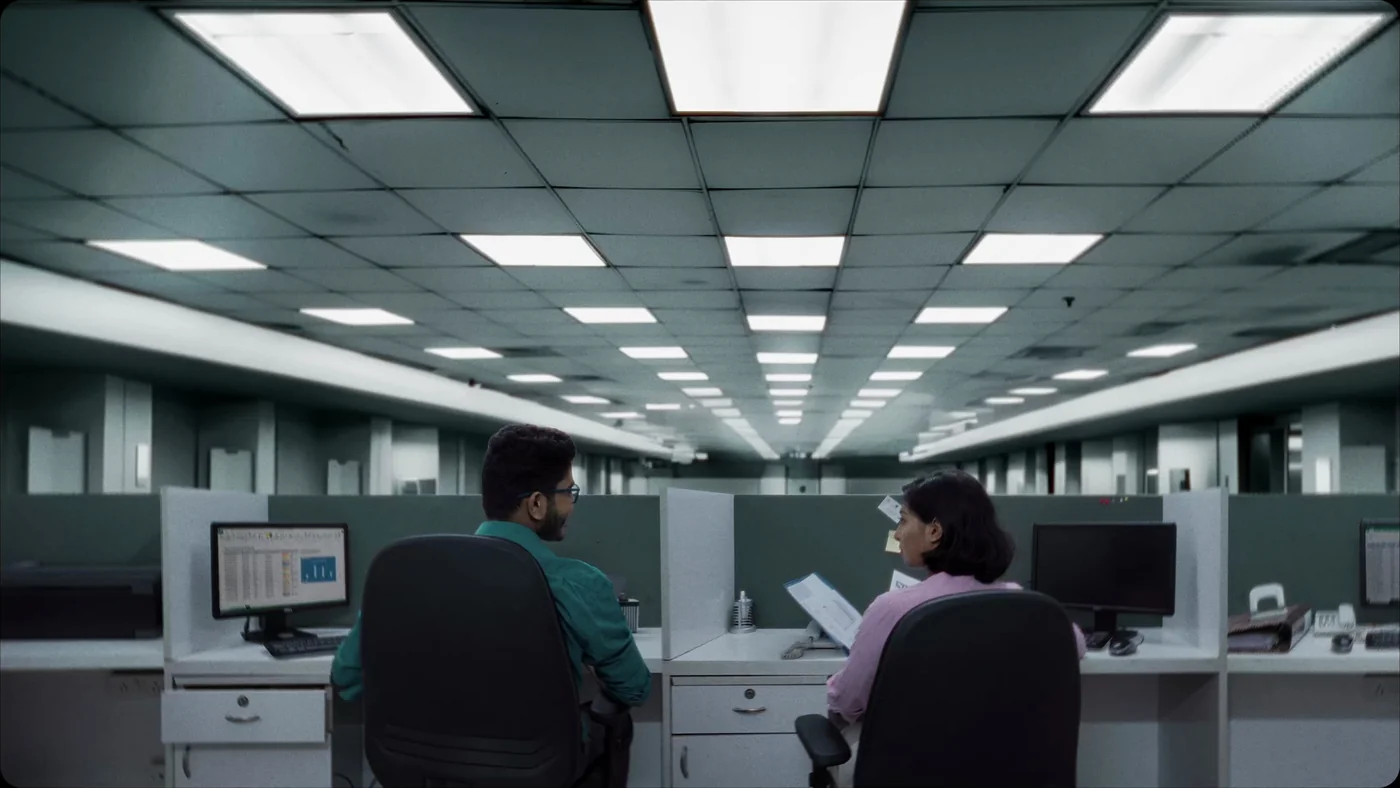
The cubicle sequence was captured in a modest university classroom using four physical desks. Through rotoscoping, clean plating, and 2.5D projection mapping in After Effects, those four desks expanded into an infinite, stifling corporate grid.
Because the film centers on noise pollution, the audio architecture in Logic Pro had to avoid collapsing into unlistenable chaos. Sound was orchestrated across dynamic poles—from raw documentary realism to state-mandated musical propaganda.
The National Honk Anthem
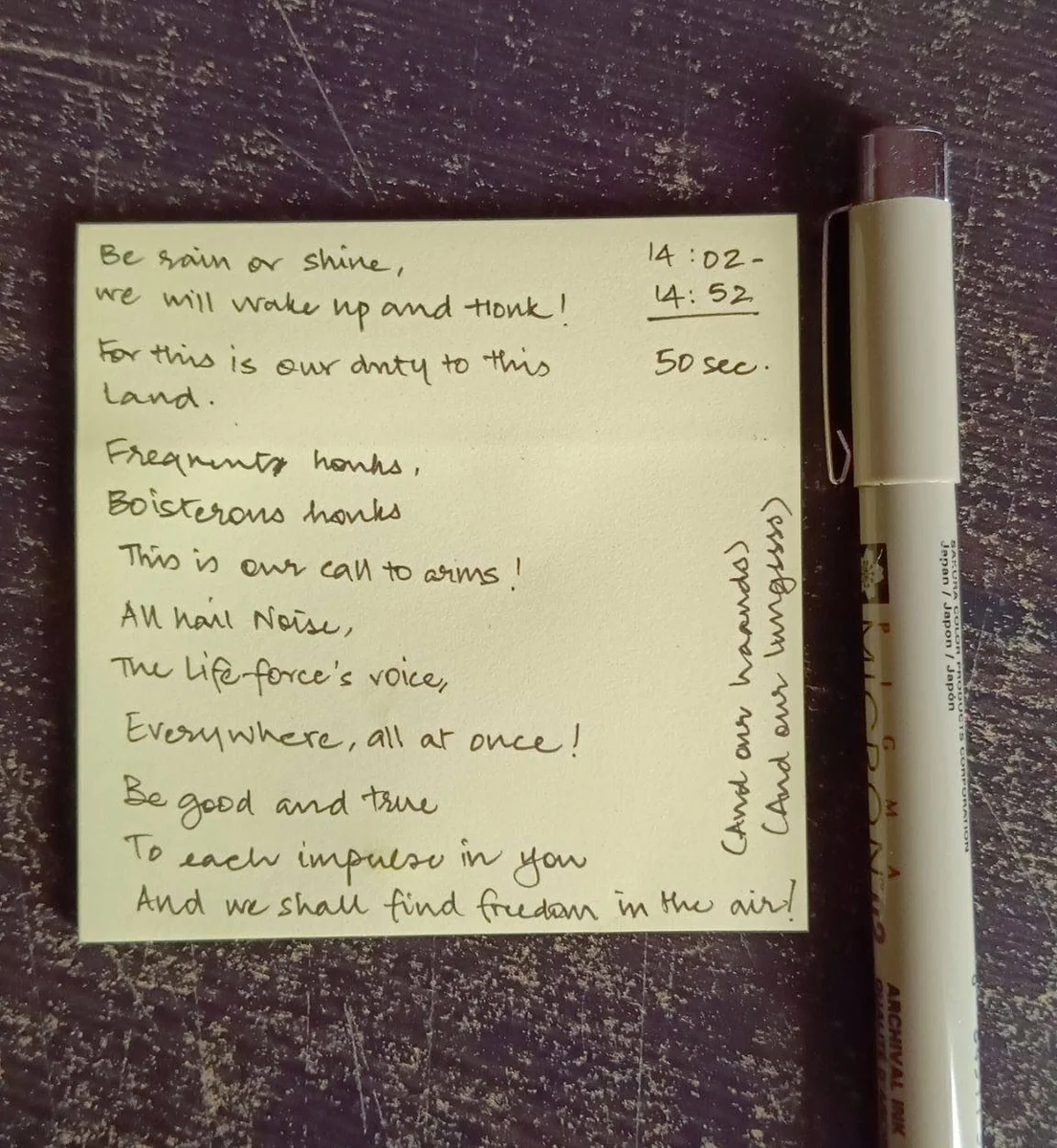
In the world of the film, honking is elevated into a nationalistic civic pledge. The handwritten anthem lyrics from the production notebook reveal the state’s indoctrination:
Be rain or shine,
we will wake up and Honk!
For this is our duty to this land.Frequent honks,
Boisterous honks,
This is our call to arms!All hail Noise,
The Life-force’s voice,
Everywhere, all at once!Be good and true
To each impulse in you
And we shall find freedom in the air!(And our hands)
(And our lungssss)— Film Timestamp: 14:02 – 14:52 (50 sec.)
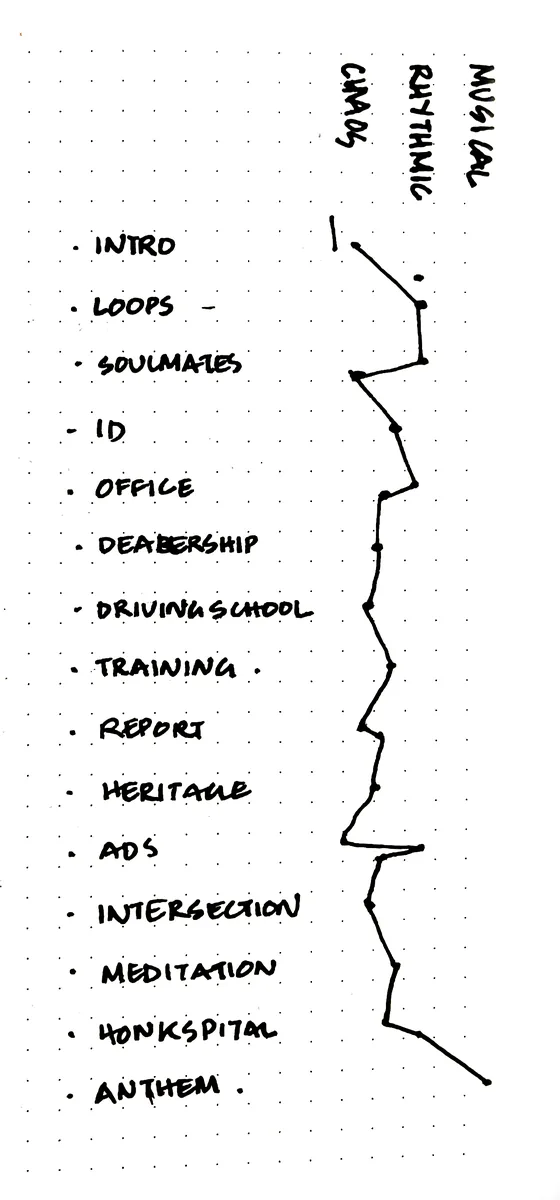
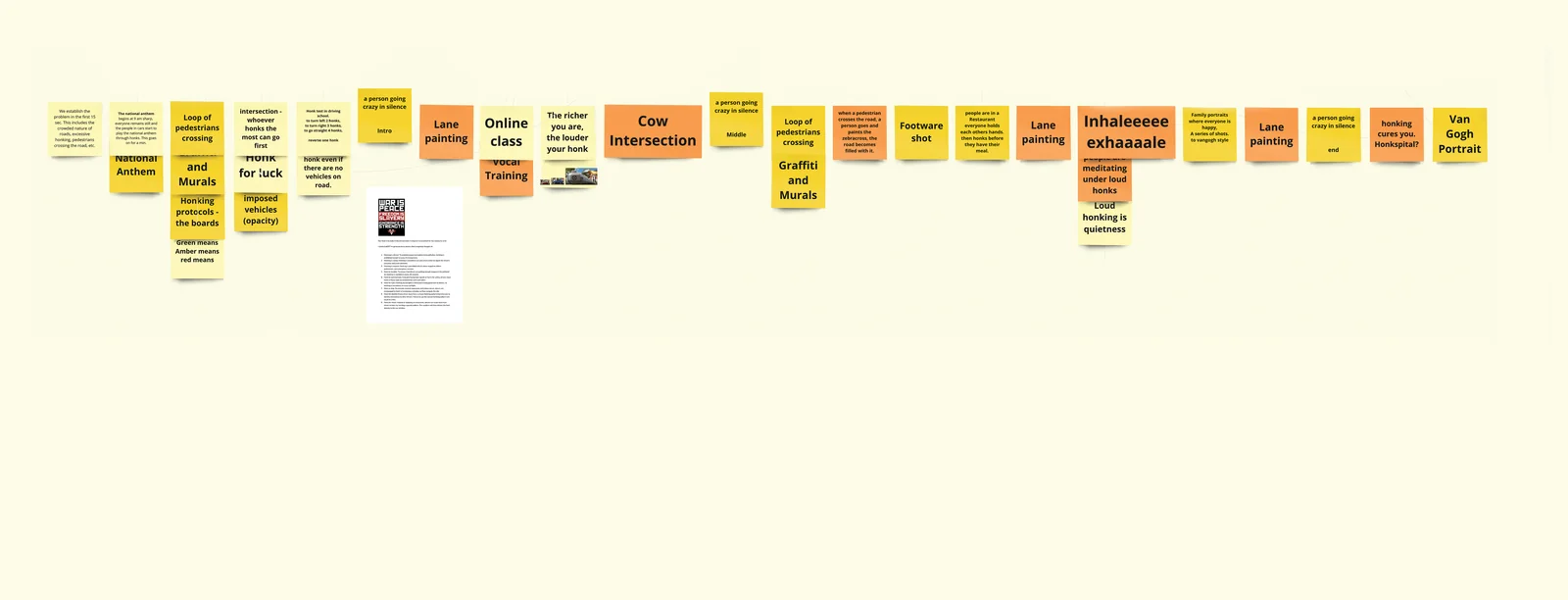
The hand-drawn tension curve maps the structural transition across scenes: starting with raw Chaos in the opening traffic loops, steadily organizing into Rhythmic synchronicity during the office and driving school sequences, and finally climaxing into full Musical fervor during the Anthem.
The film’s title underwent an extensive conceptual evolution throughout the graduation semester:
- H*nk — initial, raw impulse focus on vehicular sound.
- Civil Honk Act — shifting toward bureaucratic satire and institutional policy.
- Acoustic Affairs — exploring governance and diplomatic absurdity.
- The Sonotaur’s Lair — the definitive title uniting myth, psychological entrapment, and sonic brutality.
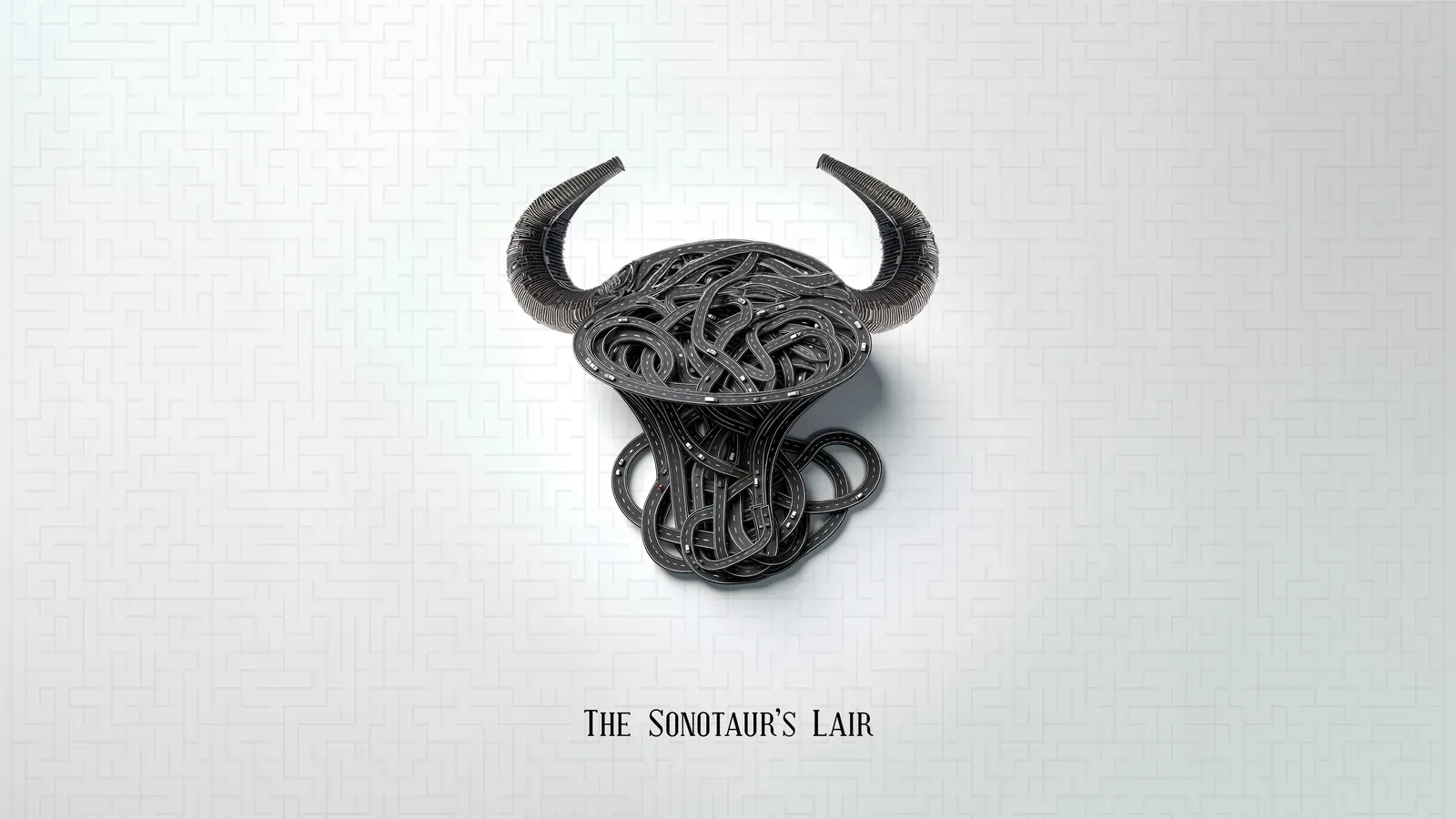
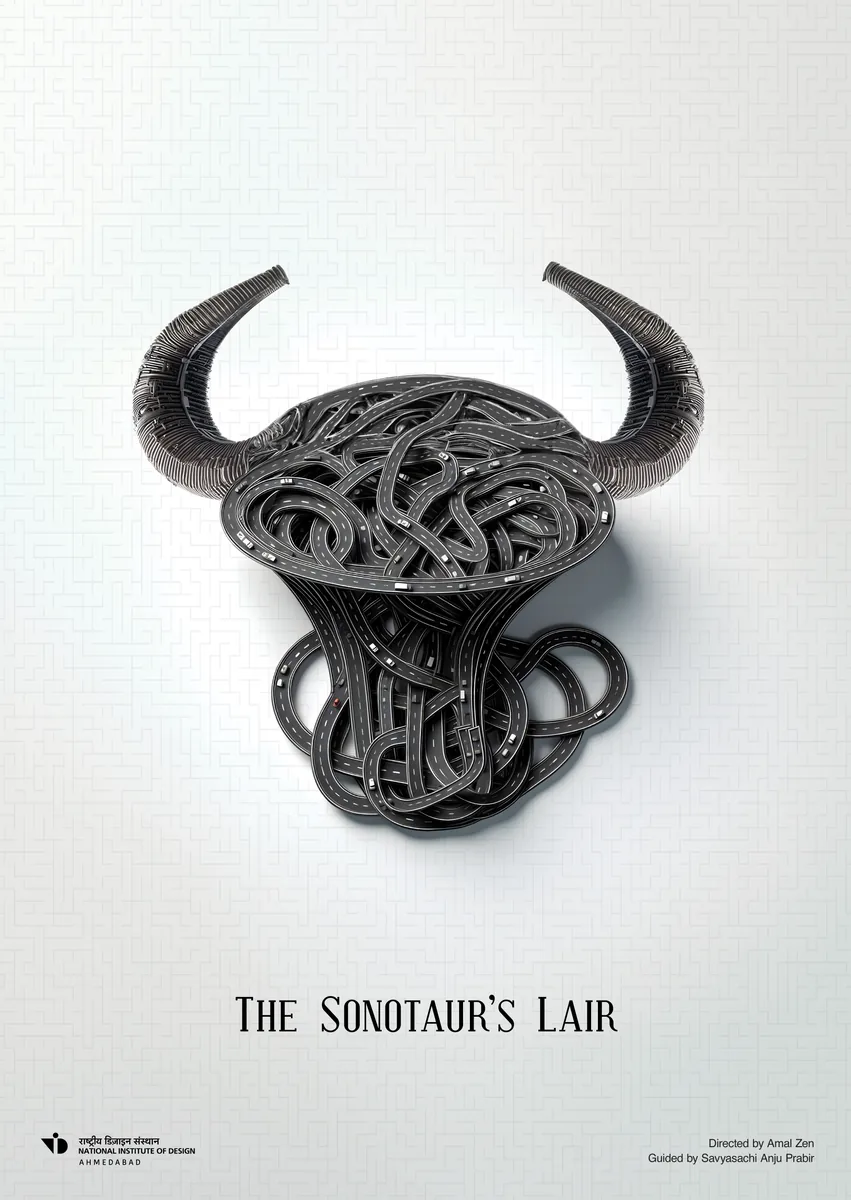
The official poster synthesizes the myth of the Minotaur and the urban labyrinth. A massive brass horn spirals into the center of the frame like a dark vortex, pulling cars, buses, pedestrians, and architecture into its mouth.
The Sonotaur’s Lair marked the culmination of my Bachelor of Design (B.Des) degree in Film and Video Communication at the National Institute of Design, guided by faculty mentor Savyasachi Anju Prabir.
Looking back, choosing docufiction was the defining creative breakthrough of the project. A conventional documentary would have simply repeated statistics on decibel levels, hearing loss, and traffic congestion that the public has already learned to ignore. By constructing an absurdist mirror world, the film bypassed cognitive resistance and forced audiences to experience the bizarre insanity of what we have accepted as normal life.
The project solidified my belief in interdisciplinary filmmaking—merging live-action observational documentary, generative AI prototyping, VFX matte painting, and rigorous acoustic composition into a unified narrative voice.
Watch the trailer preview above. For festival screeners, academic thesis inquiries, or high-resolution exhibition copies:
Request Screening Access →
Amal Zen
Savyasachi Anju Prabir
Jayasri Sridhar · Amal Zen · Alendev R Vishnu
Amal Zen · Jayasri Sridhar
Amal Zen
Udaath Sughosh Nigale · Hardhik Kinthada · Saurav Syam · Naomi Kundu · Alendev R Vishnu · Anshul Kumarv · Jayasri Sridhar · Amal Zen
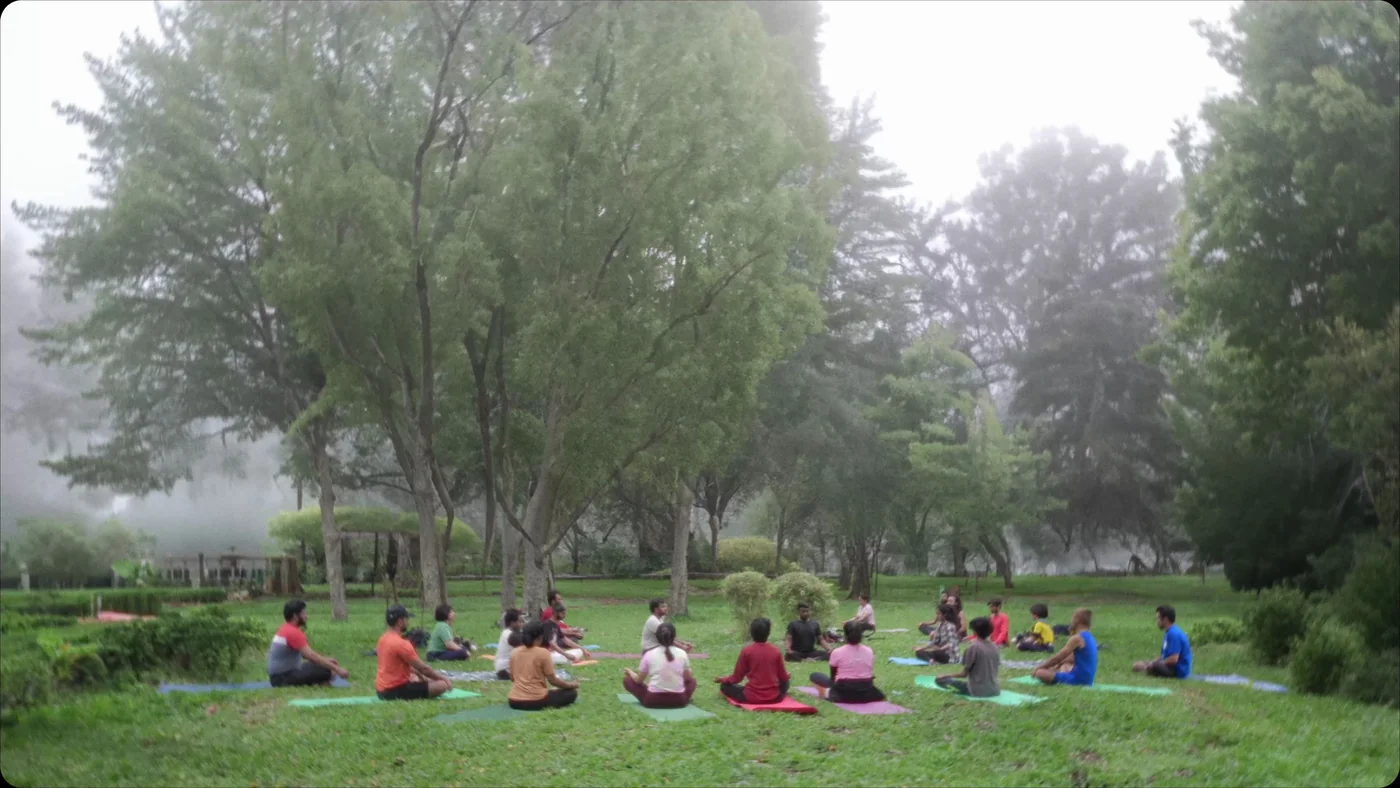
Jayasri Sridhar · Sukanya S · R Sridhar · Srijith · Zubaida N.P · Musthafa N.P · Rasna N.P · Muchukkunnu North UPS (School) - Kerala · Sunday Yoga Meet-up Group - Bangalore
National Institute of Design (NID), Ahmedabad · Batch: B.Des 2019 · Duration: 17 Mins · Year: 2023 · Sponsor: Self-sponsored
"By turning honking into a language, the film constructs a vocabulary that subverts logic—blurring the boundary between what is essential and what is merely conditioned."
— Amal Zen, NID Graduation Thesis